TV series

Mr. Khan’s Review on Hum Kahan Ke Sachay Thay – Episode I (2021)

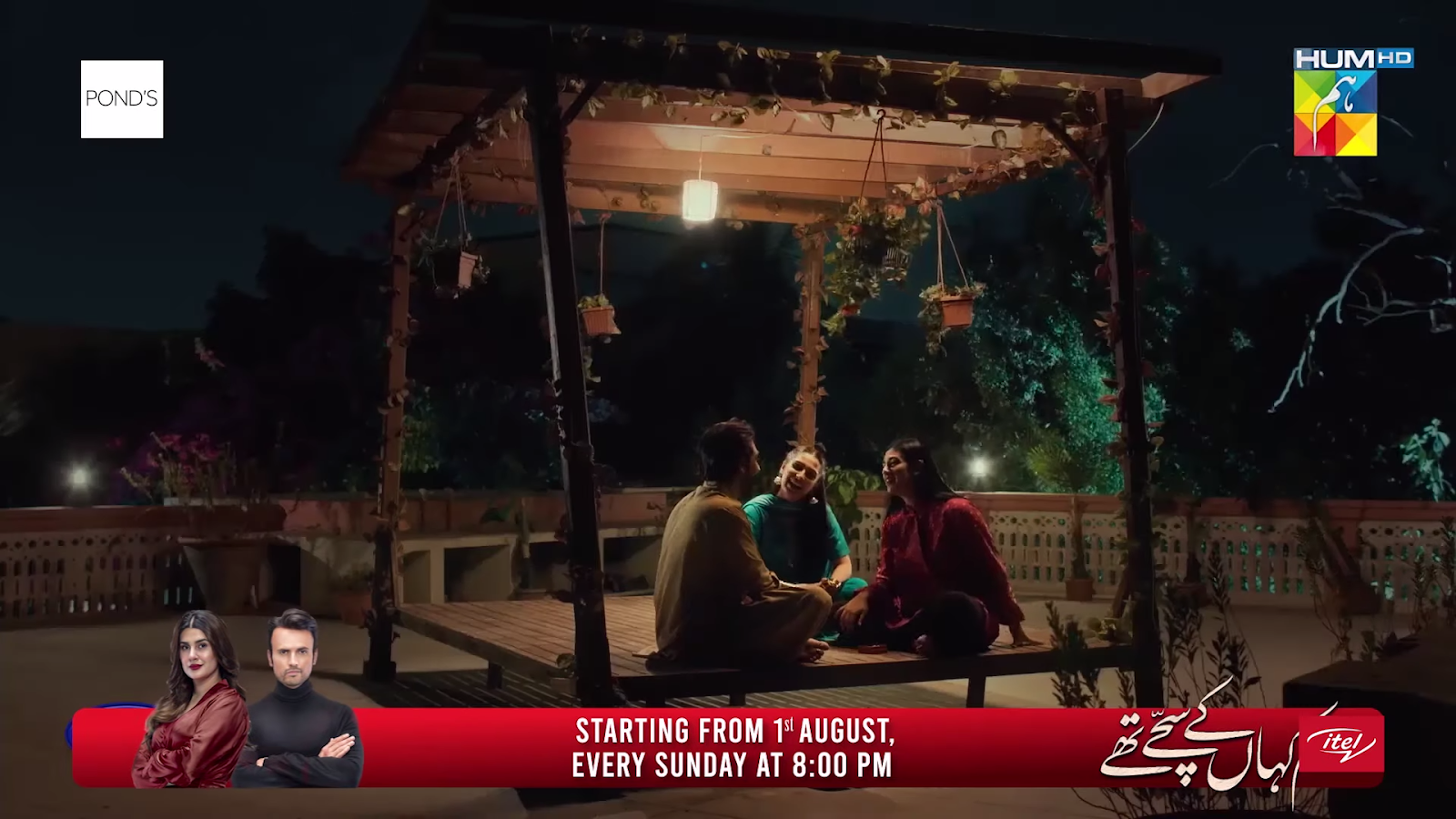
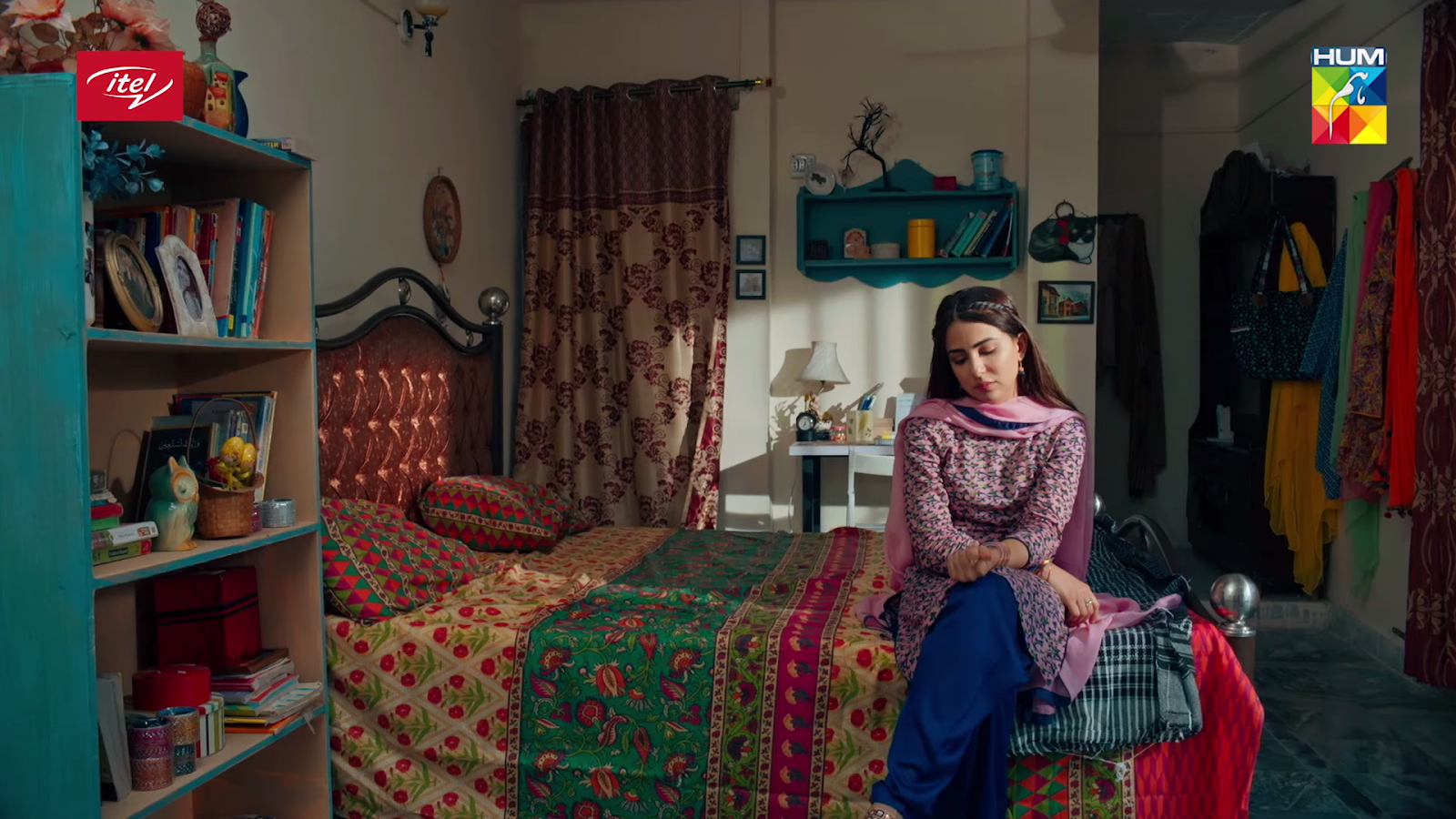
A review on Pakistani drama TV series, Hum Kahan Ke Sachay Thay Episode 1 (2021). The new TV series is written by Umera Ahmed and directed by Farooq Rind. Hum Kahan Ke Sachay Thay is a Momina Duraid Production and currently airs on HUM TV.

+ Crew

  • Directed by Farooq Rind
  • Written by Umer Ahmed
  • Produced by Nina Kashif & Momina Duraid Productions

+ Note

Hum Kahan Ke Sachay Thay marks 5 years since Mahira Khan appeared in a TV drama and as was the case before, this drama is also an adaptation of a novel by Umera Ahmed where the childhood and personal aspirations play an important part in the main plot of the show. The show deals with dark topics such as drug addiction and its impact on a child’s upbringing. 

The show also focuses once again on a love triangle between three cousins who shared a childhood together; Mehreen, Mashal and Aswad. Hum Kahan Ke Sachay Thay is essentially a case study of internal flaws and unspoken guilts that makes us human and how we learn to cope up in a less than ideal society.

 + Main Cast

  1. Mahira Khan as Mehreen Mansoor
  2. Kubra Khan as Mashal Tahir
  3. Usman Mukhtar as Aswad Ayub
  4. Omair Rana as Mansoor
  5. Zainab Qayyum as Shagufta
  6. Haroon Shahid
  7. Laila Wasti
  8. Huma Nawab as Saliha
  9. Kaif Ghaznavi
  10. Shamim Hilali as Aswad’s Grandmother
  11. Khalid Malik

+ Plot

Hum Kahan Ke Sachay Thay is a story of three cousins; Mehreen, Mashal and Aswad. Their lives have coincided with each other since childhood. While Mashal and Aswad grew up in a stable, loving household, Mehreen had to live through the mistakes of her father for being a drug addict and financially unstable. As they grow older, it is obvious that they all share an unbroken bond between each other that will only culminate with certain unforeseeable events.

+ High Points

i – The premiere Episode was fun and understandable throughout its runtime. The plot was well established and the characters were clearly presented to the viewers. Umera Ahmed’s writing and Farooq Rind’s direction works well together in creating this fictional world of remorse, betrayal and in quest for true love.

ii – Most dramas on television are successful mainly due to its loveable cast of characters and Hum Kahan Ke Sachay Thay is no exception. The clash of personalities between Mehreen and Mashal could prove to be the crux of the show. Even supporting characters of the grandmother and the drug addict father presented a colorful and diverse range of people found in the world of Umera Ahmed.

iii – The strongest asset of Umera Ahmed’s writing has been her dialogue. With vast amounts of experience, Umera is very observant and can easily mimic real spoken dialogue and subtle gestures for her characters. In her world, personality dictates words and not the other way around.

iv – Although we didn’t get to see much of Mahira Khan in this episode, its great to see her back on our television screens. The veteran actors such as Shamim Hilali also perform brilliantly as characters who deeply influence the lives of our main cast. It will be interesting to see how to story of Mehreen/ Mashal and Aswad play out.

v – The OST of the show is melodic, heartbreaking and fits perfectly with the show’s theme. Yashal Shahid’s gorgeous voice accompanied by traditional instruments work exceptionally in bringing the emotional depth of the plot without overstaying its welcome. 

+ Low Points

i –  Although I do praise Umera Ahmed’s writing above, I also feel that she could prove to be a lot more diverse than reworking the same tired formula of a “love triangle”. At this point, this theme on Pak television equals beating a dead horse. But since this was just the first episode, I have high hopes that the drama will lead towards something more original and exciting to watch.

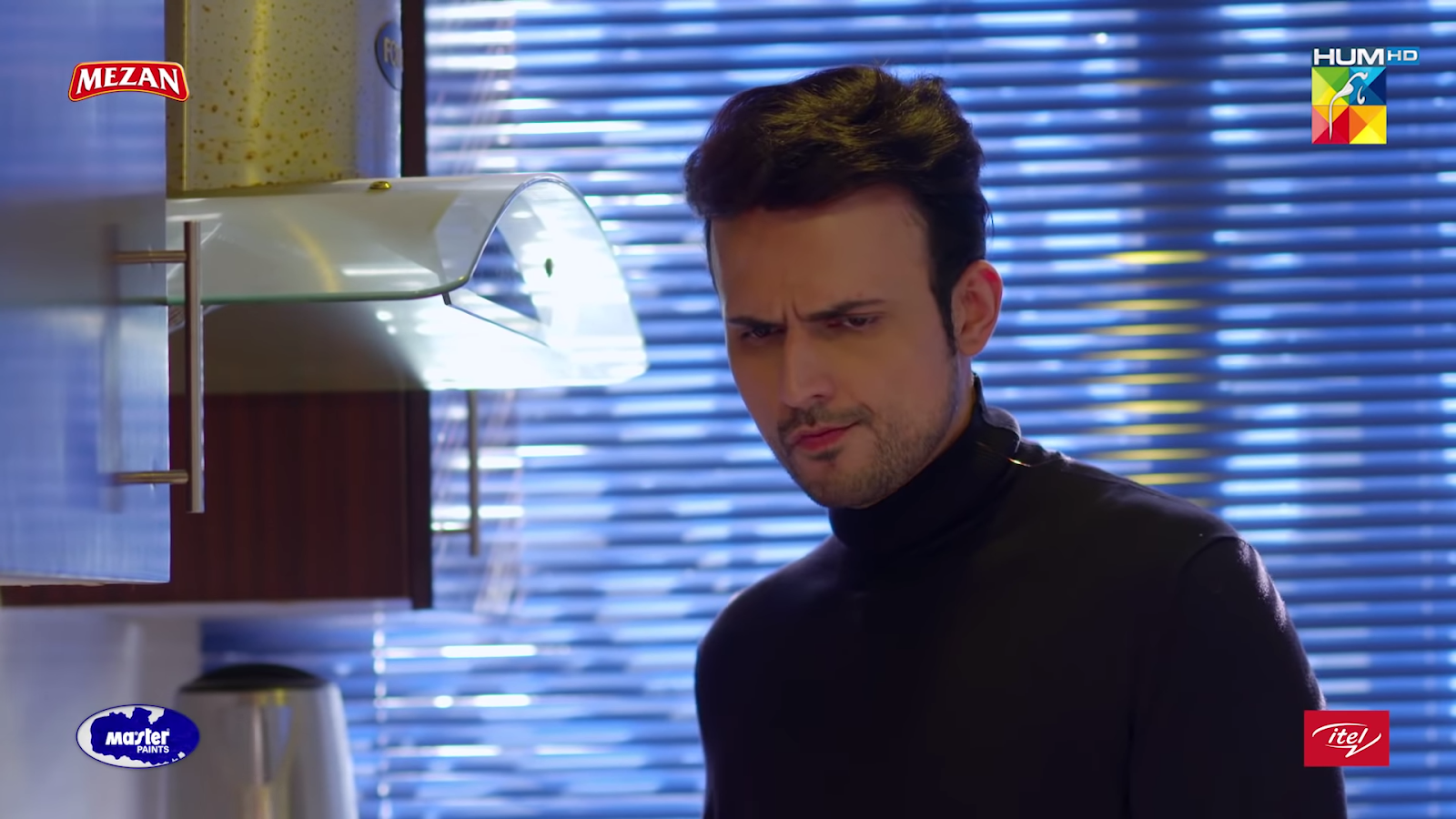
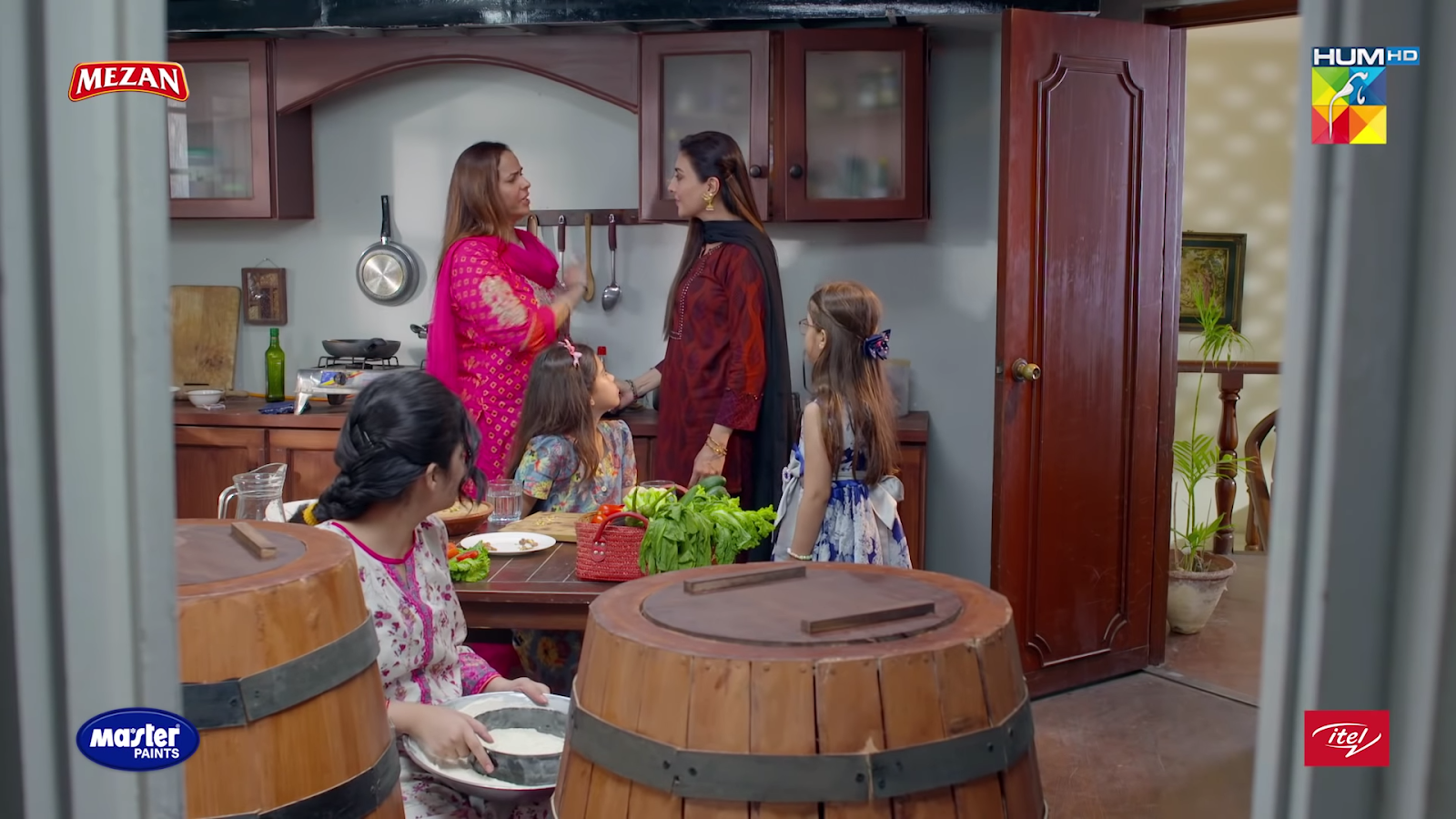
ii – While the camerawork is great in most instances, the Art Direction and Set Design is unimpressive. The show seems lit up as if it were a Food product commercial and lacks any experimentation with shadows to create a visually compelling picture. The overabundance of highlights does not help the show nor does it complement the dark storyline of it.

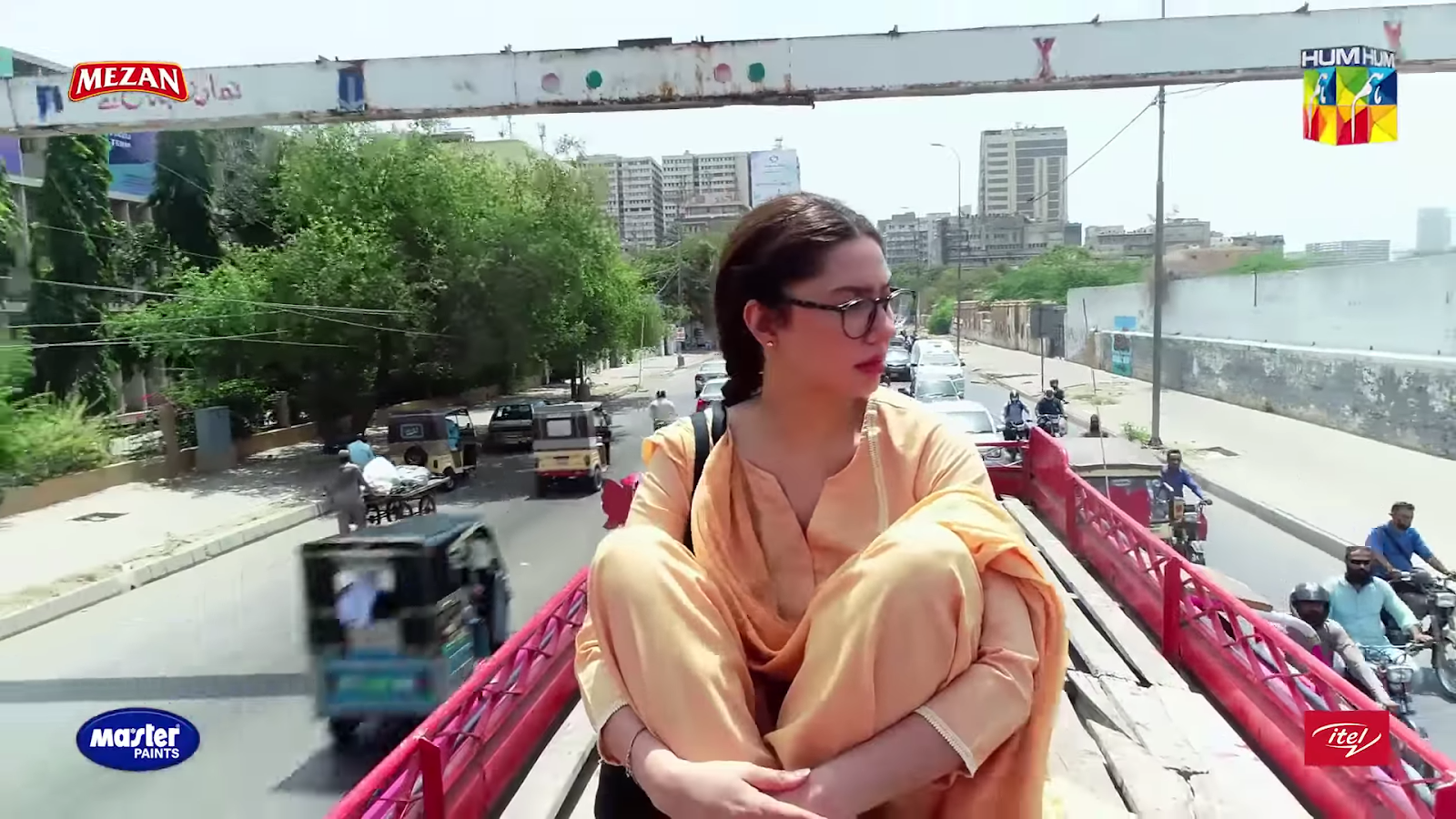
iii  – Even though the adult main cast was not much onscreen for the first episode, Mahira Khan and Kubra Khan seem a bit too stereotypical representations of a nerdy, low self esteem girl and the narcissistic overconfident girl. Mehreen nervously puts on her glasses while Mashal stares at her love Asward’s picture on her laptop with a sense of possessiveness. Their characterizations are really a bit too much on the nose.

Again, too early to tell but I hope the later episodes bring a lot more depth to their characters (and given Umera Ahmed’s track record, I’m sure that will prove to be true).

iv  – Can there ever be a Pakistani TV drama where they don’t have a sassy Housemaid? It seems like such a cliche now.

+ Overall

The premiere episode of Hum Kahan Ke Sachay Thay promises a rich world of characters and the paths they will choose for their future. The episode does suffer from typical Pak drama cliches but nonetheless entertaining. 

Rate: out of 5 stars

TV series

Mr. Khan’s Review on Laapata – Episode I & II (2021)

A review on Pakistani drama TV series, Laapata Episode 1 & 2 (2021). The new TV series is written and directed by Khizer Idrees. Laapata is a Momina Duraid Production and currently airs on HUM TV.

+ Crew

  • Directed by Khizer Idrees
  • Written by Khizer Idrees
  • Produced by Momina Duraid Productions

+ Note

Laapata is a comedy/ drama which focuses on young love who want to fulfill all of their aspirations in Life. The drama also highlights modern obsessions with social media such as Tik Tok and its impact on the Pakistani youth of today. 

The writer/ director of the show, Khizer Idrees is most well renowned in the TV industry for his work as a Cinematographer for films such as Manto (2015) and Verna (2017). 

 + Main Cast

  1. Ali Rehman Khan as Shams
  2. Ayeza Khan as Geeti
  3. Gohar Rasheed as Daniyal
  4. Sarah Khan as Falak

+ Plot

Shams (Ali Rehman Khan) loves Falak (Sarah Khan) and they predict something big for their future. On the other hand, Geeti (Ayeza Khan), the big Tik Tok star, is always looking for a new toy to play with. After being faced to decide upon her secure future, Geeti might have her eyes now set on someone… and that someone could perhaps be Shams? 

+ High Points

i – I am a firm believer that the opening scene for a TV show or a Film should encompass the vibe of the content the viewers are going to watch. And Laapata does exactly that. The opening scene was goofy, comedic but also depicted the aspirations (or delusions) of Shams flawlessly. 

ii – The chemistry between Shams (Ali Rehman Khan) and Falak (Sarah Khan) is great. Both actors know how to play off each other which in turn creates fun banter between the two love birds. As far as casting goes, these two were spot on.

iii – The gambling scenes in the first two episodes are visual art at its finest. The colors, the low key lighting emphasizing on tension and devious atmosphere, the music also plays off great in these scenes without any dialogue. While gambling, one could instantly tell what each character is pondering without even any spoken dialogue. Great stuff.

iv – Speaking of visuals, Laapata is also very well shot with lots of creative camera movement accompanying the scenes. Since Khizer Idrees started off as a cinematographer first, it is not at all surprising that his shows will incorporate a lot of his experience behind the camera.

v – Most of the supporting cast also play their parts well. Actors such as Gohar Rasheed, Amna Malik, Rabia Noreen, Munazzah Arif and Khalifa Sajeer Uddin work brilliantly as our protagonist’s close acquaintances who want to guide their child/ sibling on the right path of success.

+ Low Points

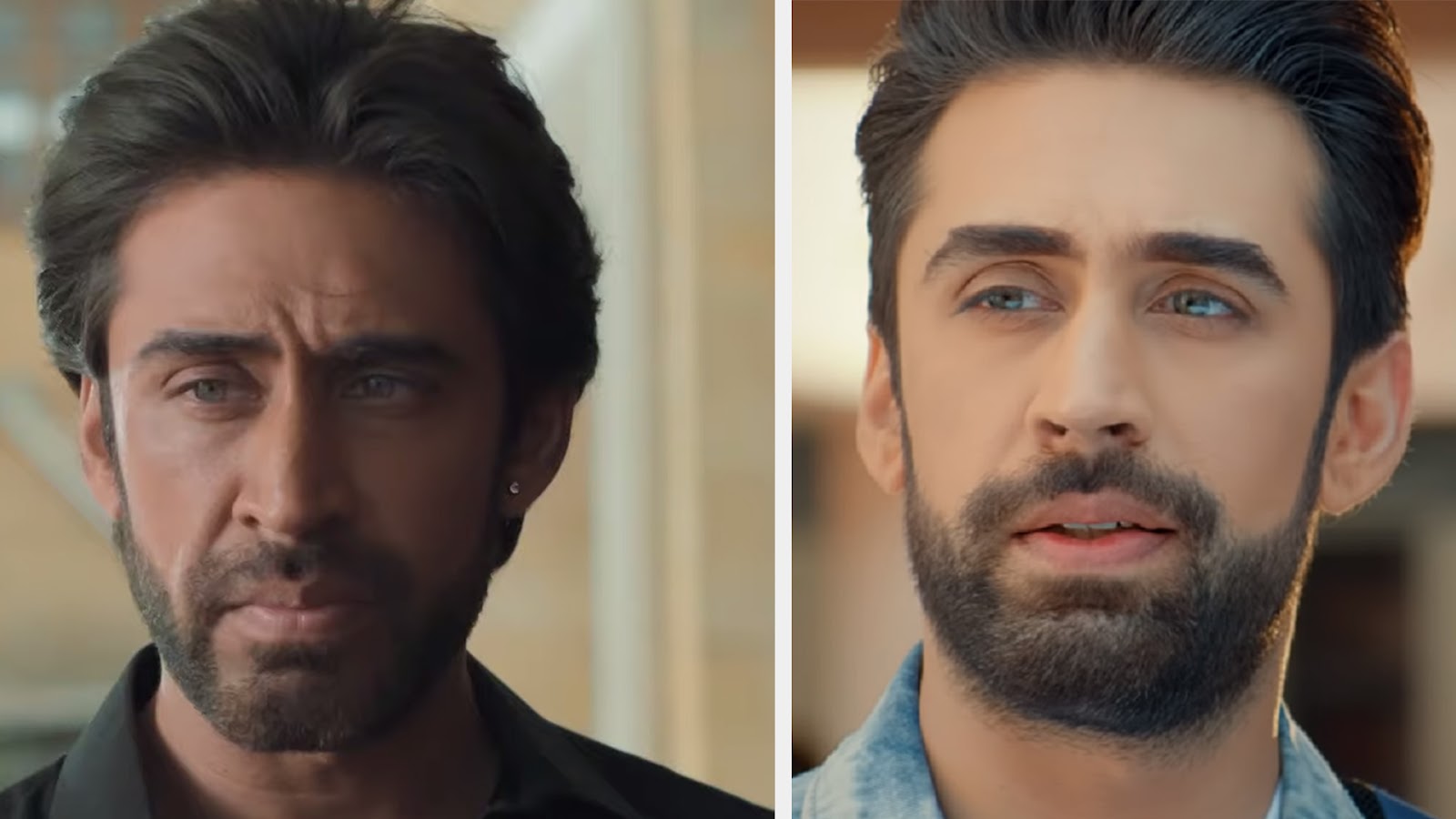
i –  First of all, this really needs to be addressed; why does Ali Rehman Khan’s face have touches of “browness” to it? Its definitely subtle but after watching the first two episodes, the only reason could be is a cultural one where “Browness = lower class”. Such casual racism unfortunately plagues our TV screens and Film Industry. First it’s the drama Parizaad and now this? The power of Media has such influence on the masses to combat bigotry and racism but dramas like these only throw fuel to the fire. 

    In Laapta                                                 In other shows.

ii – When it comes to the main plot and narrative, Laapata is nothing out of the ordinary. Due to its themes involving comedy and melodrama, the show plays it safe and uncreative (which is a disappointment since the cast of the show is great). While Hum TV currently has shows like Parizaad which proudly makes itself distinctive from the rest of the shows out there, Laapata is yet another Love Triangle/ Comedy of Errors mixed with melodrama that we all have become accustomed to. The main plot of the show is nothing flawed of sorts but it is also nothing creative.

iii  – Ayeza Khan as Geeti is a tad bit annoying as the famous Tik Tok star. Now granted, she might perhaps be an ideal representation of a Tik Tok influencer but I wish she was not one of the main cast members of the show. Let us hope that with each passing episode, her character’s facade melts a bit and we get to see some depth in her character.

iv  – The humor of the show, while nothing offensive, is also not really hilarious and most of the comedic scenes are with Geeti the Tik Tok star. This probably was not a good idea since she pretty much has no comedic timing. Most jokes are connected to her overexaggerated gestures and not the best comedic dialogue so unfortunately, Comedy is not Laapta’s strong suit. It also should be mentioned that the show tries to make subjects like “runaway marriages” a short term joke. Personally, I love dark humor if done right but here, not much thought was given to this set piece by Khizer Idrees. He may be a competent director/ cinematographer but the writing is lacking in originality and dialogues that could’ve been written much tighter for better results.

v  – Now this is something really odd. In Episode Two, one of the supporting cast (in the midst of a conversation) gets off his chair, turns on the radio which is playing the Soundtrack of another Hum TV’s drama Raqeeb Se (sung by Hadiqa Kiani). Admittedly, the soundtrack is great but why was this necessary to shoehorned in the middle of a scene??

+ Overall

Laapata has a solid cast with gorgeous visuals but the writing lacks in creativity which could’ve distinguished it from the rest of the shows on Pak TV.

 Rate: 2.5 out of 5 stars

TV series

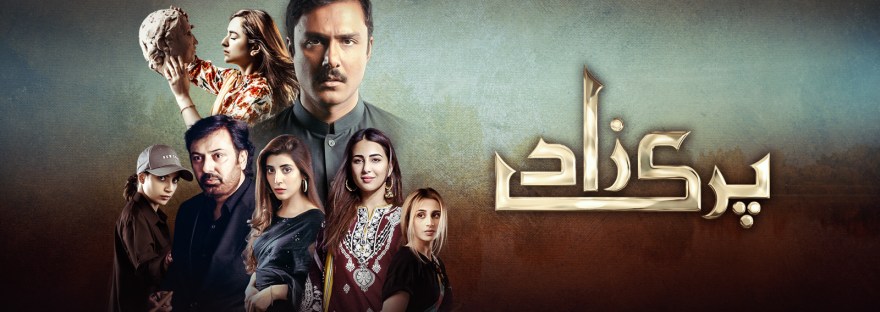
Mr. Khan’s Review on Parizaad – Episode II (2021)

A review on Pakistani drama TV series, Parizaad Episode 2 (2021). The new TV series is directed by Shehzad Kashmiri and written by Hashim Nadeem. Parizaad is a Momina Duraid Production.

(Note: If you’ve already read the review of the previous episode, you can skip directly ahead to the High points section).

+ Crew

  • Directed by Shehzad Kashmiri
  • Written by Hashim Nadeem
  • Produced by Momina Duraid Productions

+ Note

Parizaad is based on a novel by Hashim Nadeem and is a case study of a protagonist who cannot seem to find his place in a world where illicit behaviour and exploitation is rewarded over truth and kindness. The show explores the lower middle class societal problems of Pakistan and how a wallflower like Parizaad is never appreciated by our society. 

The director of the show Shehzad Kashmiri is a well respected cinematographer who then moved towards directing TV shows. He also directed a feature length film Bin Roye in 2015 which earned him a nomination for Best Film Director at 15th Lux Style Awards.

 + Main Cast

  1. Noman Ejaz
  2. Ahmed Ali Akbar
  3. Syed Muhammad Ahmed
  4. Urwa Hussain
  5. Ushna Shah
  6. Yumna Zaidi
  7. Saboor Ali
  8. Mashal Khan
  9. Tipu Shah
  10. Kiran Tabeer

+ Plot

Born in a world of neglect and hurt, Parizaad is an innocent soul that differs from everyone. He is kind, thoughtful and a gentle soul who due to his nature and appearance, does not fit the societal norms of Pakistani culture. Will the devious modern society engulf Parizaad into its darkness or will he remain a beacon of hope and all that is good in Life?

+ High Points

i – Parizaad starts off with a strong second episode that is engaging and emphasizes heavily on its core storyline. What I truly like about the writing is that in the midst of this big “misunderstanding” involving Parizaad, the side characters are not written as complete idiots and show some signs of personal judgement. Knowing Parizaad their whole lives, not all believe that he is guilty of invading the girl’s private space. It’s a touch of realism that is sadly missing from many dramas on Pak TV due to lazy writing.

ii – Since the whole episode was centered around this particular “misunderstanding”, every character has a chance to resonate in some ways with the audience and create a unique personality of their own. Be that Parizaad’s sister who wants to believe the best in people or his brothers whose primary focus is maintaining their family’s respect in the neighborhood. By writing with such vast layers of characterizations, it gives the audience a much better perspective on the current situation. Hashim Nadeem as the writer has created a fantastic start to the show.

iii – The local “lafanga” Shoukat (played by Raza Ali Abdi) has an interesting character moment in the episode that genuinely surprised me in a brilliant way. It shows that the protagonists of Parizaad are more multi-dimensional than one could imagine.

iv – As in the previous episode, the production work was nothing short of being exceptional. The low key lighting at night, the camera following the mob through the narrow streets of the neighborhood, it’s great to see such innovative and fluid camerawork on Pak television!

v – Episode 2 also pertains to a clever twist to the tale of Parizaad. Without revealing much, certain hints were presented in the first episode of a character which paid off masterfully during the last few scenes of the episode. Already looking forward to the next episode!

+ Low Points

i – Although the first two episodes of Parizaad have been noteworthy, there is notable absence of “Story B” in the show. Most TV dramas create Story A (the main plotline of the show) and Story B (the minor storyline of the show) so that if the first one (for some reason) bores them, they could certainly stick around for Story B of the show. So in that respect, Parizaad is very linear in its approach.

With the coming episodes, it’s perhaps certain that more new characters will be introduced and will create a labyrinth of moral judgement for Parizaad but for now, the drama has been very linear. If some viewers don’t find this main plotline interesting, they’ll most likely jump off the bandwagon before the plot really gets going!

ii – The show seems to be too focused on telling Parizaad’s tale (which of course there’s nothing wrong, that is the name of the show) but neglects exploring the characters around him. As I praised Episode 2 for shedding some light onto the supporting cast, the show can really benefit from focusing on them a bit more in the upcoming episodes. Some of the side characters seem genuinely interesting and are worth an exploration.

iii – There were some instances where Episode 2 could take you out of its reality; namely Parizaad sleeping with a nightlight shining bright on his face (how can anyone sleep like that?), also the lack of reaction from the crowd when a dramatic slap occurs. I suppose this could be served as a minor complaint but nonetheless, lack of small details does disturb the sense of immersion in the fictional world of the show.

+ Overall

A good follow up to the premiere episode, Parizaad looks promising and can prove very engaging once the plot really kicks into high gear.

 Rate: 3.5 out of 5 stars

TV series

Mr. Khan’s Review on Parizaad – Episode I (2021)

A review on Pakistani drama TV series, Parizaad Episode 1 (2021). The new TV series is directed by Shehzad Kashmiri and written by Hashim Nadeem. Parizaad is a Momina Duraid Production and airs on HUM TV.

+ Crew

  • Directed by Shehzad Kashmiri
  • Written by Hashim Nadeem
  • Produced by Momina Duraid Productions

+ Note

Parizaad is based on a novel by Hashim Nadeem and is a case study of a protagonist who cannot seem to find his place in a world where illicit behaviour and exploitation is rewarded over truth and kindness. The show explores the lower middle class societal problems of Pakistan and how a wallflower like Parizaad is never appreciated by the society. 

The director of the show Shehzad Kashmiri is a well respected cinematographer who then moved towards directing TV shows. He also directed a feature length film Bin Roye in 2015 which earned him a nomination for Best Film Director at 15th Lux Style Awards.

 + Main Cast

  1. Noman Ejaz
  2. Ahmed Ali Akbar
  3. Syed Muhammad Ahmed
  4. Urwa Hussain
  5. Ushna Shah
  6. Yumna Zaidi
  7. Saboor Ali
  8. Mashal Khan
  9. Tipu Shah
  10. Kiran Tabeer

+ Plot

Born in a world of neglect and hurt, Parizaad is an innocent soul that differs from everyone. He is kind, thoughtful and a gentle soul who due to his nature and appearance, does not fit the societal norms of Pakistani culture. Will the devious modern society engulf Parizaad into its darkness or will he remain a beacon of hope and all that is good in Life?

+ High Points

i – Parizaad is an interesting protagonist for the show. He’s shy, romantic at heart and selfless amongst others. Ahmed Ali Akbar gives a great performance through not just with his dialogues but physical mannerism; the way he slouches while walking or keeps his head low to avoid eye contact. It shows that the actor has diven deep down into the psyche of the character and his performance is a pleasure to watch on screen.

ii – The backdrop and surroundings play a crucial role in presenting the world of Parizaad to the viewers and I believe that the production team does a fantastic job with it. The slums, the broken walls, the ‘Awara’ youngsters playing Daboo at the street corner, it’s nice to see a Pak TV drama which takes place in the streets of Pakistan rather than lavish palaces of the less than 1% of Pakistanis. 

iii – For its first episode, the pacing of the show flows well; the character and his surroundings are well established and ends on a good cliffhanger. It’s a promising start to a new TV series that will surely bring more viewers in.

iv – Laudable camerawork and set design by the Production crew. By this point, Momina Duraid Productions always deliver on the technical aspects of its product and Parizaad is no different.

+ Low Points

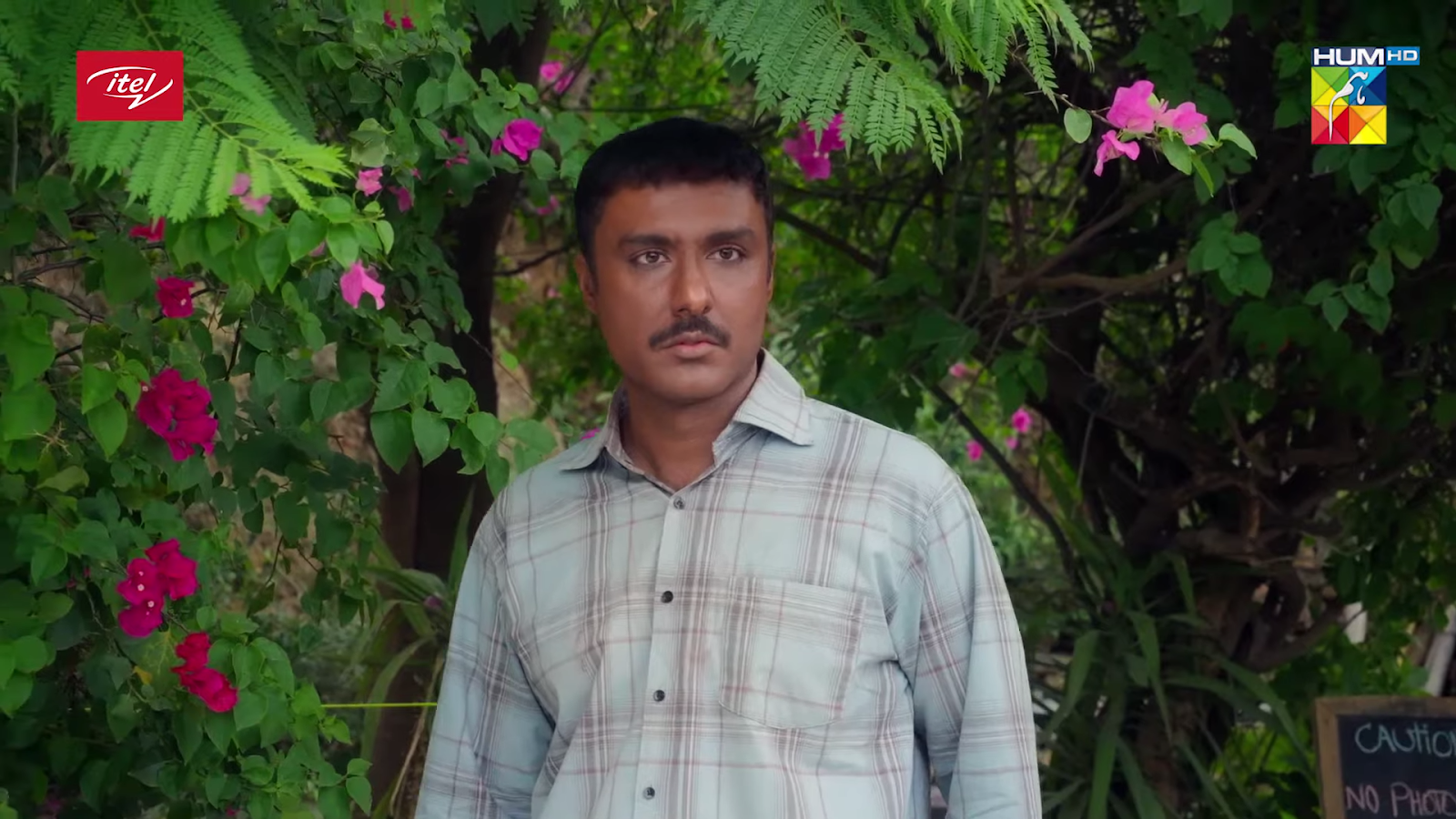
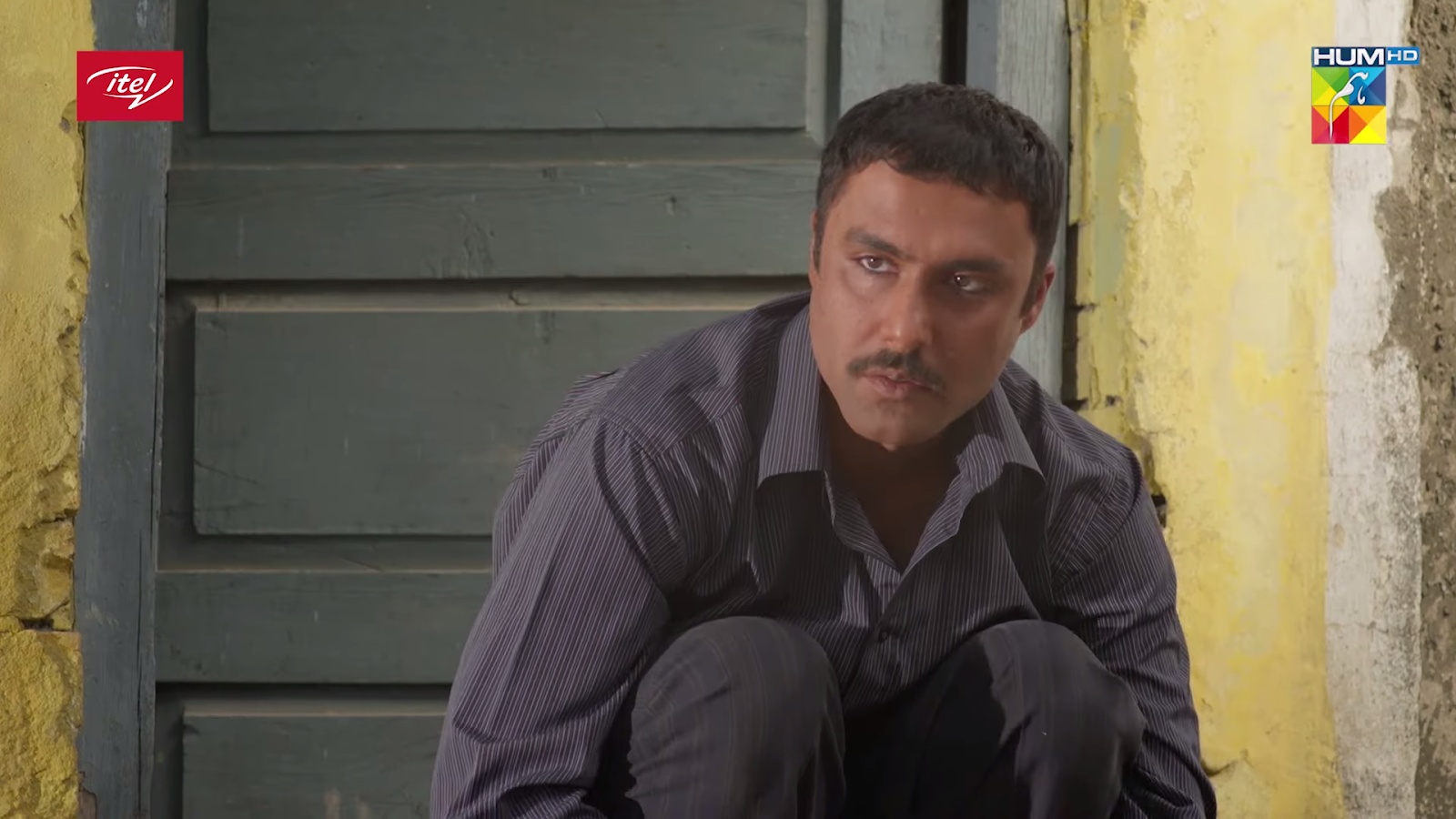
i – The biggest and most obvious critique has to be the Makeup on Ahmed Ali Akbar. He has been given a “brown face” which is questionable at best. I’m not sure where the show will go with this but if the idea is to critique how ‘brown skin’ is not up to the beauty standards of Pakistani culture then I’m all for it. But it does seem a tad dower to question why a relatively natural brown skinned actor was not chosen for the main role. Perhaps like the film Gandhi in 1982, Ahmed Ali Akbar’s performance will also overcome its appearance but I’m willing to see where the show takes this and then have my word on it.

ii – The Original Soundtrack seems at odds with the tone of the first episode. Perhaps with the music, HUM TV was trying to go with a ‘Anurag Kashyap’ vibe to it but unfortunately, doesn’t work too well with its overall presentation. The editing and pacing takes its time and is not at all insync with the music’s urgency.

+ Overall

With a compelling protagonist, Parizaad looks and feels different from other current Pak TV shows. Definitely worth a watch!

 Rate: 3.0 out of 5 stars

TV series

Mr. Khan’s Review on Maat (2011)

A review on Pakistani drama TV series, Maat (2011). The 25 Episode limited TV series is directed by Amna Nawaz Khan and is produced by Momina Duraid. Maat was broadcasted on HUM TV Pakistan.

+ Crew

  • Directed by Amna Nawaz Khan
  • Written by Umera Ahmad
  • DOP by Shehzad Kashmiri
  • Edited by Husnain
  • OST Theme composed by Farrukh Abid and Shoaib Farrukh
  • Produced by Momina Duraid

+ Note

Maat (adapted from the book of the same name) is written by the prolific Pakistani Urdu writer Umera Ahmad who is well renowned in the Pakistani Literature as well as Drama Industry as one of the most talented writers in Pakistan. The show is an exploration of themes such as moral defeat and victory in the eyes of our society. How far should one be selfish or selfless in order to survive in this world? Umera’s key strength in her writing has always been indulging in close family affairs and how differences in lifestyles can destroy the loved ones around you.

After its original broadcast on HUM TV, Maat instantly gained its popularity amongst its fanbase and was aired once again in 2013. This also led to the show being dubbed in Pashto for Hum Pashto 1 and drew numerous fans outside the country’s borders (such as India, Iran and Turkey). At the Lux Style Awards, Maat bagged Best Television Actress for Saba Qamar, Best Director, Best Writer and Best Television Serial awards.

 + Main Cast

  1. Aamina Sheikh as Aiman
  2. Saba Qamar as Saman
  3. Adnan Siddiqui as Faisal
  4. Noor Hassan Rizvi as Hadeed
  5. Shamim Hilaly as Faisal’s mother
  6. Rabia Noreen as Afia
  7. Asad Malik as Aazar
  8. Samina Ahmad as servant
  9. Maheen Rizvi as Shaila
  10. Sadia Ghaffar as Munazzah

+ Plot

Two sisters; Aiman (Aamina Sheikh) and Saman (Saba Qamar) have vastly different visions of a perfect life. Aiman dreams of a modest, honest life whereas Saman dreams of a luxurious life with no consequences. Ideals clash when Faisal (Adnan Siddiqui)  proposes to marry his long time love Saman but her perfect Husband might not have a clear face so long as he can fulfill every material need that she desires in Life.

+ High Points

i – This is by now no secret that I am a massive fan of Umera Ahmed and her writing. She is undoubtedly miles ahead from many other drama writers in the Pakistani TV Industry. And Maat is no exception. Every episode is written with intricate precision and attention. With depth and understanding, each character feels a real and integral part of the story. Throughout its 25 Episodes, the show never felt staggered or prolonged (which is a rarity in modern Pak Television!). Each episode had a purpose to exist and that is perhaps one of the biggest compliments I could possibly give to a episodic soap opera. 

ii – Even though Maat is (yet again) a story of love triangle on the surface level, the plot goes much deeper than that. The show is an exploration of selfness vs selfishness (similar to Umera Ahmed’s previous work Daam (2010) but interestingly enough, the role of Aamina Sheikh reversed). It’s obvious that the sympathies lie solely on Aiman but she herself is not flawless in her woes. She fails to understand where the limits lie when it comes to personal sacrifice. Saman (on the other hand) fails to understand why the world doesn’t revolve according to her needs. She has no issues in manipulating people in order to get her way. The concept of ‘philanthropy’ is all alien to her. 

What I really admire about the storyline is all characters (whether good or bad) have flaws within them. The victim nor the oppressor can remain blameless throughout the show. It’s a balanced style of Umera’s writing which I truly applaud about her work. But with that being said, I think a lot of credit also should go to Amna Nawaz Khan’s superb direction. Her meticulous direction of her cast of characters and the scenes that they were part of really brought a lot of life into the show.

iii – The performances are great all around but it’s mostly the main cast of Aamina Sheikh, Saba Qamar and Adnan Siddiqui that shine throughout the show. The audience naturally tunes in for them to take the center stage and they never fail to deliver. But surprisingly, as the show progressed, Saba Qamar quickly captured the limelight of the show and most of the later episodes were solely through her perspective. And that I felt was very refreshing to view the events from the “Antagonist’s” point of view.

iv – The supporting cast of Shamim Hilaly, Rabia Noreen and others also contributed a lot to the show’s strength in its performances. Apart from the servant actors sounding a bit stiff, the main supporting cast was excellent throughout its 25 episodes. The scenes between Shamim and Rabia were also great to watch as their onscreen chemistry really had me believe that they are in fact sisters long after the cameras have stopped recording for the day.

v – The setting, locations and backdrop was all brilliantly realized for the show. The living condition differences between lower social classes and upper social classes were very apparent and added much needed depth and diversity to the moving images of the show.

vi – Apart from the brilliant OST by Muhammad Ali, most of the music was fantastic throughout the show. The integration of flute with melancholic piano really brought a sense of pain and regret onto the small screen. The music never felt overbearing but only ended up enhancing your viewing experience.

vii –  The conclusion to the show was outstanding and fit right in the tone and narrative of the show. Most TV dramas fall into the trap of a great setup but a terrible payback at the end but the writer of Maat knew in which direction she was taking the show and how this particular story would end. The conclusion of any show always makes or breaks it but fortunately, Maat had a very satisfying conclusion to the show.

 + Low Points

i – The production was serviceable to say the least. Shehzad Kashmiri’s camerawork was subpar and lacked any sort of creativity in its visuals. Shows like Raqeeb Se (2021) are a prime example how inventive framing and camerawork can really contribute to the overall aesthetic of the show.

(Warning! Spoilers Ahead! If you would like to avoid it, please skip to the Overall section):

ii – One major problem that left me perplexed was the shift of perspective from Aiman to Saman. Why? Why could not both have been the audience’s window into the world of Maat? Since the two sisters have polar opposite understanding of the world, this unique dual perspective would have worked seamlessly into the narrative but for some reason, Umera’s script solely focused on Saman’s view mostly throughout the show. A bit more balanced screentime between the two sisters would worked better for the show.

iii – Although Saba Qamar’s performance was great, she had a certain tick in her performance that whenever she said something in a condescending tone, she shook her head on the side at the end of each sentence. I’m not sure if it was supposed to be a tick that Saba invented for her character or if it was the director’s suggestion but became a bit distracting as episodes went on. 

iv – There were times when the audience might lose their empathy towards Aiman because she is gratuitously more generous than anyone ever should be. It’s hard to sympathize but only pity someone’s lack of intelligence if it’s already written on the wall that caving into Saman’s stubbornness and Faisal’s self-destructive desires will lead to nothing good in life. Perhaps it can be noted as a flaw of Aiman but these were the times when I momentarily lost sympathy for Aiman for being so naive and clueless.

v – The “elderly” make up in the last two episodes was laughable. It looked ridiculous considering the white hair but perfect “wrinkless” skin. A random guy called Aiman ‘old lady’ just took me completely out of the scene. Stage plays have better makeup than this!

vi – The last few episodes have a bit too many inner monologues from Aiman. I think that dragged the episodes a bit and could’ve been avoided. The visuals were enough for the audience to understand what was happening without the show spelling it out for them.

+ Overall

Maat is such an entertaining watch. The characters are interesting and the plot progression is excellent throughout its 25 episodes. One of the best shows to come out of the last decade.

 Rate: 4.0 out of 5 stars

Tele-Films

Mr. Khan’s Review on Do Bata Aath (2021)

A review on Pakistani telefilm Comedy, Do Bata Aath (2021). The TV film is directed by Kamran Akbar Khan and is written by Rizwan Hassan. The telefilm stars the comedian Ahmad Ali Butt and Maria Wasti as leads with Ahmed Hassan and Zhalay Sarhadi serving as supporting cast. As the name suggests, the telefilm also includes eight child actors. Do Bata Aath is a Momina Duraid/ HUM TV Production and was aired on the 3rd Day of Eid-ul-Fitr 2021 Special.

+ Crew

  • Directed by Kamran Akbar Khan
  • Written by Rizwan Hassan
  • Cinematography by Abdul Qadoos
  • Editing by Sheeraz Fayaaz
  • Produced by Momina Duraid
  • Production House: MD Production

+ Note

Do Bata Aath serves essentially as a 75 min situational comedy, where the comedic antics are always connected to the vast number of children that the married couple has. The premise can be attributed to a Hollywood comedy classic of the 2000s Cheaper By The Dozen (2003) starring Steve Martin and Bonnie Hunt. The telefilm also creates hilarious situations out of handling day to day life in the Faraz Family. Do Bata Aath is presented as the “lighter side of Life” and was a special broadcast on the 3rd day Eid-ul-Fitr 2021.

 + Main Cast

  1. Ahmad Ali Butt as Faraz
  2. Maria Wasti as Aleena
  3. Ahmed Hassan as Faraz’s Boss
  4. Zhalay Sarhadi as Biloo

+ Plot

There’s always fun and trouble brewing in the Faraz Family. While handling eight kids simultaneously with his wife, Faraz (Ahmad Ali Butt) struggles to make ends meet… or even remember the names of his kids or who came before or after. After not being appreciated enough for her efforts, Aleena (Maria Wasti) decides to take an indefinite hiatus off her motherly duties and let Faraz take her place in taking care of the kids instead. Hijinks ensue and now Faraz needs to find a balance between family life and maintaining his sanity in the process.

+ High Points

i – Maria Wasti was probably picture perfect casting as the grizzly, overworked mom of eight children. She not only looked the part but her performance matched well to her character. Probably the least offender from the whole bunch of terrible performances.

 + Low Points

i – Do Bata Aath had ONE joke throughout its entire runtime; “Hey, isn’t it funny that the family consists of EIGHT children?”. And five minutes into the telefilm, this joke got old real fast. For a comedy, there was absolutely nothing funny about this. All the jokes and setups were lazy and uninspired. The writer Rizwan Hassan probably wrote the script in an hour’s time as I refuse to believe any effort was put into this project. It’s nonsensical and unfunny throughout its runtime. You can find more comedy in the evening news than this pile of garbage.

ii – The performances are just way too ridiculous and over the top. Since the dialogue is so abhorrent, the actors are directed to over exaggerate their acting to compensate but ends up making it much worse. I don’t understand what people see in Ahmad Ali Butt but he’s not a good comedian by any stretch of my imagination. When it comes to comedy, Pakistani TV shows/ telefilms just fail miserably at it. Subtlety is not even in the cards, every performance needs to be like they are on an Umer Shareef Theater show. While Theater thrives on exaggerated performances, Television/ Film needs subtlety because the camera is much closer and personal to the actors. Why is this such a difficult idea to comprehend for Pakistani Television Production?

iii – Also the whole family dynamic makes no sense. Unlike Cheaper By The Dozen, all the children are more or less the same age. How is that even possible? Did they adopt kids in between? Were they born in pairs? What possessed them to have so many children if they clearly can’t afford all of them? It also seems obvious that there is no real ‘fatherly love’ to the kids as Faraz half the time doesn’t even remember their names or birthdays. Some context or backstory was needed for this comedy to work but the audience is given no explanation. The idea was there but absolutely nothing was built upon it. The whole telefilm relies on cheap comedy antics from its co-stars.

iv – Of all the performances, Ahmed Hassan as Faraz’s disgruntled boss was the worst. I felt literally embarrassed whenever he was onscreen. I hope he made some good money from this telefilm because this is one performance he can never live down.

v – NOISE. That’s what this telefilm is. And I don’t mean just the kids shouting all the time (although that would’ve been fitting to the premise). NOISE equals Background music here. By having constant Music running in the background of every single scene without a second’s rest, the telefilm made it perfectly clear that they had absolutely no faith in their writing and performances to maintain their audience’s attention span. It’s the “shaking of the keys in front of a cat” syndrome, HUM TV knows its garbage television and they have to try everything to keep viewers from changing channels.

vi – Speaking of Production, the camerawork and editing is just awful and unpleasant to look at. Most scenes just begin with a closeup on the actors without giving any indication to the audience where exactly the scene is supposed to be taking place in.

+ Overall

Do Bata Aath is just another uninspired mess of a telefilm which is neither funny nor creative. Its 75 minutes of my life that I will never get back.  

Rate: 0.75 out of 5 stars

TV series

Mr. Khan’s Review on Mohabat Subh Ka Sitara Hai (2013)

A review on Pakistani drama TV series, Mohabat Subh Ka Sitara Hai (2013). The 23 Episode limited TV series is directed by Sakina Samo and is a Momina Duraid production. Mohabat Subh Ka Sitara Hai was aired on HUM TV from Dec 2013 till May 2014.

+ Crew

  • Directed by Sakina Samo
  • Written by Umera Ahmed
  • Edited by Tanveer Alam and Afzal Fayaz
  • DOP by Ilyas Kashmiri
  • Music Composed by Shani
  • Opening Theme song “Ye Jo Ik Subha Ka Sitara” by Harshdeep Kaur
  • Produced by Momina Duraid

+ Note

Mohabat Subh Ka Sitara Hai is a case study on family politics and how wealth could potentially always be the root cause of Evil. Sanam Jung plays the part of Romaisa who, due to her father’s valuable lessons in Life, is apparently left uncorrupted by envy and greed that plagues humanity since the beginning of time. When Romaisa was young, her father told her the tale of the mysterious morning star. Even though the star is always visible, one cannot see it just through vision but with the aid of their heart. Throughout the show, Romaisa is constantly in search of that star, the one that could finally bring peace and happiness in her Life.

At 3rd Hum Awards in 2014, Mohabat Subh Ka Sitara Hai won ‘Best Actor” by Mikaal Zulfiqar and “Best Supporting Actress” by Mansha Pasha.

 + Main Cast

  1. Sanam Jung as Romaisa Sikandar
  2. Mikaal Zulfiqar as Nabeel Sikandar
  3. Adeel Hussain as Zeeshan Sikandar
  4. Mansha Pasha as Aliya, Romaisa’s aunt daughter.
  5. Mira Sethi as Rabia, Zeeshan ex-wife
  6. Farah Shah as Romaisa’s Khala

 + Supporting Cast

  1. Naeem Tahir as Nabeel and Zeeshan’s father
  2. Aini Zaidi as Nabeel and Zeeshan’s Mother
  3. Ali Tahir as Nabeel’s elder brother
  4. Tara Mehmood as Nabeel’s brother wife
  5. Hira Tareen as Hamna, Nabeel’s sister and Romaisa’s sister in law
  6. Hassan Noman as Hassan, Hira’s husband and Nabeel’s brother in law
  7. Sania Shamshad as Nayab, Nabeel brother’s wife sister (Guest Appearance/cameo)
  8. Rashid Farooqi as Romaisa’s father (only flashbacks)
  9. Kiran Fatima Bader as Jameela, Romaisa’s sister friend

+ Plot

Romaisa (played by Sanam Jung) is a young, orphan girl who, after the death of her father, is adopted by her aunt and her daughters. But life has never been easy for Romaisa as, due to her pure heart and kindness, is always taken advantage of by the people who surround her. In comes Nabeel (Mikaal Zulfiqar), a wealthy businessman who, due to Romaisa’s innocence and purity, falls head over heels in love with her. But as Life would have it, things do not go according to plan and Romaisa needs to search for that “morning star” so that she could finally achieve inner peace and happiness in her Life.

+ High Points

i – Mohabat Subh Ka Sitara Hai is fantastic in its execution when it comes to characterizations. Each of the main cast and side characters’ motivations are very well defined and depicted onscreen for the audience. And each character is not just a stereotypical version of themselves but rather, have subtle complexities within them. 

ii – Speaking of subtle complexities, the family drama is one of the key aspects of the show. And Mohabat Subh Ka Sitara Hai’s star shines the brightest when it comes to interaction with various family members. From the confident and brash to the weak and incompitent, the Sikandar family has it all. And the show was always compelling when the episodes solely focused on these integral dynamics between the siblings and in laws.

iii – Even though the performance was not always consistently flawless, Adeel Hussian as Zeeshan did a decent job in conveying his character to its fullest potential. As the story progressed, it became obvious that Zeeshan had to play a crucial part later in the show and the performance was more than up for the task.

iv – As a viewer, it’s also exciting to see how people from different social classes massively differ from one another. From the brash, sassy aunt of Romaisa and her daughters to the timid but cruel family members of the Sikandar family. And on some level, they still all seem very human. Credit here should go to Umera Ahmed’s writing and how her strength always lies in capturing different aspects of life within the city of Karachi.

v– The whole “Cinderella” story of Romaisa and her cruel Stepmother/ sisters who eventually meets her prince charming Nabeel was meretriciously integrated into the plot of the show. Mohabat Subh Ka Sitara Hai does have a very strong fairytale vibe to it and plays off seamlessly through its various characters and situational drama.

vi– An argument could be very well made that it is in fact the supporting cast of the show that makes it so compelling to watch. While the main cast does come off as bland and uninteresting at times, supporting characters such as Romaisa’s Aunt (Farah Shah) or Mansha Pasha who bring some life into the show.

 + Low Points

i – While the setup is interesting and the supporting cast is always fun to watch, Mohabat Subh Ka Sitara Hai has major flaws when it comes to the pacing and execution of the show. Firstly, the drama series did not need to be 23 episodes long. The length does not justify the time the viewer invested into the show, especially during the later half where the plot progression seemingly comes to a screeching halt. Almost a half of the supporting cast just disappears from the show and the themes of wealth and respect became incredibly repetitious till the last episode. Mohabat Subh Ka Sitara Hai starts off promising but is arguably a let down by the end.

ii – When it comes to the lead protagonist, the casting and writing of that character can either make or break the show. Even though Sanam Jung as Romaisa was fairly decent, the writing felt desperate in making her likeable for the audience who just ends up feeling incredibly naive and unintelligent at times. And if I be so honest, Romasia is not a likeable character at all. She comes off as a person who lets people emotionally abuse her for no good reason other than the fact that she wants everyone to like her. And what’s worse, this continues on till the last episode of the show! There is absolutely no character arc or a journey for Romaisa which is extremely disappointing for audiences who are supposed to empathize with her plight. And to top it off, even her future husband Nabeel makes fun of how naive and clueless she is about life. Initially, this is all justifiable as long as her character learns in the end to overcome her flaws. But sadly, that is not the case. 

I do not blame Sanam Jung because she did exactly what the script wanted her to do. It is clearly the writing which is at fault.

iii – As someone who has read my reviews before, knows beforehand that I am a fan of Umera Ahmed’s writing. I believe she has written great dramas and telefilms in the past but unfortunately, Mohabat Subh Ka Sitara Hai is one of her weakest works that I have come across. Most scenarios or vital scenes don’t feel organic but forced because the script wants it to happen. Case in point…

iv – The love story between Romaisa and Nabeel is incredibly forced and absurd. At first glance, how could Nabeel know that Romaisa is the one with “pure heart”? How much time did they spend talking to each other? Throughout the earlier episodes, Nabeel only comes off creepy who forces Romaisa into “dates” and lunches which she is visibly not very fond of. Only when she is forcefully married to Nabeel, does she “learn” to love her husband. How and why? What changed? Nothing is explained other than the fact that it needed to happen so the show could progress. Normally, one could claim that the male creatives write such depthless female characters but in this case, the writer and director are both women! There is no excuse for such terrible writing and reinforces the fact that a woman just needs a man to show her the way in life. Utterly disappointing.

v –  The production of the show is nothing special. Even with its various locations, the moving pictures are dower and bland. And that’s a real shame.

vi – There are way too many flashbacks of Romaisa and her father, always exclusively discussing what the morning star means. Does she literally have no other memories of her father? She is depicted to be around 7-8 years of age at the time so I’m sure she remembers a lot more than that.

vii – SPOILER ALERT!!! In the next point, I will talk about the ending of the show. You can skip directly to Overall if you would like to avoid it:

As a viewer, I waited for the episode where Romaisa finally stood up for herself and took control of her own life. But sadly, nothing such happens. Instead, Zeeshan comes up to her and painstakingly explains to her why she should’ve stood up for herself. What? What is the point in that? Why did Romaisa’s character arc not naturally bring that to the conclusion of the show? And apparently, that speech by Zeeshan made Romaisa finally see her “morning star”? The ending is so absurd and illogical. It ultimately leaves the viewer exhausted as to why he/ she invested so much time into this show.

+ Overall

Mohabat Subh Ka Sitara Hai starts off strong but ends with a whimper. The main protagonist is not sympathetic enough to sustain the audience’s interest throughout its 23 episodes. While there are some beacons of engagement with its colorful supporting cast, it unfortunately does not justify the time the viewer needs to invest in the show.

 Rate: 2.25 out of 5 stars

Tele-Films

Mr. Khan’s Review on Behadd (2013)

A review on Pakistani telefilm Drama, Behadd (2013). The TV film is a directorial debut by Asim Raza and is written by the Urdu novelist Umera Ahmad. The film stars Nadia Jamil, Fawad Khan and the young Sajjal Ali. This telefilm is produced by Momina Duraid and is a HUM TV production.

+ Crew

  • Directed by Asim Raza
  • Written by Umera Ahmad
  • Edited by Kashif Ahmad and Wasim
  • DOP by Suleman Razzaq
  • Theme music by Fawad Khan
  • Music Composed by Hasil Qureshi
  • Produced by Momina Duraid

+ Note

The famous commercial TV director/ producer Asim Raza announced to the press beforehand that Behadd is going to be his directorial debut in the world of telefilms. As many of Umera Ahmad’s screenplays, Behadd serves also as a ‘slice of life’ tale and explores the relationship between a widowed mother and her young teenage daughter. The telefilm indulges in themes such as single parenthood and ‘selflessness’ verses ‘selfishness’. How important is one’s own happiness as compared to your child’s. 

The film was primarily shot in Karachi, Sindh and used real locations and settings of the city. After its release, Behadd received praise from critics and viewers alike and was the recipient of Hum Awards for Best Producer in 2014.

 + Main Cast

  1. Fawad Khan as Jamal “Jo” Ahmed
  2. Nadia Jamil as Masooma “Mo” Jamal
  3. Sajal Ali as Maha
  4. Nadia Afgan as Shafaq
  5. Nasheen Masud as Popi “Po” Masood
  6. Rahma Saleem as Fareena

 + Supporting Cast

  1. Adnan Siddiqui as Hassan (Masooma’s husband)
  2. Adnan Jaffar as Shafaq’s husband
  3. Shamoon Abbasi as Masooma’s boss
  4. Hira Tareen as Shaista (Jo’s proposal)

+ Plot

After the unfortunate death of her husband, Masooma (Nadia Jamil) is left to take care of their daughter Maha (Sajal Ali) all on her own. Along her journey to single parenthood, Masooma ends up meeting her old friend’s brother Jamal (Fawad Khan) and they both quickly realize that they have much more in common than they could ever hope for. 

+ High Points

i – Behadd’s ‘slice of Life’ plot is what makes most Pakistani Television so appealing to watch. With Umera Ahmad’s impeccable writing and Asim Raza’s meticulous direction, the telefilm works pretty much on every facet of successful storytelling. Even if you have never had a child or been a single parent, Behadd just feels so magnificently real and relatable. 

“If you indeed have to be selfless, how far can you take it?”

“What if your selflessness and wellbeing is being detrimental to those around? Should you then focus on your own happiness?” 

These are incredibly valid questions that we, in our line of duty of being a parent, tend to forget. 

ii – Brilliant performances all around but what stands tall above the rest is Nadia Jamil’s depiction as an overzealous single parent. Her reading of dialogue and body language conveys greatly her anguish and suffering behind the facade of being strong for her daughter.

iii – Some of the best scenes came not only from the climactic scenes of the telefilm but also the much quieter moments when Masooma is just casually interacting with her friends and colleagues in the office. The nonchalant manner of speech and dialogue is so crucial in inviting the audience to become part of the scene itself and Behadd’s writing and supporting cast exactly does that.

iv – And of course, the breakout performance by Sajal Ali as Maha was also a valiant effort in making this telefilm a success. Her performance was essential in order to captivate the audience into buying into this tale of mother/ daughter relationship. 

v– Behadd is a perfect example of why a show/ telefilm doesn’t need overbearing music and editing to force the audience into feeling sympathy with the characters. The writing and performances have to be good enough to invite their audience into that. Never did my attention falter or felt manipulated in any way. And that’s a sign of pure class from the creative team behind this telefilm.

vi– The song “Nindiya Re” by Kaavish is how seemlessly music and visuals can create the perfect rhythm. Perfect selection for Behadd’s OST.

vii– The conclusion of the story was also brilliantly handled and executed. Considering the circumstances of the storyline, this was probably the most logical conclusion that could have occured. Kudos to the entire team behind this telefilm!

 + Low Points

i – Honestly, whatever low points I have are mostly nitpicks but are still issues with the telefilm’s onset production. Namely, the overuse of Close Ups. Now close ups can be very impactful in visual language but only if they are used sparingly. Behadd unfortunately indulges in it a tad bit too much and it does lose its impact after a while. 

ii – And speaking of close ups, the cinematography is also nothing to admire at. Although it’s fairly competent by Suleman Razzaq, he did not use the visual language to its full potential and now just comes off sub par in contrast to the brilliant writing and performances of the telefilm.

iii – As much as I adore Behadd, it also suffers from the “rich people with rich people problems” syndrome. Now being wealthy does not equate to happiness, that’s fairly obvious but almost all Pakistani dramas/ telefilms shoot in lavious, massive houses so that they visually look pleasing to the eye and almost never a decision made based on the script. But have to give credit to Behadd as they did explain that they are living in the house as tenants. 

+ Overall

A well written script, brilliant performances, no overbearing use of music/ dramatic effects, Behadd is what every Pakistani telefilm should strive to be.  

Rate: 4.25 out of 5 stars

TV series

Mr. Khan’s Review on Khaas (2019)

A review on Pakistani drama TV series, Khaas (2019). The 27 Episode limited TV series is directed by Danish Nawaz and is a Momina Duraid production. Khaas was aired on HUM TV.

+ Crew

  • Directed by Danish Nawaz
  • Written by Sarwat Nazir
  • Edited by Mehmood Ali and Nasir Inayat
  • DOP by Tameen Nizami
  • Music Composed by Sohail Haider
  • Opening Theme song “Woh Jo Tha Bahut Hi Khaas” by Natasha Baig
  • Produced by Momina Duraid

+ Note

Back in 2019, Khaas was a show which strived to be unlike any no other on Pakistani Television. On the surface level, Khaas could be your typical run of the mill drama between In laws and daughter in law but Sarwat Nazir’s writing strives the show to be much more than what it seems to be. Khaas is about an emotional plight of a woman in a male dominated culture. Where certain expectations are required from the woman of the house. The show is primarily a case study of what emotional abuse a woman has to face in order to be loved and respected by the Pakistani society; be that sustaining composure while your Husband makes hurtful jokes about you or extinguishing your goals and ambitions in order to please the traditional “norm” of being a housewife. Although this word is treated as poision by most of the Pakistani community, Khaas is in fact a ‘feminist’ drama in which the target audience is not necessarily women but also the male counterparts of our everyday life.

Khaas was a critical and commercial success throughout the country, garnering praise and applause from audiences who saw themselves in the protagonist Saba. The drama was nominated by Lux Style Awards for Best Writing and Best Original Soundtrack.

 + Main Cast

  1. Sanam Baloch as Saba Faraz
  2. Ali Rehman Khan as Ammar Saud
  3. Haroon Shahid as Fakhir
  4. Behroze Sabzwari as Faraz Ahmed; Saba’s father
  5. Lubna Aslam as Sadaf Faraz; Saba’s mother
  6. Saba Faisal as Kanwal Saud; Ammar’s mother
  7. Mashal Khan as Sonia
  8. Anam Goher as Nida Saud
  9. Sajida Syed as Nusrat

 + Supporting Cast

  1. Natasha Ali as Farah
  2. Amna Malik as Javeria
  3. Shehryar Zaidi as Saud; Ammar’s father
  4. Sonia Nazir as Anam
  5. Areesha Shah as Mehak Faraz
  6. Sanam Baloch as Fakhir’s late mother 
  7. Danish Nawaz as Fakhir’s late father (only seen in flashbacks)
  8. Hira Tareen as Salma

+ Plot

Khaas is a story of an ambitious woman named Saba (played by Sanam Baloch) who strives for her career and other goals in Life. That all unfortunately gets cut short once Ammar (Ali Rehman Khan) proposes to her and her family. Due to unwarranted pressure from her parents and society, Saba accepts the proposal and focuses on her married life instead. Even though Ammar is considered charming and loved by everyone around him, something seems not right about him. Slowly, the façade of Ammar breaks down and Saba gets to see what lies behind the curtain.

Meanwhile Fakhir (Haroon Shahid), a timid, shy artist who falls in love with Saba and steadily, a friendship brews between them, proving that within all that is dark, there is a glimpse of light at the end of the tunnel.

+ High Points

i – Khaas is a textbook example of how it should be done! Engaging storyline, memorable characters, cliffhangers after each episode, never once did my attention span falter while watching the show. The show hit every narrative beat picture perfect and its success and admiration by the fans is the living proof of it. 

ii – A lot of praise and attention should be devoted towards the main cast as each one of them portrayed their characters with absolute perfection. Sana Baloch as the strong yet sympathetic protagonist, Ali Rehman Khan as the narcissistic, petty manchild and Haroon Shahid as the shy, timid artist who sees good in everything. That’s a perfect dynamic of characters one could have for any TV show. And their performances were excellent throughout the series. 

iii – The character arcs of each of the main cast is also incredibly well written and realized onto the small screen. As a viewer, you can empathize with Saba’s journey from a shy, dominated girl to an empowered, striving woman. Experiences made her change, become more stronger in a cut throat environment of male domination. In Pakistan, men usually get away with a whole lot more than a woman can and Khaas highlights that aspect with total honesty and sincerity. And that is one of the main reasons why Khaas was such a mainstream success.

iv – Apart from the main cast, some of the supporting characters also resonate incredibly well, mainly Saba Faisal as Ammar’s mother. Saba is such a versatile actress that she could adapt to any character she would like and this one is no exception. Her perception towards womanhood and blindness towards her son Ammar is a story seen numerous times in our culture. Men mainly get away with such ruthless behaviour because there are certain women who support and tolerate them.

v– The production of the show is also a key aspect of its success. The colors are vibrant, the sets and costumes are adapted well to its narrative. Momina Duraid’s shows are usually top notch in quality and Khaas is no different.

vi– The story progression of the show is meticulously handled and executed. With each episode, you get to learn more about each of our main cast of characters, their motivations and their ambitions in life. Each episode just revealed enough for the audience to eagerly anticipate what would happen next.

vii– The dream sequence scene involving Fakhir’s parents was inventive and brilliantly executed. Especially casting Sanam Baloch as the mother (since Fakhir sees his mother in Saba) and the father played the director of the show Danish Nawaz.

viii– SPOILER ALERT!!! In the next point, I will talk about the controversial ending of the show. You can skip directly to the Low Points if you would like to avoid it:

So the most vital question in each viewer’s mind was how the show will conclude? Would Saba and Fakhir live happily ever after? Would Ammar learn the error of his ways and rekindle his love with Saba? The answer is; perhaps a little bit of it all? A lot of people were disappointed not to see Saba and Fakhir happily living together and granted, his supposed life threatening accident was a forced narrative decision (which I will elaborate more in the Low Points) but to see Saba, even in her most vulnerable position with her new born child, reject Ammar’s proposal for remarriage was the absolute right outcome. Fakhir’s untimely death and Saba’s decision to live her own life the way she wants it is the most logical conclusion to the story. She needed the conflict of decision making when life doesn’t go as planned. 

Saba’s experiences living under Ammar’s thumb and eventually self-emancipating herself from the shackles of society would have been in vain if not for this conclusion. Fakhir taught her to be responsible, to live her own life the way she sees fit. With his passing away, Saba can put all of this to the test. Whether she would ever remarry, could be anyone’s guess but Saba decided to raise her child on her own was the right outcome of the show. And a lot of praise and admiration should go to the writer Sarwat Nazir for making this happen in a mainstream TV show.

 + Low Points

i – While I really applaud the show’s audacity and determination to show such a unique storyline of how women are emotionally abused in Pakistani culture, what Khaas really should’ve done is make the show as close to reality as possible. This was necessary in order for the audience to relate to the protagonist beyond the world of TV dramas. Unfortunately, this is what the show failed to accomplish. The script is merely written for the sole purpose of melodrama entertainment. And sadly, that is what Khaas ends up being. A TV show. There are too many unrealistic scenarios, coincidences (in convenience to the plot), characters act completely dumb in order for the misunderstandings to happen, too many times where two characters gossip about someone and that “someone” is eavesdropping at that exact moment. Yes, it is possible to brush all of this off and say “It is just a TV show!”. Well, that is why one cannot take the story of Khaas seriously. It’s only true within the confines of your TV screen.

ii – Speaking of dumb characters, Behroze Sabzwari as Saba’s dad should really be awarded the “Worst Father of the Year” award. Judging how the character was written, even the slightest words of encouragement from anyone in the show would persuade him to jump off a cliff. Unless of course, you are his daughter. Then he will not believe a single word you could say. Saba’s father was incredibly dumb and gullible whenever the script wanted him to be. He was written with absolutely zero intelligence, arriving at the most awkward of moments and did not possess the intelligence to even put 2 and 2 together. Sabzwari ‘s character is by far one of the worst written characters I have come across and is the embodiment of what a bad writing looks like.

iii – There are way too many flashbacks in the show. There are several flashbacks of scenes and dialogues that happened just a few minutes ago! Does the show think we have a memory of a goldfish? It’s a bad move from the creative team’s part to treat its audience like they are not intelligent enough to follow a single episode without a reminder every five minutes of each character’s motivations. 

iv – Whenever a dramatic moment occurs, this show just abuses it with a barrage of slow motions, melodramatic cheesy music and anything they could get their hands on. The first episode especially was the worst offender in all this. In visual art, subtlety is always the best option and Mehreen Jabbar’s TV dramas have proven that.

v –  That “twisted ankle and rubbing ointment on it” scene. Just a perfect example of forced romantic moments between the two protagonists. Ugh.

vi – SPOILER ALERT!!! In the next point, I will talk about the controversial ending of the show. You can skip directly to Overall section if you would like to avoid it:

Even though I praised the ending of the show above, the demise of Fakhir’s character was incredibly lazy writing. In every good script, there needs to be a set up and a pay off. Granted, Fakhir had this one nightmare and kept reminding Saba to be brave if she ends up alone but that is not enough to earn that pay off. A terminal illness of Fakhir could’ve been hinted at right at the beginning of the show and then his passing away in the final episode would’ve made a lot more sense. In short, the script wanted to kill off Fakhir so Saba could have her moment of realization that she could live and be happy on her own. It feels very unearned and possibly divides the audience on this decision.

+ Overall

Khaas has a very unique story to tell. It is bold and pulls no punches when it comes to exposing the hypocrisy against women in Pakistani culture. Unfortunately it also gets muddled up with too many TV drama cliches and mediocre writing. But at the end of the day, it is the cast of the show that makes Khaas special. True, the show could’ve accomplished a lot more than it ended up with but for what the show is, Khaas is definitely worth your time.

 Rate: 3.25 out of 5 stars