Feature Length Films

Mr. Khan’s Review on Sarkata Insaan (1994)

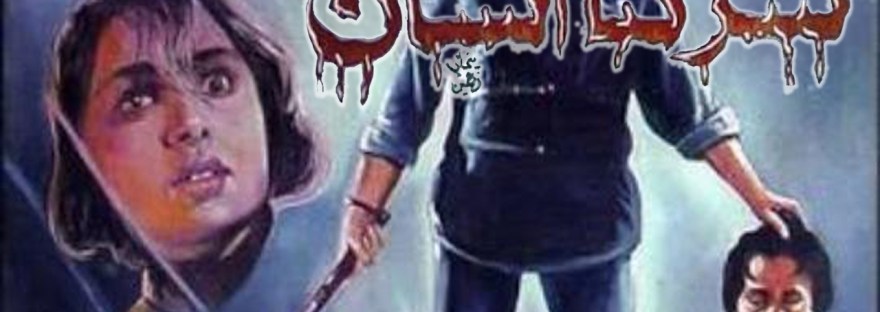
A review on Pakistani Sci-Fi Horror film, Sarkata Insaan (1994) which stars Babra Sharif, Ghulam Mohiuddin and Qavi Khan in lead roles. The film is directed by Saeed Rizvi and is distributed by Al. Farooq Movies.

+ Crew

  • Directed by Saeed Rizvi
  • Written by Rashid Sajid and Iqbal Rizvi
  • Cinematography by Saeed Rizvi
  • Edited by M. Aqeel
  • Visual Effects by Saeed Rizvi
  • Music by Kamal Ahmed
  • Produced by Saeed Rizvi

+ Note

During Zia ul Haq’s rule and thereafter, Pakistani Film Industry fell from grace and was merely producing subpar films which made the cinema attendance drop by significant percentage, cripping the industry further. Fortunately, this also paved the way for local filmmakers to experiment with genres and techniques that Pakistani moviegoers were not aware of. 

In 1988, after watching Robert Zemeckis’ Who Framed Roger Rabbit?, Saeed Rizvi (the director) was also inspired to make a film with similar visual technique, integrating live action with hand drawn animation. This first led to making the low key Pakistani Sci-Fi film Shani (1989) which also starred Babra Sharif. In 1990, Saeed Rizvi declared his next project to be Sci-Fi Horror film Sarkata Insaan. 

The film was set to be released in 1991, with promotional ADs running on local television, proclaiming Sarkata Insaan to be the “first ever Pakistani Horror Film” (even though that statement is false as the ‘first Pak Horror film’ title is held by the Zinda Laash in 1967). Due to numerous delays, the film was eventually released in 1994.

 + Main Cast

  1. Babra Sharif
  2. Ghulam Mohiuddin 
  3. Izhar Qazi
  4. Sapna
  5. Asif Khan
  6. Saeed Khan Rangeela

+ Plot

An Evil Scientist and his henchmen dig up a grave of an unknown deceased man in order to steal his head for an illegal experiment. The severed head is then used to revive a dead body of an ex crime lord who then goes on a murderous spree, proclaimed by many as the ‘Beheaded Man’. 

+ High Points

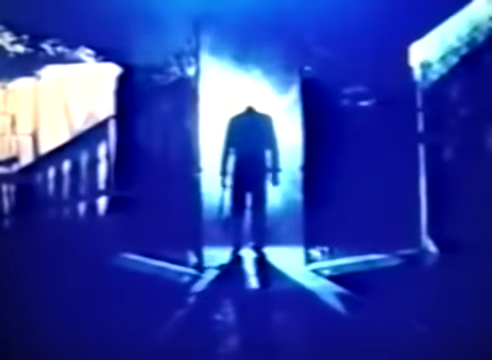
i – As a kid growing up in early 90s Karachi, I remember viewing the promotional Ads of Sarkata Insaan numerous times on National Television. The shot of the gate opening by itself with luminous lighting, dark shadows and there, stood the headless man with an axe in one hand and his head in the other. It was such a great visual for a gorey low budget horror film! After watching the film now almost 30 years later, the visual still looks great and undoubtedly the highlight of the film. While the other special effects are hokey and laughable, the visual props of the “Headless body” are excellent. 

ii – After reading up on Saeed Rizvi and his struggles to make a film for the Pakistani Industry in a completely alienated genre like Horror or Sci-Fi, I do sympathize and respect his struggle to realize his vision onto the silver screen. Filmmaking is a very unforgiving Art if you lack funds and support but Saeed Rizvi managed to pull off his vision and make the film that he wanted to. And that is in itself, quite an accomplishment!

iii – The premise of the film is quite interesting and could’ve made for an excellent low budget Horror film! The head of an honest cop fused with the body of a criminal lord! How great of a concept is that? 

iv – In a low budget campy way, the scene (later on in the film) with the headless man in the doorway and the head itself crawling towards the bed was excellently done. It’s one of the very few scenes where the special effects fit perfectly into the film. 

 + Low Points

i – I was fully ready to embrace the film as a low budget campy Horror classic but Sarkata Insaan failed to live up to that expectations by a mile! This film is just plain bad. If you grew up in the 1990s, you could watch it for nostalgic reasons but apart from that, the film is terrible and senseless for all the wrong reasons.

ii – In the 1970s and 80s, numerous emerging talents in Hollywood took up the mantle of creating Horror films on shoestring budgets. Directors such as Sam Raimi, John Carpenter and even later on, Peter Jackson used lack of funds as an advantage to elevate their films into campy Horror genre. So I completely understand if Saeed Rizvi was working on nickels and dimes to make his vision but with talent and intelligence, that could have very well have been masked with numerous filmmaking techniques. Not only that but there also seems to be a lack of attention to minor details. For example, why is there no visible line around the “Headless Man’s” neck whenever he fuses his head onto the body? Its small details like this that make the film rewarding to watch.

Saeed Rizvi and team should’ve been creative about handling complicated Special Effects scenes rather than just having some of the most horrendous, terrible and comical sequences that fails the film in every aspect.

iii – Bad Special Effects can be forgiven due to budgetary reasons but bad screenwriting unfortunately cannot. The script is beyond absurd! Nothing makes sense. The film has no idea what it wants to be; a Sci-Fi, a comedy, action or just a campy horror film? And then, there are the obvious questions;  If the headless body can function on its own, why does it need the head? Since the head is good but the body is bad, why is there not a constant struggle between them? Should’ve been such an interesting concept to explore!

But no, they had to make numerous “comedy” scenes for Rangeela and dance numbers destroy any pacing or plot development that the script was creating. Were these scenes mandated by the financiers or were they part of Saeed Rizvi’s vision? One will never know.

iv – Another baffling decision I feel from the creative side was the lack of any devotion to the Police officer’s past life. As a viewer, it was hard to empathise with him when he was trying to remember his “humanity” as we virtually know nothing about him. Only the fact that he was killed in the line of duty and he had a mother and a sister. And that sadly not enough.

A perfect example could be Robocop (1987) where the audience is first introduced to the character’s family life, gets brutally injured by the band of criminals, is then transformed into Robocop (and in the process, loses his humanity) and then the rest of the film is him trying to remember what it was like to be human.

Character development is extremely important if you want to have a strong payoff at the end.

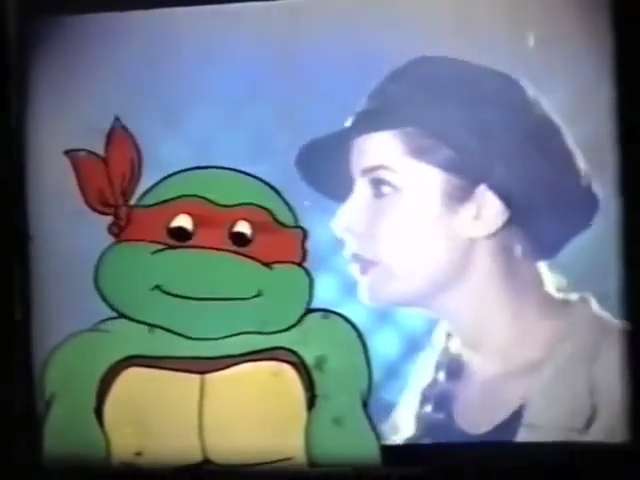
v – Speaking of dance numbers, the infamous ‘Babra Sharif dancing with Ninja Turtle and Pink Panther’ scene. Good God, what is that? Who in their right mind thought that this scene fits into a Sci Fi Horror film?? The animation is beyond terrible, nothing makes sense, Copyright infringement be damned, this whole scene feels like a fever dream! But in a guilty pleasure way, I’m so glad that this exists…

vi – Sarkata Insaan was shot in 4:3 aspect ratio with some of the worst film material I’ve ever seen! Every scene is over exposed, the film feels cheap and disposable. Although its not too bad during night scenes but the day scenes, it’s just awful to watch.

vii – The performances from all actors are over the top and campy (which is really not a complaint from me!) but in regards to the plot, mostly all the characters are pretty useless. It’s fun whenever the headless man is onscreen but the filler, exposition scenes with forgettable characters can easily be skipped.

viii – I’ve always been totally against unnecessarily integrating religious or ultra nationalistic elements into fictional stories and Sarkata Insaan is no expectation. For such a ludicrous plot, it ends up making a mockery of both of these elements.

ix – Coming in at 148 min runtime, the film is waaay too long for such a premise. It should not have been more than 90 minutes as the rest is just nonsense “comedy” scenes or musical numbers which should not have a place in a campy horror film! 

+ Overall

I really wanted to recommend Sarkata Insaan as an entertaining campy horror film but unfortunately in its entirety, the film is not worth anyone’s time. You would be better off watching selected clips off it on Youtube.

Rate: 1.75 out of 5 stars

TV series

Mr. Khan’s Review on Ishq Hai – Episode V & VI (2021)

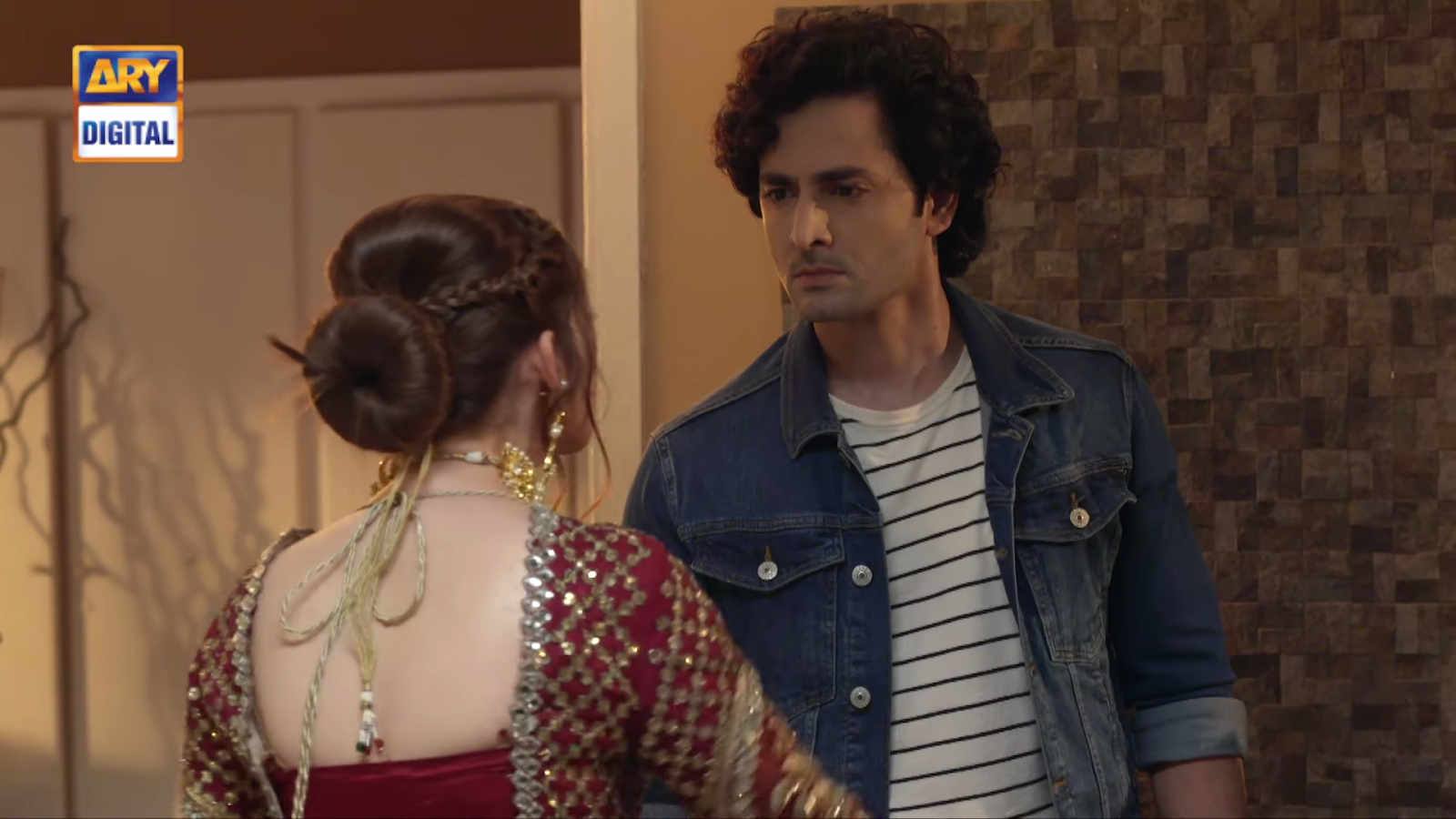
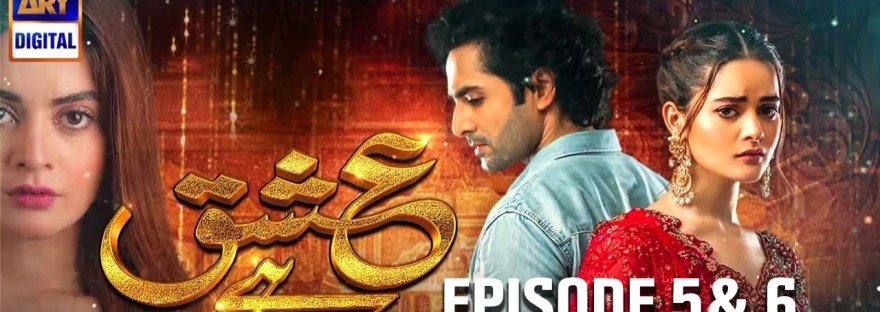
A review on Pakistani drama TV series, Ishq Hai – Episode 5 & 6 (2021). The new TV series is directed by Aabis Raza and written by Rehana Aftab. Ishq Hai is an ARY Digital Production.

(Note: If you’ve already read the review of the previous episode, you can skip directly ahead to the High points section).

+ Crew

  • Directed by Aabis Raza
  • Written by Rehana Aftab
  • DOP by Waqas Ali
  • OST composed by Rahat Fateh Ali Khan
  • Editing by Zeeshan Ali Jokhio
  • Produced by Fahad Mustafa & Dr. Ali Kazmi

+ Note

Ishq Hai is a tale of two lovers, a Shakespearean tragedy set in South Asia where the conflict between tradition and individual freedom comes into play. An age long question within our Pakistani culture; should the tradition of arranged marriage be questioned? How important is the right to choose your own life partner? The drama has a star studded cast of young and veteran actors and is an exclusive ARY Digital Production.

 + Main Cast

  1. Minal Khan as Isra
  2. Danish Taimoor as Shahzaib
  3. Hammad Farooqi as Hammad
  4. Babar Ali as Isra’s father
  5. Hammad Shoaib as Haris
  6. Saba Faisal as Nafisa
  7. Mahi Baloch as Sameera
  8. Sajjad Paul as Raza
  9. Mahenur Haider as Nimra

+ Plot

Isra and Shahzaib are the young lovers in conflict with their respective families. Their parents have already found a spouse for them. Arranged marriage has been a family tradition but against all odds, Isra and Shahzaib want to fight for their love. Will their pure love be able to conquer all?   

+ High Points

i – The plot thickens! The stakes are now raised as to whether Isra should defend her family’s “honour” or fight for her love. Even though Ishq Hai has numerous flaws, it is specifically good at targeting its audience and what would make this show compelling to tune in every week for it. Every earth shattering revelation folds onto the next big issue.

(Warning! Mild Spoilers! of Episode 5 & 6 up ahead. You can skip to Overall section below if you would like to avoid it):

ii – Some of the shots in Episodes 5 and 6 were interesting and complimented the narrative of the show (for example, the shattered glass table and the distorted reflection of Shahzaib on it, reflecting his destroyed happy future that he once possessed). 

 + Low Points

i – The show has been running on Auto Pilot since Episode One. And 5 & 6 are more of the same. Ishq Hai is literally recycled trash from numerous other Soap Opera clichés. Granted, nothing is original in TV shows nowadays but atleast present the same themes but with a different coat of paint. Not every scene needs overexaggerated nasty dialogue, accompanied by “Ahhhhs!” of the Raag singers and ridiculous editing zooms in and outs! As I mentioned in my previous review, if every scene is dramatic then no scene is dramatic.

ii – So the devilish plan of the ‘soon-to-be’ daughter in laws to get revenge on Shahzaib’s family for the humiliation makes no damn sense! So they would rather prefer to still marry them after the humiliation that they faced in Episode 3 at the wedding in front of thousands of people JUST SO they can have the upper hand throughout their whole lives in the Shahzaib family and take revenge on Shahzaib? This is like James Bond’s villain of the week level stupidity. I guess the family has a lot of time to spare so they all can partake in a life-long revenge plan. This is all so ridiculous but hilarious. 

iii – Isra’s sister in law Sameera might be the most ridiculous of them all. So she is envious and frustrated of Isra for ruining her post wedding plans of a honeymoon and all the attention apparently being diverted towards Isra. Why is every character so petty in this show? Sometimes problems arise and they get resolved. Why does she feel the need to hound Isra, snatching her phone, taunting her of her ex lover every single moment of her life? Oh yeah, she is EVIL! Sorry, forgot about that…

iv – None of the characters in the show are sympathetic at all. They are either petty about their problems and take revenge on others or they are too brainless to convey their reasoning. Not to mention the elders in the show just fly off the handle if you even slightly disagree with them! If Ishq Hai wants to promote respecting elders, then the elders should be shown with some common sense in them.

v – Too many scenes where people are confronting one another on the phone. Yes, in the modern world, that’s how it’s done but some things are compensated for so they look better on camera. Two adults (one with constant ear pods in his ears to show how cool he is) blabbing love cliches over the phone is hardly anything exciting to watch on screen.

vi – Speaking of Shahzaib, boy does he come off creepy in Episode Six! There’s nothing more romantic than constantly hounding your ex on the phone, then following her into a shopping mall and manhandling her in a clothing salon while the workers there watch in awe!

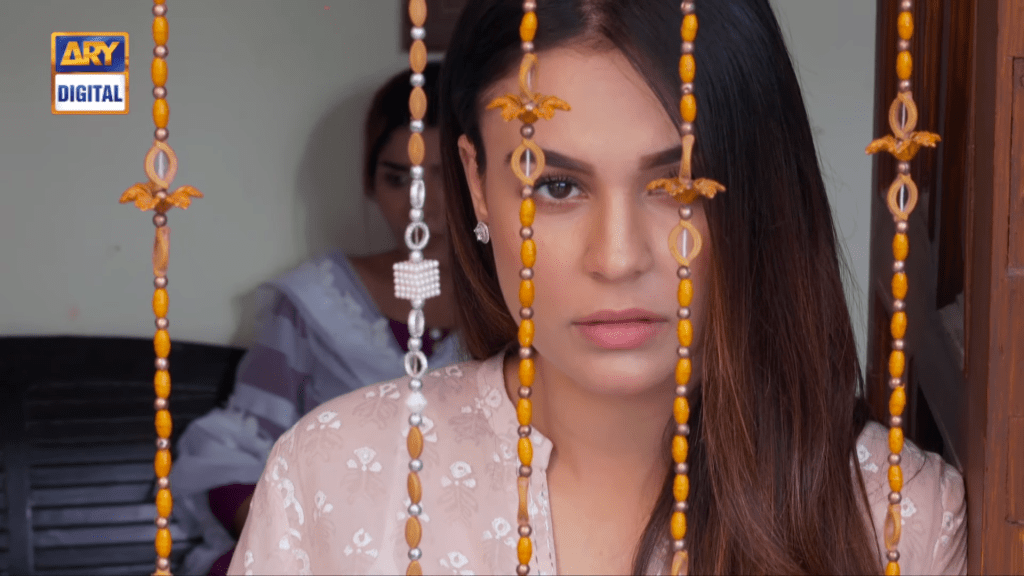
vii – Mahenur Haider as Nimra sadly just gives the worst performance in the show. Her acting is terrible but the whole fault doesn’t lie with her. She is practically given nothing to do throughout the two episodes than stand at the Beaded Curtain and stare into the camera.

+ Overall

Ishq Hai is hilariously awful! Everything is over exaggerated nonsense from the plot to the performances of the actors, the dramatic scenes by now are just comical to watch. And I don’t see this show improving any time soon.

Rate: 1.0 out of 5 stars

Short Films & Documentaries

Mr. Khan’s Review on Sitara: Let Girls Dream (2020)

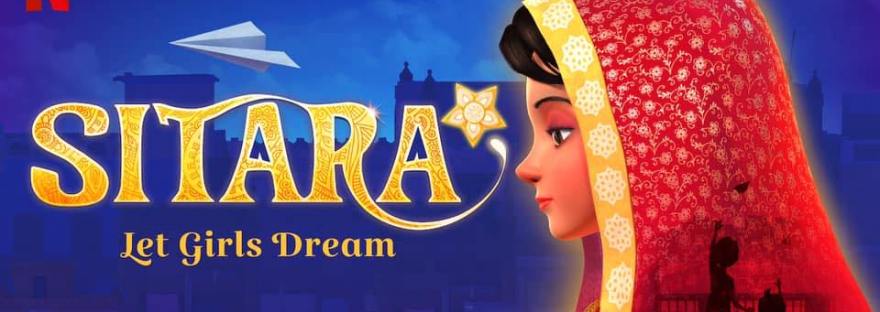
A review on Pakistani short animated film, Sitara: Let Girls Dream (2020). The short animated film is written and directed by Sharmeen Obaid-Chinoy, who achieved international fame by her Oscar award winning short documentary Saving Face in 2012. The film is produced by Waadi Animations and distributed by Netflix.

+ Crew

  • Directed by Sharmeen Obaid-Chinoy
  • Written by Sharmeen Obaid-Chinoy
  • Music by Laura Karpman
  • Produced by Gloria Steinem
  • Produced by Netflix and Waadi Animations

+ Note

Like Sharmeen Obaid-Chinoy’s previous works, Sitara: Let Girls Dream is about the plight of Pakistani women, living in a male dominated society. The film focuses on child marriages which are still prevalent in villages or lower social class families who view their daughters more like a ‘burden’ of being married away as soon as they reach teenagehood. According to Obaid-Chinoy, this project was in mind since the early 2010s as they were eager to make a local animated film but lacked the training and resources. Often, the animators worked by looking up tutorials on Youtube or consulting past Pixar animators for advice. The equipment itself was not fully capable enough to render heavy animated sequences and would take days to finish. But by 2019, Sitara became the first Pakistani animated film to be produced by Netflix USA. 

The film was released on 8 March 2020 and won 3 awards at the 2019 Los Angeles Animation Festival, for Best Produced Screenplay, Best Music Score and the Humanitarian Award.

+ Plot

The story takes place in 1970s Lahore, where a young girl by the name of Pari, dreams of becoming a Pilot when she grows up. Unfortunately that dream gets cut shot when her father wants her to marry a much older man, thus ending any dreams that Pari had to becoming independent and living her dream.

+ High Points

i – What’s obviously great about Sharmeen Obaid-Chinoy’s work is that she highlights the taboo subject matters that are sadly not discussed in detail in our own land or just merely brushed aside. The subject of child marriages is unfortunately still a regular occurrence in Pakistani society which needs to be addressed on the big screen (or on a widely available platform like Netflix). And Sitara does exactly that.

ii – The backdrop and setting of Lahore is brilliantly realized. The colorful neighborhoods and clothing of the locals really bring a sense of authenticity to the film.

iii – The pacing of the short film was excellent. Every scene had a purpose and flowed well from beginning to end. The team had 15 minutes to achieve it and they managed it splendidly. 

 + Low Points

i – While Sitara is a courageous film to make (regarding the lack of resources and the subject matter), it is still unfortunately lacking in many respects. While the animation can be rated as “good for a Pakistani animated short”, the lighting effects, character movements are still choppy and unnatural. The skin texture seems plastic at best, the whole animation has the ‘uncanny valley’ effect of everything seeming just manufactured. This effect unfortunately was very distracting throughout its runtime.

ii – Another bold move that Sharmeen displayed was the lack of dialogue throughout the film. The script decided on the ‘action speak louder than words’ approach, thereby bringing the subject matter onto the forefront. Sadly, that technique did not mesh well with the script as many scenes felt awkward as if someone just removed dialogues in post production rather than silence complimenting the story itself. I still think it’s great that Sharmeen tried something different but it did not work well with the script or the overall production.

iii – The character designs are nothing unique by the Art Direction department. They all seem generic “Post Pixar” designs which have no uniqueness to their look. When you see films like The Breadwinner (2017) or The Secret Of Kells (2009), they instantly stand out from the rest of the animation films out there. Lack of quality animation can be forgiven due to lack of resources but unique character designs cost nothing more. Why be a Pixar knockoff if you could have a distinctive style of your own? We could easily take inspiration from our own history of miniature Art.

iv – The music accompanying the silent images by Laura Karpman felt uninspired. Perhaps the story needed some traditional instruments like Sitar to flow along the colorful backdrops of Lahore. Karpman’s orchestral music feels very unimaginative and somewhat out of place regarding the traditional Pakistani images of the film.

v – For such a heavy subject matter, the conclusion felt very simplistic and nonchalant. I realize that the director had only 15 minutes to conclude the story but a better, more natural ending could’ve been thought of. I would have preferred if it was 30 minutes runtime, provided that the story had a better closure to it.

+ Overall

Sitara: Let Girls Dream is a step in the right direction for Pakistani animation. Unfortunately, it falls short in many respects when it comes to storytelling and the animation department. A mild recommendation if you liked Obaid-Chinoy’s previous documentaries and are eager to see more of her work.  

Rate: 2.0 out of 5 stars

TV series

Mr. Khan’s Review on Ishq Hai – Episode III & IV (2021)

A review on Pakistani drama TV series, Ishq Hai – Episode 3 & 4 (2021). The new TV series is directed by Aabis Raza and written by Rehana Aftab. Ishq Hai is an ARY Digital Production.

(Note: If you’ve already read the review of the previous episode, you can skip directly ahead to the High points section).

+ Crew

  • Directed by Aabis Raza
  • Written by Rehana Aftab
  • DOP by Waqas Ali
  • OST composed by Rahat Fateh Ali Khan
  • Editing by Zeeshan Ali Jokhio
  • Produced by Fahad Mustafa & Dr. Ali Kazmi

+ Note

Ishq Hai is a tale of two lovers, a Shakespearean tragedy set in South Asia where the conflict between tradition and individual freedom comes into play. An age long question within our Pakistani culture; should the tradition of arranged marriage be questioned? How important is the right to choose your own life partner? The drama has a star studded cast of young and veteran actors and is an exclusive ARY Digital Production.

 + Main Cast

  1. Minal Khan as Isra
  2. Danish Taimoor as Shahzaib
  3. Hammad Farooqi as Hammad
  4. Babar Ali as Isra’s father
  5. Hammad Shoaib as Haris
  6. Saba Faisal as Nafisa
  7. Mahi Baloch as Sameera
  8. Sajjad Paul as Raza
  9. Mahenur Haider as Nimra

+ Plot

Isra and Shahzaib are the young lovers in conflict with their respective families. Their parents have already found a spouse for them. Arranged marriage has been a family tradition but against all odds, Isra and Shahzaib want to fight for their love. Will their pure love be able to conquer all?   

+ High Points

i – Drama, drama! The episodes 3 and 4 were cranked up to 11 straight away! If you’re into crazy, over the top melodrama then these two episodes will bring you much entertainment and excitement in the continuing love saga of Isra and Shahzaib.

ii – Most of the episodes take place at wedding (or similar) ceremonies so the atmosphere was well designed and constructed for the scenario. Due to budgetary reasons, most dramas have minimal wedding set designs which end up looking cheap and unrealistic but Ishq Hai really went all out with the wedding setup. 

 + Low Points

i – By episode 3 and 4, it is obvious that Ishq Hai caters to an audience who love exaggerated melodrama in their shows with minimal plot and storyline. In that respect, I can understand why people would be eager to watch this show every week. But as a reviewer, it is my job to criticize the show based on all the merits that the show possesses and unfortunately, Ishq Hai fails pretty much in all departments. Let’s start with the unrealistic setups. The epic confrontations between two families have already occurred in episode 3 and 4, in front of hundreds of guests who inadvertently became part of this situation. Even if Shahzaib forced the situation onto his parents, any self respecting family would’ve tried to at least steer the conversation in close doors but where’s the fun in that? Pretty much every major character got their dramatic dialogue delivery in order to address the obvious situation. The conflict of the show seems so forced and ludicrous. For the guests in the background, they all seemed unphased by the whole situation (as if this is a daily occurrence in the world of Ishq Hai). I have to admit, I had to chuckle a couple of times throughout these scenes as they were mostly so unapologetically dramatic and in turn, hilarious!

ii – The acting (while not terrible) is subpar by pretty much everyone in the cast. They all just commit to the bare minimum that the director Aabis Raza requires of them. It’s also a bit disheartening to see Saba Faisal, who just came off from a strong performance in Raqeeb Se (where she really got to flex her acting chops) is now back to spineless shows like this one.

iii –Ye Ishq Hai! Ye Ishq Hai!” . The chorus of Rahat Fateh Ali Khan’s OST will be hammering you every living second of the show. The show itself has no faith in its product so they use slow motions, close ups and over lingering Soundtrack to overcompensate. These techniques make me take the dramatic elements of the show even less seriously.

iv – The show fails in its dramatic scenes having an impact with its audience because every scene in these episodes are treated as a “vital” scene to the show with overbearing music and epic slow motions of the reactions from the cast. If every scene is treated as such within 90 minutes of the show’s time then it very quickly loses its impact on its audience. I became desensitized pretty quickly after the first one since that’s the only trick in the book the show can unfortunately throw at me to grab my attention. Ishq Hai desperately NEEDS better pacing out its exposition and dramatic scenes. Not every scene should be treated as the finale of Lord Of The Rings Trilogy.

v – For some ludicrous reason, the show decides to heavily focus on Nimra’s reactions when Shahzaib confronts his parents with Isra. Why??? The audience has hardly spent any time with her, why all of the sudden, is she the center of attention? 

vi – Sadly, none of the characters are interesting enough for the audience to care for. They are literally two dimensional cutouts of themselves whose sole purpose is to spout ridiculous (and hilarious) dramatic dialogues. The writer Rehana Aftab has done a terrible job in representing any of her characters with some sort of relatability. 

vii – Way too many scenes where our main protagonists are just pondering while the Soundtrack blares over his or her head. I wonder how they get any of their work done if that’s what they spend half of their day accomplishing.

+ Overall

Oversimplistic, over the top, cheesy plotline with comical in all the wrong places, Ishq Hai fails to be anything special from every aspect of storytelling.

 Rate: 0.75 out of 5 stars

TV series

Mr. Khan’s Review on Ishq Hai – Episode I & II (2021)

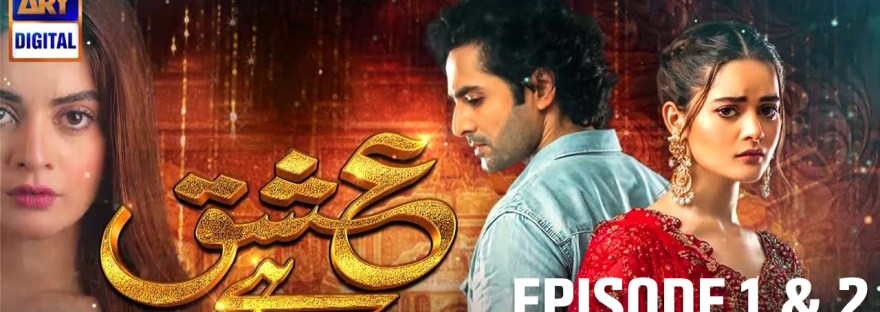
A review on Pakistani drama TV series, Ishq Hai – Episode 1 & 2 (2021). The new TV series is directed by Aabis Raza and written by Rehana Aftab. Ishq Hai is an ARY Digital Production.

+ Crew

  • Directed by Aabis Raza
  • Written by Rehana Aftab
  • DOP by Waqas Ali
  • OST composed by Rahat Fateh Ali Khan
  • Editing by Zeeshan Ali Jokhio
  • Produced by Fahad Mustafa & Dr. Ali Kazmi

+ Note

Ishq Hai is a tale of two lovers, a Shakespearean tragedy set in South Asia where the conflict between tradition and individual freedom comes into play. An age long question within our Pakistani culture; should the tradition of arranged marriage be questioned? How important is the right to choose your own life partner? The drama has a star studded cast of young and veteran actors and is an exclusive ARY Digital Production.

 + Main Cast

  1. Minal Khan as Isra
  2. Danish Taimoor as Shahzaib
  3. Hammad Farooqi as Hammad
  4. Babar Ali as Isra’s father
  5. Hammad Shoaib as Haris
  6. Saba Faisal as Nafisa
  7. Mahi Baloch as Sameera
  8. Sajjad Paul as Raza
  9. Mahenur Haider as Nimra

+ Plot

Isra (Minal Khan) and Shahzaib (Danish Taimoor) are young lovers in conflict with their respective families as their parents have already found a spouse for them. Arranged marriages has been a family tradition but against all odds, Isra and Shahzaib want to fight for their love. Will their pure love be able to conquer all?   

+ High Points

i – Ishq Hai checks all the right boxes when it comes to making engaging Soap Opera. Young lovers who have to fight for their right to be together and in the process, gain their respective families’ approvals. If you find this enticing and entertaining television then this is the show for you.

ii – The setup of the two opposing families has a colorful cast and can potentially be utilized for interesting dynamics and plot points later in the show if the creative team plays their cards right.

 + Low Points

i – Just by the first two episodes, one could tell that Ishq Hai has absolutely nothing original to offer. Its run of the mill, mediocre writing and storytelling, lovers whose families don’t approve of them being together (yawn). The writer Rehana Aftab could’ve at least attempted to try a different spin to this age long ‘Romeo and Juliet’ tale. Something that could wake the viewers up from an age long slumber of mediocre Pakistani soap operas but nope, putting effort into your work is for the weak. 

ii – This is the actual synopsis of the show on the ARY Digital youtube channel:

“Ishq Hai is a love story of a boy who is madly in love with a girl. Going against all odd to achieve his love.”

Take the name “Ishq Hai” out of the equation and this could be ANY OTHER show on Pakistani television at the moment. This should be a strong indication how the show is lacking any sort of originality for its viewers.

iii – Absolutely none of the characters are interesting. They are all cardboard cutouts of the same tropes, the same cliches you see in every other Pakistani Soap Opera. None of the main cast has any personality or quirk that could distinguish them from anyone else. Their characterization and motivations all stem from the writer wanting them to act according to the plot and not the other way around. It’s the storyline that makes the decisions for them in the show and not their individual personalities. Its lazy, mediocre writing that should have no place in the creative field of television. 

iv – All the actors just resuscitate their lines for each scene. The acting ranges from decent to terrible. And I really can’t blame the actors for their bland performances if the writing and direction is so utterly uninteresting. Even Sir Anthony Hopkins can’t make this garbage fly.

v – Ishq Hai has got to have the most substandard excuse of conflicts in a show that I’ve ever seen! Upon learning that their daughter or son has someone already in mind to marry, their characters just (with a flip of a switch) change their personalities so that some conflict could be presented to the show. First of all, judging from their surroundings, they obviously come from rich social classes which usually allows a bit more freedom to choose their life partners as compared to other lower social classes of Pakistan. The ridiculousness lies in their parents as they already decided on the arranged marriages without even consulting their child. And then, they are shocked that their child already has someone in mind. There was no discussion, no arguments, just overly exaggerated reactions which seemed utterly unrealistic in the context of the show. Have the families meet first, let the conflict grow before you execute it.

vi – The show is not particularly pleasant to look at. The locations and colors have no sense of direction, just big mansions, lavish furniture and gorgeous actors for the viewers to ogle at.

vii – Too many dramatic pauses, overbearing music which overwhelm any emotions that you could make out from the actor’s performances. This clearly shows that the creative team has no faith in their stars to convey their emotions to the viewers with their acting chops. Everything needs to be big and epic and loud, regardless of the context of the scene!

viii – Speaking of bad music, its surprising to see that Rahat Fateh Ali Khan’s OST is on par with this show’s creativity; utterly mediocre and uninspired.

ix – There is also an unnecessary mandate by the creative team to have a massive line of supporting cast. Most of them (in the first two episodes) had pretty much nothing to do. They were all relegated to the sidelines and contributed nothing to the overall plot. The first episode began with two sisters, scheming how they plan to get married in the same house and live like princesses. And then, nothing. It did not get mentioned, we never even get to see the two sisters interact afterwards. Usually an opening scene of a film or drama should address the main plot of the show or introduce the main cast. This did neither and was completely superfluous. 

+ Overall

The premiere episodes of Ishq Hai had nothing to offer. Bland acting, terrible writing and mediocre direction. You would be better off watching paint dry.

 Rate: 1.0 out of 5 stars

Tele-Films

Mr. Khan’s Review on Neeli Dhoop (1994)

A review on Pakistani longplay Drama, Neeli Dhoop (1994). The PTV classic longplay is directed by Nariman and is written/ starring the veteran actress of Pakistani Industry, Bushra Ansari. The longplay also stars Sajid Hasan and Nighat Chodhri. This telefilm was aired on Pakistan Television in 1994.

+ Crew

  • Directed by Nariman
  • Written by Bushra Ansari
  • Edited by Fakhar-ul-Hasnain Zaidi
  • DOP by Salman Naji, Ibnul-Hashim and Mohammad Moiz Khan
  • Music Composed by Javed Allah Ditta
  • Produced by Meera

+ Note

Neeli Dhoop is the debut of Bushra Ansari as a writer for Pakistani Television. The longplay deals with such heavy themes like late marriage and the societal complications that come with it. Just by viewing the longplay, one could tell how personal the project of Neeli Dhoop was for the veteran actress. With the direction of the elder daughter of Bushra herself, Nariman brings the camera up close and personal, challenging the norms of a society and misperception regarding customs and religion. According to a DAWN newspaper interview of Dec 19 2010, Bushra Ansari came up with the script after she met a woman in a similar situation about 12 years ago before the release of the longplay. Upon release, Neeli Dhoop was relatively a critical and commercial success.

 + Main Cast

  1. Bushra Ansari as Nasira
  2. Sajid Hasan as Mansoor
  3. Nighat Chodhri as Rani
  4. Shahood Alvi as Shahood
  5. Arjumand Rahim as Naveeda
  6. Faryal Ali as Mano
  7. Mubassir Khan as Mrs. Barki
  8. Shahzad as Pervez
  9. Nilofar Khan as Shaila

+ Plot

Nasira (Bushra Ansari) is content with her life or at least she thinks she is. Although she became a widow some decades ago, she is happy to see their daughter start a family of her own. But with each passing day, the solitude of old age creeps upon her. After a marriage proposal from her cousin Mansoor (Sajid Hasan), Nasira reluctantly accepts it but ends up being mocked and ridiculed by the society and people around her. 

+ High Points

i – I don’t think anyone can start this review without addressing the controversial subject matter of Neeli Dhoop. Back in 1994, this was such a daring topic to engulf upon the Pakistani audience. Although the concept of late marriage is approved by Islam, it is still a controversial subject to bring upon the dinner tables of all Pakistani households. If a woman lost her husband at an early age and decided to not remarry right away, she is forever damned to remain lonely and unhappy for the rest of her life rather than finding happiness on her own later on in Life. High Art is a concept which is supposed to challenge the viewer’s perception on life and his/ her surroundings and Neeli Dhoop’s unapologetic wallop with the face of truth makes it such an engaging watch. Personally, I miss 90s Pakistani Television where they dared to be bold and different, where the only subject for each drama wasn’t a “love triangle” between three handsome co-stars. The content made you think, left a lingering thought long after the show was over. And Neeli Dhoop does exactly that.

ii – While also serving as the writer for the longplay, Bushra Ansari is enigmatic and fully in control of her performance as always. It is admirable how easily she could mold her acting skills with each passing scene, creating a concucment of happiness and despair. Perhaps an obvious statement but a longplay like this would’ve never worked if not for Bushra Ansari’s meticulously calculated performance.

iii – But all is not gloomy and dark, Sajid Hasan brings a much needed levity and comedic relief to the longplay. Whenever onscreen, Sajjid is fun to watch but most importantly, the quips and jokes never overstay their welcome. They are pretty much timed according to where the script could serve best. Watching two veterans of Pakistani television; Bushra and Sajjid on screen together is always a delight for the viewers.

iv – It is hard to imagine that this was Bushra Ansari’s first ever debut script for Pakistani television. The scenes blend well with each other, creating a perfect narrative flow throughout its 90 min runtime. But most importantly, it is the dialogues that are incredibly down to earth, giving the viewer a sense of “familiarity” and a certain attachment to its characters. They transcend beyond “written literature” and are casual enough for the audience to undoubtedly relate to the characters they are witnessing onscreen. Some of the off-hand jokes and observations of Sajjid Khan genuinely made me chuckle. 

v– The interactions between characters feel real. They never come off staged or exaggerated to enhance the audience’s perception of the emotions that the longplay is conveying. It never insults your intelligence nor does it look down upon you. Perhaps the greatest accomplishment of Neeli Dhoop is that it encourages you to elevate yourself and look at the longplay straight in its eyes and choose to either admire it or hate it.

vi– While giving away no spoilers, the ending pulls no punches. The longplay ends exactly how it was meant to be; bold and uncompromising. With all honestly, I really admire Bushra Ansari to take the high route and not succumb to false, unrealistic resolutions.

 + Low Points

i – Since Neeli Dhoop is a 90s production, it does have the obvious 90s production tropes. The camerawork is insipid, mainly working with mid close to close ups of actors, music is forgettable, sound design is non-existent. Neeli Dhoop solely works as a longplay solely due to its tight script and performances. 

ii – While I did praise the conclusion for its boldness, it does admittedly feel a bit abrupt with many threads left tangled. But I suppose that’s how real life is. A minor complaint but perhaps a better resolution was needed between characters that we grew to love and care about. I wasn’t expecting them to ride together into the sunset but I suppose some vital questions were deliberately left unanswered, mainly the daughter and mother relationship at the end.

+ Overall

“They don’t make them like they used to!”. Nope they sure don’t. With so much monotony and insipid TV shows of today, Neeli Dhoop blows all of them out of the water with its bold and courageous storyline and characters. It is a hidden gem that every Pakistani drama lover should watch.

Rate: 4.5 out of 5 stars

Short Films & Documentaries

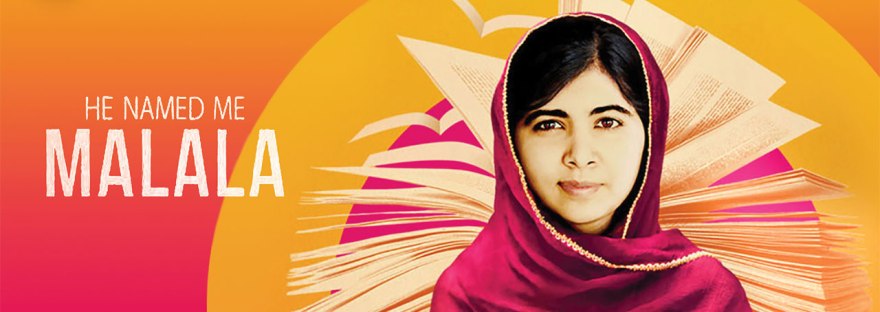
Mr. Khan’s Review on He Named Me Malala (2015)

A review on American Documentary film, He Named Me Malala (2015) based on the Pakistani Human rights activist Malala Yousafzai. The film is directed by Davis Guggenheim and is distributed by Fox Searchlight Pictures and National Geographic Channel.

+ Crew

  • Directed by Davis Guggenheim
  • Cinematography by Erich Roland
  • Music by Thomas Newman
  • Edited by Greg Finton, ACE, Brian Johnson and Brad Fuller
  • Produced by Walter Parkes, Laurie MacDonald and Davis Guggenheim
  • Produced by (Production companies) Imagenation Abu Dhabi FZ and Participant Media

+ Note

Under Guggenheim’s direction, we get to see Malala, not only as a role model for many young girls all over the world, but also in her home interacting with her family. She shares her personal experiences living in a foreign country while unintentionally serving as a “controversial figure” within her own homeland. By learning the ways of the West, Malala wants to also promote her own customs and religion, serving as the “tolerant” face of Islam. Her social activism includes travelling to different parts of the world such as Nigeria, Syria and many other war torn countries. The documentary includes short animated sequences, depicting the origin of her name and her past life in the Swat Valley. We also get to see many unseen family photographs of hers and also how her father’s activism has been a major influence on herself while stating that being a “female role model” was a decision of no one but herself.

 + Main Cast

  1. Malala Yousafzai
  2. Ziauddin Yousafzai

+ Plot

He Named Me Malala follows the life of young Malala Yousafzai who, while attending all girls school in Swat Valley in KP, Pakistan, was shot and injured by the Taliban. After recovery, Malala and her family (due to relentless threats from the Taliban) decided to stay in England while continuing on as a role model for Female education throughout the world. In 2013, Malala Yousafzai was awarded the Nobel Peace Prize and became the youngest recipient of the prestigious award. 

+ High Points

i – Malala is undoubtedly considered a divisive figure in Pakistan where the opinions reign strong from “the resistance of female empowerment” to “a propaganda piece for the Western Media”. In his documentary, Guggenheim tries to explore the “girl” behind the persona. What makes her happy, what does her family and her younger brothers mean to her, does she like living in the UK, what celebrities does she have a crush on. This undoubtedly “humanizes” Malala for the viewer and gives a chance for us to relate to her. In Spite of so much media coverage, Malala does come off as an extremely likeable young woman who not only wants to fight for Women’s rights but also live a normal, happy life with her family. No matter what your views are on her, no one can deny that every person on planet earth deserves that.

ii – The animated story sequences work quite well in conveying almost “fairy tale” like elements of storytelling. The tale of how she got her name and what it represents tied brilliantly to the overarching narrative of the documentary. The art style is also a subtle, crayonic portrayal of landscapes which blurs the line of fiction and reality.

iii – By interviewing the whole Yousafzai family, one gets to learn the roots of activism that stems from their blood. Perhaps in some way, fate had a strong hold in diverging Malala to this path of activism. But at the same time, Malala does not stray away from her past. Her stance on “peaceful Islam” and her being a role model for it is shared within her family (especially her father). Whether much truth was into this angle of documentary is anyone’s guess but was undeniably effective for the documentary in the long run.

iv – The music accompanying the visuals were subtle but melodic. Thomas Newman did a wonderful job in conveying the buried emotions of Malala on being forced to leave her homeland and pursue her goals in changing her own homeland from a distance.

 + Low Points

i – Going into this documentary, I was weary of the fact that how much of the different facets of truth Guggenheim is willing to depict in his documentary and the answer is an unfortunate; not many. The documentary plays it quite safe, never changing the subjects or status quo of the western media. Due to this safer route, the documentary does come off as bland and uninteresting in the long run. There is a short scene where Malala meets President Obama and the director asks Malala “Did you ask him about the drone strikes?” to which, she replies “Of course I did!”. Why was this not expanded upon? What is her view on this? Why was her hometown Swat Valley infested with conservative monsters like the Taliban? Should the western powers be held accountable for the rise in extremism in Pakistan? But most importantly, what does Malala think of all this? It’s nice to see Malala being a normal, teenage girl but what are her own political goals in Life? How does she believe that extremism can be eliminated in Pakistan or in the Middle East? Its all just surface level themes and ideas like “Tablian bad, Women’s Education good”. As a viewer, I didn’t really understand the ideology that Malala believes in. Only what she wants to accomplish. Sometimes the way is even more vital than the destination.

ii – Speaking of Hoggwash, there was unfortunately no political or historical backdrop given to any of the events mentioned in the documentary. How were the Taliban able to gain strong control in the KP region? Or perhaps mentioning why the KP region in Pakistan has always been a region of conflict. And most importantly, how the northern areas of Pakistan vastly differ from the majority of Pakistan. For the western audience, most cannot differentiate Pakistan from the Middle East so when they hear Tablian beheading people for speaking against them, attacking families who let their girls get proper education, they would most likely believe that the whole of Pakistan is engulfed in extremist war of ideologies. It’s a lazy, self fulfilling ideology of most Western media who are solely interested in war torn set pieces of the East without any real context or the bigger picture. Sadly, He Named Me Malala is another cog in the deranged western perception of Islam and the East.

iii – For around 90 min runtime, the film did not have enough material to follow through its runtime. 50 minutes in, I was checking my watch as the themes of Malala’s traumatic past became repetitive. The story itself is fantastic for film and well worth being told onscreen but perhaps He Named Me Malala would have served better as a television length documentary rather than a feature length one.

iv – He Named Me Malala was never egregious in any way but if you have kept up with the news, I don’t think you will learn much about her than you already know. The documentary is not ground shattering by any stretch of the imagination but after watching till the end, I did not feel rewarded at all.

+ Overall

Whether you see Malala as a role model for women all over the world or a figure of western media propaganda, He Named Me Malala depicts the human side of a young girl who wants to live a happy, meaningful life. But admittedly, the documentary could’ve been so much more than it ended up being.

Rate: 3.0 out of 5 stars

Tele-Films

Mr. Khan’s Review on Do Bata Aath (2021)

A review on Pakistani telefilm Comedy, Do Bata Aath (2021). The TV film is directed by Kamran Akbar Khan and is written by Rizwan Hassan. The telefilm stars the comedian Ahmad Ali Butt and Maria Wasti as leads with Ahmed Hassan and Zhalay Sarhadi serving as supporting cast. As the name suggests, the telefilm also includes eight child actors. Do Bata Aath is a Momina Duraid/ HUM TV Production and was aired on the 3rd Day of Eid-ul-Fitr 2021 Special.

+ Crew

  • Directed by Kamran Akbar Khan
  • Written by Rizwan Hassan
  • Cinematography by Abdul Qadoos
  • Editing by Sheeraz Fayaaz
  • Produced by Momina Duraid
  • Production House: MD Production

+ Note

Do Bata Aath serves essentially as a 75 min situational comedy, where the comedic antics are always connected to the vast number of children that the married couple has. The premise can be attributed to a Hollywood comedy classic of the 2000s Cheaper By The Dozen (2003) starring Steve Martin and Bonnie Hunt. The telefilm also creates hilarious situations out of handling day to day life in the Faraz Family. Do Bata Aath is presented as the “lighter side of Life” and was a special broadcast on the 3rd day Eid-ul-Fitr 2021.

 + Main Cast

  1. Ahmad Ali Butt as Faraz
  2. Maria Wasti as Aleena
  3. Ahmed Hassan as Faraz’s Boss
  4. Zhalay Sarhadi as Biloo

+ Plot

There’s always fun and trouble brewing in the Faraz Family. While handling eight kids simultaneously with his wife, Faraz (Ahmad Ali Butt) struggles to make ends meet… or even remember the names of his kids or who came before or after. After not being appreciated enough for her efforts, Aleena (Maria Wasti) decides to take an indefinite hiatus off her motherly duties and let Faraz take her place in taking care of the kids instead. Hijinks ensue and now Faraz needs to find a balance between family life and maintaining his sanity in the process.

+ High Points

i – Maria Wasti was probably picture perfect casting as the grizzly, overworked mom of eight children. She not only looked the part but her performance matched well to her character. Probably the least offender from the whole bunch of terrible performances.

 + Low Points

i – Do Bata Aath had ONE joke throughout its entire runtime; “Hey, isn’t it funny that the family consists of EIGHT children?”. And five minutes into the telefilm, this joke got old real fast. For a comedy, there was absolutely nothing funny about this. All the jokes and setups were lazy and uninspired. The writer Rizwan Hassan probably wrote the script in an hour’s time as I refuse to believe any effort was put into this project. It’s nonsensical and unfunny throughout its runtime. You can find more comedy in the evening news than this pile of garbage.

ii – The performances are just way too ridiculous and over the top. Since the dialogue is so abhorrent, the actors are directed to over exaggerate their acting to compensate but ends up making it much worse. I don’t understand what people see in Ahmad Ali Butt but he’s not a good comedian by any stretch of my imagination. When it comes to comedy, Pakistani TV shows/ telefilms just fail miserably at it. Subtlety is not even in the cards, every performance needs to be like they are on an Umer Shareef Theater show. While Theater thrives on exaggerated performances, Television/ Film needs subtlety because the camera is much closer and personal to the actors. Why is this such a difficult idea to comprehend for Pakistani Television Production?

iii – Also the whole family dynamic makes no sense. Unlike Cheaper By The Dozen, all the children are more or less the same age. How is that even possible? Did they adopt kids in between? Were they born in pairs? What possessed them to have so many children if they clearly can’t afford all of them? It also seems obvious that there is no real ‘fatherly love’ to the kids as Faraz half the time doesn’t even remember their names or birthdays. Some context or backstory was needed for this comedy to work but the audience is given no explanation. The idea was there but absolutely nothing was built upon it. The whole telefilm relies on cheap comedy antics from its co-stars.

iv – Of all the performances, Ahmed Hassan as Faraz’s disgruntled boss was the worst. I felt literally embarrassed whenever he was onscreen. I hope he made some good money from this telefilm because this is one performance he can never live down.

v – NOISE. That’s what this telefilm is. And I don’t mean just the kids shouting all the time (although that would’ve been fitting to the premise). NOISE equals Background music here. By having constant Music running in the background of every single scene without a second’s rest, the telefilm made it perfectly clear that they had absolutely no faith in their writing and performances to maintain their audience’s attention span. It’s the “shaking of the keys in front of a cat” syndrome, HUM TV knows its garbage television and they have to try everything to keep viewers from changing channels.

vi – Speaking of Production, the camerawork and editing is just awful and unpleasant to look at. Most scenes just begin with a closeup on the actors without giving any indication to the audience where exactly the scene is supposed to be taking place in.

+ Overall

Do Bata Aath is just another uninspired mess of a telefilm which is neither funny nor creative. Its 75 minutes of my life that I will never get back.  

Rate: 0.75 out of 5 stars

TV series

Mr. Khan’s Review on Raqeeb Se – LAST EPISODE (2021)

A review on Pakistani drama TV series, Raqeeb Se – Episode 23 (2021), the FINAL EPISODE of the series. The new TV series is directed by Kashif Nisar and is a production of Momina Duraid Productions. Raqeeb Se is a HUM TV Production.

(Note: If you’ve already read the review of the previous episode, you can skip directly ahead to the High points section).

+ Crew

  • Directed by Kashif Nisar
  • Written by Beegul
  • DOP by Hassam Mairaj
  • Music Composed by Hadiqa Kiani
  • Produced by Momina Duraid Productions

+ Note

Raqeeb Se is the newest HUM TV Production and is once again the collaboration of the award winning Writer/ Director duo of Bee Gul and Kashif Nisar. 

The title of the show is heavily inspired by a poem from the legendary poet Faiz Ahmed Faiz when the young poet fell in love with a girl next door in Sialkot. But alas, as luck would have it, she one day unexpectedly left the city, only to be reunited years later when Faiz was already an established poet in the circles of Urdu literature. This encounter inspired Faiz to write a poem “Raqib Se!”. The backstory of this poem plays a crucial role in the premise of the show.

 + Main Cast

  1. Hadiqa Kiani as Sakina
  2. Noman Ijaz as Maqsood
  3. Sania Saeed as Hajra
  4. Faryal Mehmood as Insha
  5. Iqra Aziz as Ameera
  6. Saqib Sameer as Rafiq

+ Plot

Raqeeb Se is a call of Maqsood’s dark past that could potentially destroy his present life. In order to escape her abusive husband, Sakina, along with her daughter Ameera, flees from her village to find shelter at her former lover’s place, Maqsood. Unfortunately Maqsood, who still holds a grudge against Sakina’s past actions, refuses to aid her in her most dire situation. But his wife, Hajra, seems much more sympathetic to the situation and lets Sakina stay at their home till things are figured out for the future.

But can Sakina be trusted to stay out of Maqsood’s life or will they be tempted to rekindle their lost love and in the process, destroy what Maqsood and his wife Hajra have built together?

+ High Points

i – The final episode brilliantly wraps up the loose threads and ends the series on a well deserved high note. Episode 23 was everything good about Raqeeb Se as a TV series and more. The episode never overreaches its goal and settles in a comfortable space where the audience can admire and ultimately reminiscent being on an emotional journey with Maqsood, Sakina, Hajira, Insha and Ameera. Suffice to say, Raqeeb Se’s last episode more than lives up to its hype. 

ii – Since the previous episode was a showcase of Faryal Mehmood’s talent, this episode was definitely a display of Iqra Aziz’s wide range of acting chops. In the last few episodes, the actress has clearly proven that she could play comedic and darker roles with ease. Ameera, as a character, had the most prominent story arc of all. It’s the coming of age story, followed by the harsh realities that she was (at the time) too naive to understand. 

iii – The conclusion of the show (which I will get to more in the next point) was arguably the right outcome and a perfect send off to this tale of tragic love. Have to admit, I was pleasantly surprised by how neatly Beegul wrapped things up with her characters and the conflicts surrounding them. This is of course a clear indication that regardless of the longevity of the show, the writer was well aware of her destination.

iv – MAJOR SPOILER ALERT COMING UP!!! (If you would like to avoid it, please skip to Overall and Final Thoughts section)

The ending was surprisingly dark and I loved it! The conclusion finally brought new goals and ambitions for its cast of characters:

  • Maqsood finally learns how to act like a father to Insha.
  • Circumstances allow Hajira to finally live a life with her husband without the “obligation” that she needed to fulfill for it. 
  • Sakina comes to terms with her past and learns to look forward in life.
  • Insha, on the other hand, needs to understand more about life and goes on a soul searching journey of her own.
  • But the most unfortunate one is Ameera, who had to endure murder of an innocent man right in front of her eyes. As she lays her head down in a bustling night train, she reminicents the innocence and happiness she once possessed. But that Ameera died with Kashif in that very car. She finally understands what her mother had to go through. Whether she wanted to or not, Ameera is now the new ‘Sakina’. As she now becomes cynical and disenfranchised taking care of her father Rafiq Ali, the vicious cycle of pain and suffering continues.

Every character gets a closure to their situations, some ride off into the sunset while others are introduced to the dark elements of Life.

 + Low Points

i – Honestly, there isn’t much I can criticize about this episode. The only part of the episode which felt rushed was the romance between Kashif and Ameera. They never had much interaction before this episode and I guess Kashif started falling for her off screen? If they had built this romance for a couple of episodes and then the tragic ending is brought into the mix, that would’ve been much more impactful in my book. But in any case, the cold blooded murder was still shocking and was proud of the show that it dared to go in such pitch black direction.

+ Overall and Final Thoughts on Raqeeb Se

I am a firm believer that regardless of how an episodic show flows, the conclusion needs to bring everything together and in the process, reward its audience for sticking with them every step of the way. And Raqeeb Se does exactly that. The show had a fantastic cast, the performances were brilliant all across the board, especially Hadiqa Kiani as Sakina. For a debut performance on prime time television, her performance was nothing short of amazing. I hope we get to see more of her in the near future. The writing (although not consistently perfect) was engaging as we got to set foot into the world of Beegul and her tragic characters for a few months. 

But even with such a great plot and interesting set of characters, where the show suffered for me was its pacing. Raqeeb Se could’ve immensely benefited with less number of episodes (around 13-15) as midway through the show, the episodes dragged on with absolutely nothing happening in between them. Also at times, some back stories were unfortunately not well explained or visually depicted on screen which might have left some viewers perplexed where the story stands. And it’s a shame because Raqeeb Se is unique and dared to be different from the rest of what Pakistani television has to offer. The production, set designs, costumes, everything was marvelous. The show was very uniquely lit with shadows playing a major role in its gloomy atmosphere. A lot of credit goes to the director Kashif Nisar and his production team.  

In the end, Raqeeb Se took us on an emotional journey, the audience could empathize with each of the characters and their dilemmas. And most importantly, the show left us with questions and some lingering thoughts of our own. And that is a sign of a great television show. 

 Rate (Last Episode): 4.25 out of 5 stars

Overall Series Rating: 3.5 out of 5 stars

TV series

Mr. Khan’s Review on Aanch (1993)

A review on Pakistani drama TV series, Aanch (1993). The 13 Episode limited TV series is directed by Tariq Jameel and is a PTV Karachi Center production. In 1993, Aanch was broadcasted nationwide on Pakistan Television.

+ Crew

  • Directed by Tariq Jameel 
  • Written by Naheed Sultana Akhtar
  • DOP by Abdul Majib
  • Produced by PTV Karachi Center

+ Note

Aanch is a TV drama which focuses on social issues like divorce and remarriage. It asked vital questions such as “How is a woman viewed by our society if she files for a divorce from her husband?” and “How are children from a previous marriage supposed to be taken care of under such circumstances?”. For its time, Aanch touched upon a subject matter which was widely regarded as taboo from being screened on commercial television. The drama is based on a novel ‘Behtay Paani Pe Makan’ by Naheed Sultana Akhtar who also acted as the writer to the TV adaptation of it.  Aanch is a showcase of patience, perseverance and in the end, triumph of love.

 + Main Cast

  1. Shafi Muhammad Shah as Jalees
  2. Shagufta Ejaz as Khulfat
  3. Sami Saani
  4. Mehak Ali
  5. Shehla Solangi
  6. Ayesha Khan
  7. Mehmood Ali
  8. Qaisar Naqvi
  9. Farheen Nafees 
  10. Kunwar Nafees 

+ Plot

Jalees (Shafi Muhammad) is wealthy businessman who’s wife Asma recently left him and their three children to grasp the opportunity of living abroad. Worried about his children growing up without a mother, Jaless decides to remarry to a working girl named Khulfat (Shagufta Ejaz). Unfortunately things do not go as planned as the step mother and the children have a hard time accepting each other.

+ High Points

i – Aanch is a drama that just gets better with time. Not just episodically but also with the decades that have passed by. Released back in 1993, marriage and divorce were such bold subjects to explore on prime time television. It is somewhat unimaginable how this drama stood out from the rest of the shows on television at the time. And since Naheed Sultana Akhtar also serves as the writer and adapted the screenplay for television, one could just feel how personal the subject matter was to her. I think having a female writer really helped portray a “feminine” perspective to the show. Divorce has a much stronger connotation on a woman than a man and this fact has been on full display and explored on this show. Aanch steps out of the drama world and portrays a more realistic view of how characters would have adjusted in such emotional turmoil. As the name suggests, Aanch has a double meaning in Urdu. One is “feelings of great warmth and intensity” and other “an open flame”. Both when implemented, can easily ignite a happy family within a matter of seconds. And this is what the show represents.

ii – The writing of the show is superb. The emotions and motivations are brilliantly conveyed through spoken dialogues, none of the lines feel forced or out of character. It is, at times, not easy to translate written dialogue to spoken. Sometimes what sounds good on paper does not translate well spoken but Naheed Sultana Akhtar has done an outstanding job in bringing life to her novel onto the small screen. A lot of credit should go to her writing skills for the success of this classic PTV drama.

iii – It probably goes without saying that Shafi Muhammad Shah and Shagufta Ejaz are simply enigmatic whenever they share a scene together. Even with a tightly written script, I personally felt that (at times), the dialogue was improvised between the actors to bring some further “humanity” into the given predicament. Their characters were so utterly convincing at times that as a viewer, it was hard for me to separate the characters from the actors. On one hand, we see the struggle Jalees (Shafi Muhammad) goes through in order to provide his children with a stable upbringing while on the other hand, one could also sympathise with Khulfat (Shagufta Ejaz), who was somewhat forced into this marriage by her family, with children that she has no connection with, the offsprings who just plain refuse to accept her as their new mother. Through their brilliant performances, Shafi Muhammad and Shagufta Ejaz make the conflict clear for the audience to follow and empathise with both sides at the same time. And that is not a small feat to accomplish.

Also I do have to admit that the School of Acting that Rahat Kazmi or Shafi Muhammad Shah came from is unfortunately a lost Art now. Taking nothing away from the actors of today, there was a particular sense of “humanity” that was present in such performances that make these classic dramas so entertaining to revisit time and time again.

iv – Also the supporting cast plays a vital role to the success of the show, particularly Mehmood Ali. His performance really permeates throughout the show as the “voice of reason”. His performance had to be good in order for the show to work and he made every second of the show count.

v– Even the “B story” of the show was interesting and well intertwined with the overall narrative of the show. This is a problem that many episodic TV shows face to balance but Aanch is a textbook example of how it should be handled.

vi– Only 13 Episodes long! A lot of shows have a given quota to prolong the show but Aanch knew the limits of how far the story should be stretched and as a result, the narrative feels tight, responsive and no scene or episode feels dragged or out of place (with exception to one in particular). A lesson MANY television shows of today can learn from.

 + Low Points

i – Although the subject matter and the performances are arguably ahead of its time, the production of the show (unfortunately) is not. Yes, as a reviewer, I should be more forgiving for the TV shows produced in the 90s but some odd production choices did (at times) ruin a dramatic scene which sadly just came off a tad bit comical. Take for example the first episode, there is an intense dramatic scene where Jalees’ first wife is having an argument with him, Jalees blurts out “SHUT UP!”, followed by an exploding (?) building with intense lightning??? Honestly, I just had to laugh at that. Thankfully, this technique was never repeated in the latter episodes. But it is what it is. A product of its time. The camerawork is uninspired, sound is at times muddled, the budget (and the skills behind the camera) were probably not much to brag about. So if you plan on revisiting Aanch (which I wholeheartedly recommend), watch it with an open mind.

ii – The child actors were not particularly good. I’m sure Kunwar Nafees tried his best with what was given to him but none of them felt convincing to the immediate narrative of the show. When you compare their performance to shows like Ankahi (1982) and Faisal Bilal as Jibran, his performance was leaps and bounds ahead. Whenever the scene with child actors came on, I felt being taken out of the show a bit. Unfortunately the director Tariq Jameel is also at fault for not bringing out the best performances from his young actors.

iii – The dialogue is too intermingled with English. On the surface level, I realise that is an odd criticism to make since normally, Pakistanis mix the two languages (Urdu/ English) a lot but sometimes, what works in the real world doesn’t necessarily work on the Television screen. The constant switching of languages (especially by the child actors) was very distracting. A few English words sprinkled in between Urdu sentences is not an issue at all but complete English sentences during Urdu dialogues was very jarring for me as a viewer.

iv – The final episode was basically a clip show from all the previous episodes. Even though I praised the show for being concise with its number of episodes, the clip show just felt like either they ran out of story to tell or they didn’t want to spend money so the creative team decided to rerun their past scenes in between. Either way, the final episode can largely be skipped.

v – SPOILER ALERT!!! (In the next point, I will talk about the ending of the show. You can skip directly to Overall if you would like to avoid it):

For the most part, Aanch has a great balance between the two opposing sides but as the show progresses, the sympathies eagerly lean more towards the husband’s side of the story. In my opinion, both sides were at fault, why did Khulfat have to be the only one to apologize? Just because her husband gave a favorable testimony for her in court, doesn’t automatically clear him off his own mistakes.

Khulfaat was also mistreated by her step children, threatened and verbally abused and the husband did particularly nothing about it. I felt he also needed to step up and apologize for his mistakes of not handling his children well. As the conclusion of the show goes, the idea of the woman not appreciating what she had is prominent much more than the husband who was also at fault.

This conclusion is not bad by any means but it could rub the modern viewers the wrong way and some could even take the wrong “lesson” out of this story.

+ Overall

With such a bold and interesting subject matter to explore, Aanch is a show that was well and truly ahead of its time. Whenever people talk about the “golden days of Pakistani Television”, Aanch is definitely one of the shows that comes to my mind.

 Rate: 3.75 out of 5 stars