Mr. Khan has completed his 1st Masters in Business Administration (Marketing) from Bahria University and 2nd Masters in TV Production from SZABIST. He has also done short course in Film Direction from SAAMPT (South Asian Academy of Motion Pictures Arts & Television) and worked previously in many short, thesis films as an actor and writer.
A review on Pakistani drama TV series, Laapata Episode 5 & 6 (2021). The new TV series is written and directed by Khizer Idrees. Laapata is a Momina Duraid Production and currently airs on HUM TV.
(Note: If you’ve already read the review of the previous episode, you can skip directly ahead to the High points section).
+ Crew
Directed by Khizer Idrees
Written by Khizer Idrees
Produced by Momina Duraid Productions
+ Note
Laapata is a comedy/ drama which focuses on young love who aspire to fulfill all their wishes in Life. The drama also highlights modern obsessions with social media such as Tik Tok and its impact on the Pakistani youth of today.
The writer/ director of the show, Khizer Idrees is most well renowned in the TV industry for his work as a Cinematographer for films such as Manto (2015) and Verna (2017).
+ Main Cast
Ali Rehman Khan as Shams
Ayeza Khan as Geeti
Gohar Rasheed as Daniyal
Sarah Khan as Falak
+ Plot
Shams (Ali Rehman Khan) loves Falak (Sarah Khan) and they predict something big for their future. On the other hand, Geeti (Ayeza Khan), the big Tik Tok star, is always looking for a new toy to play with. After being faced to decide upon her secure future, Geeti might have her eyes now set on someone… and that someone could perhaps be Shams?
+ High Points
i – Episodes 5 and 6 have taken a more serious and logical approach towards the concept of “Laapata” and families who have lost their loved ones in such fashion. While its not an outstanding case study of “lost” family members, at least it has been given some level of seriousness that it deserves.
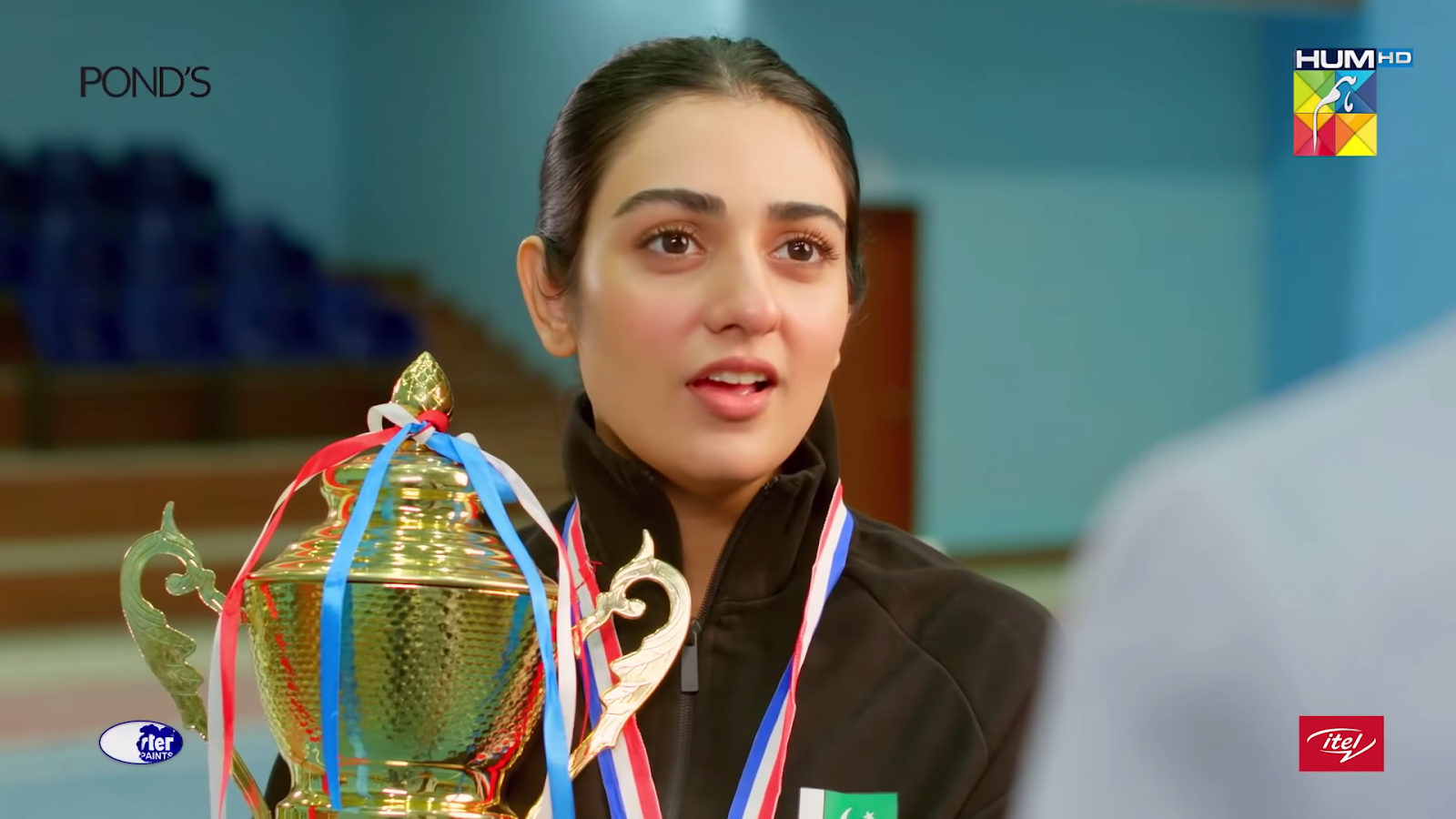
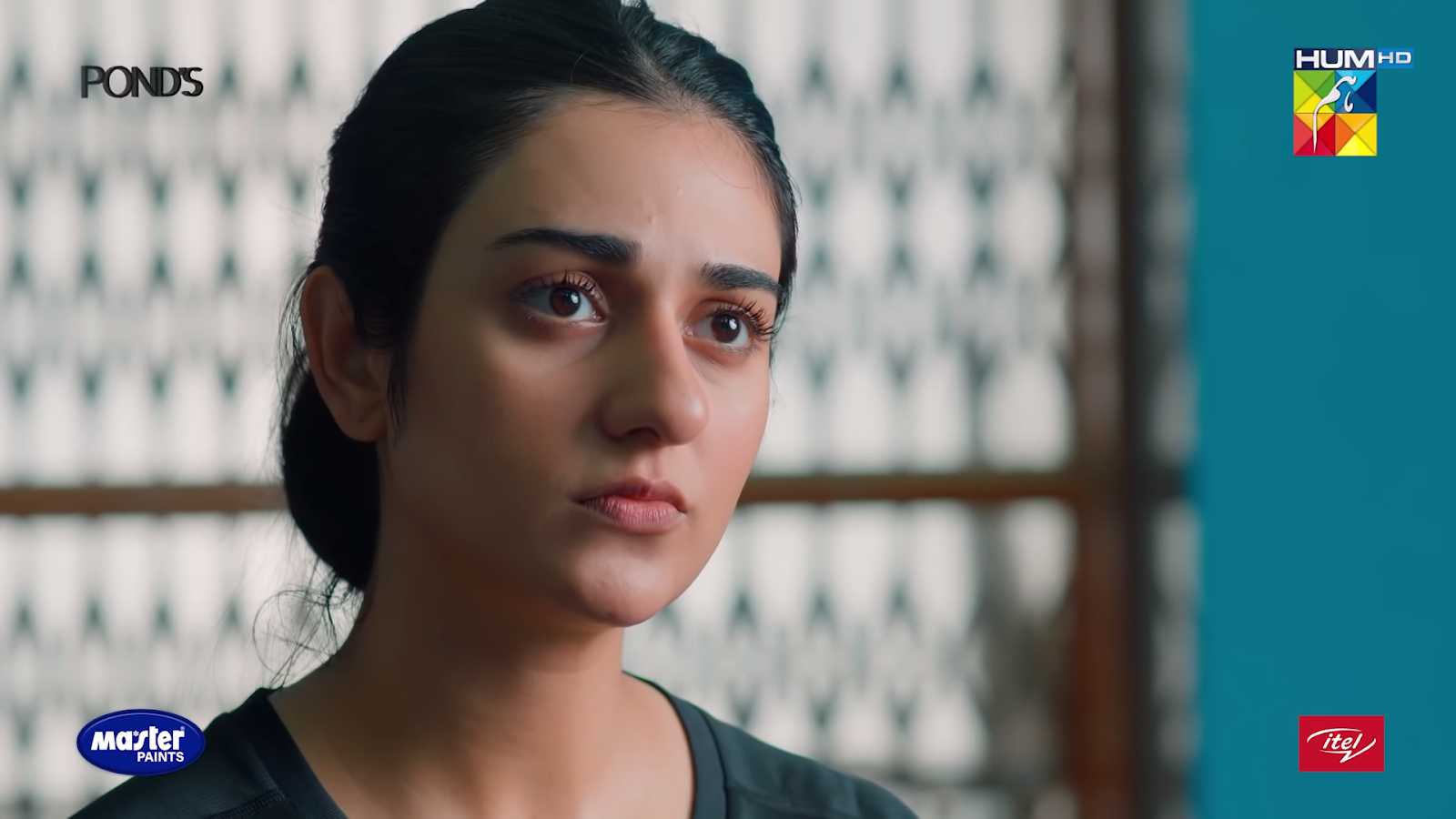
ii – It’s admirable from the show runners to depict Falak as a Badminton athlete. Most shows on Pak TV either depict their young women as flaunting 24/7 over their partners. Falak (on the other hand) has her own character defining trait outside her relationship. And this is what makes her character stand out from the rest of the shows.
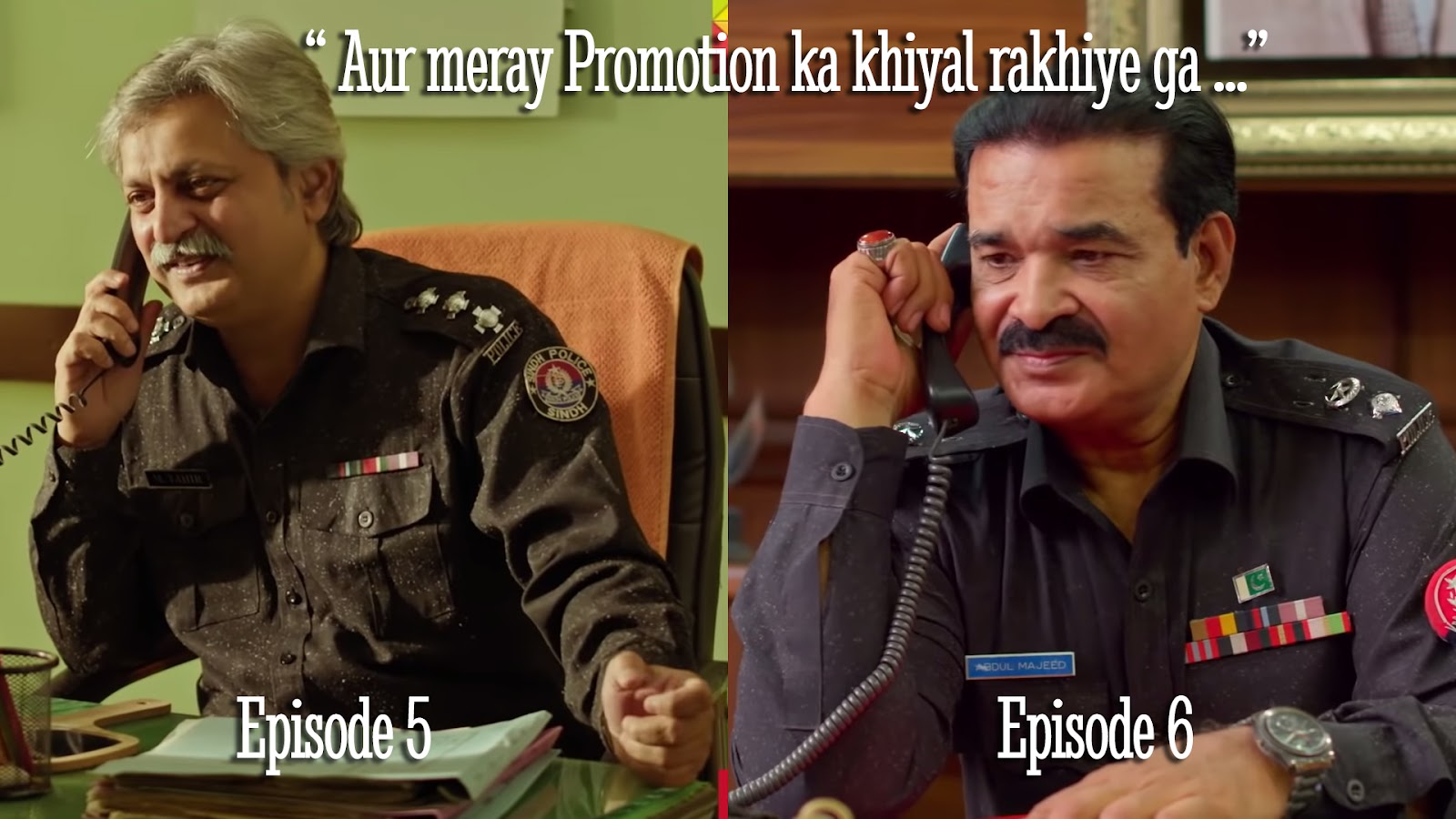
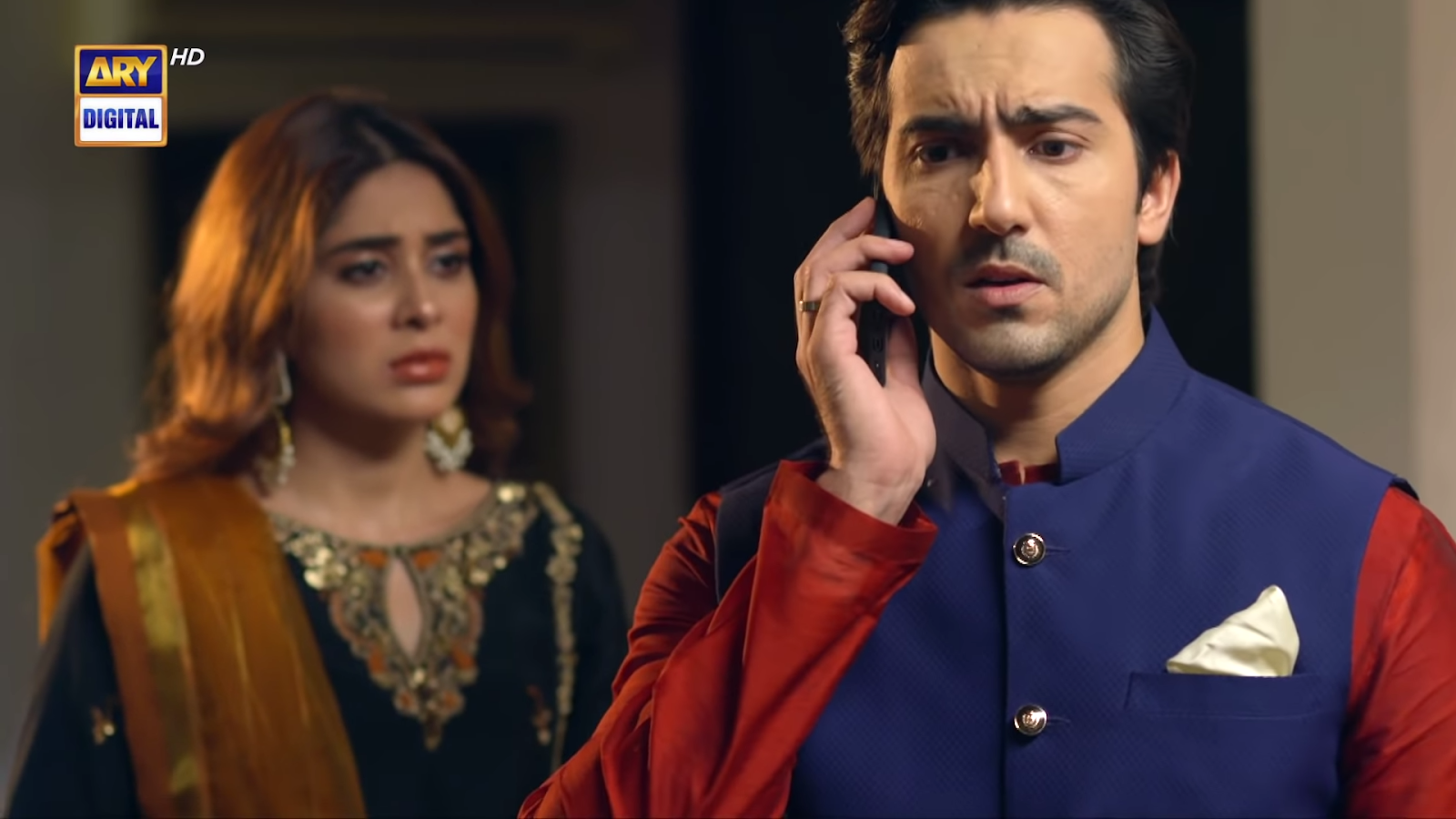
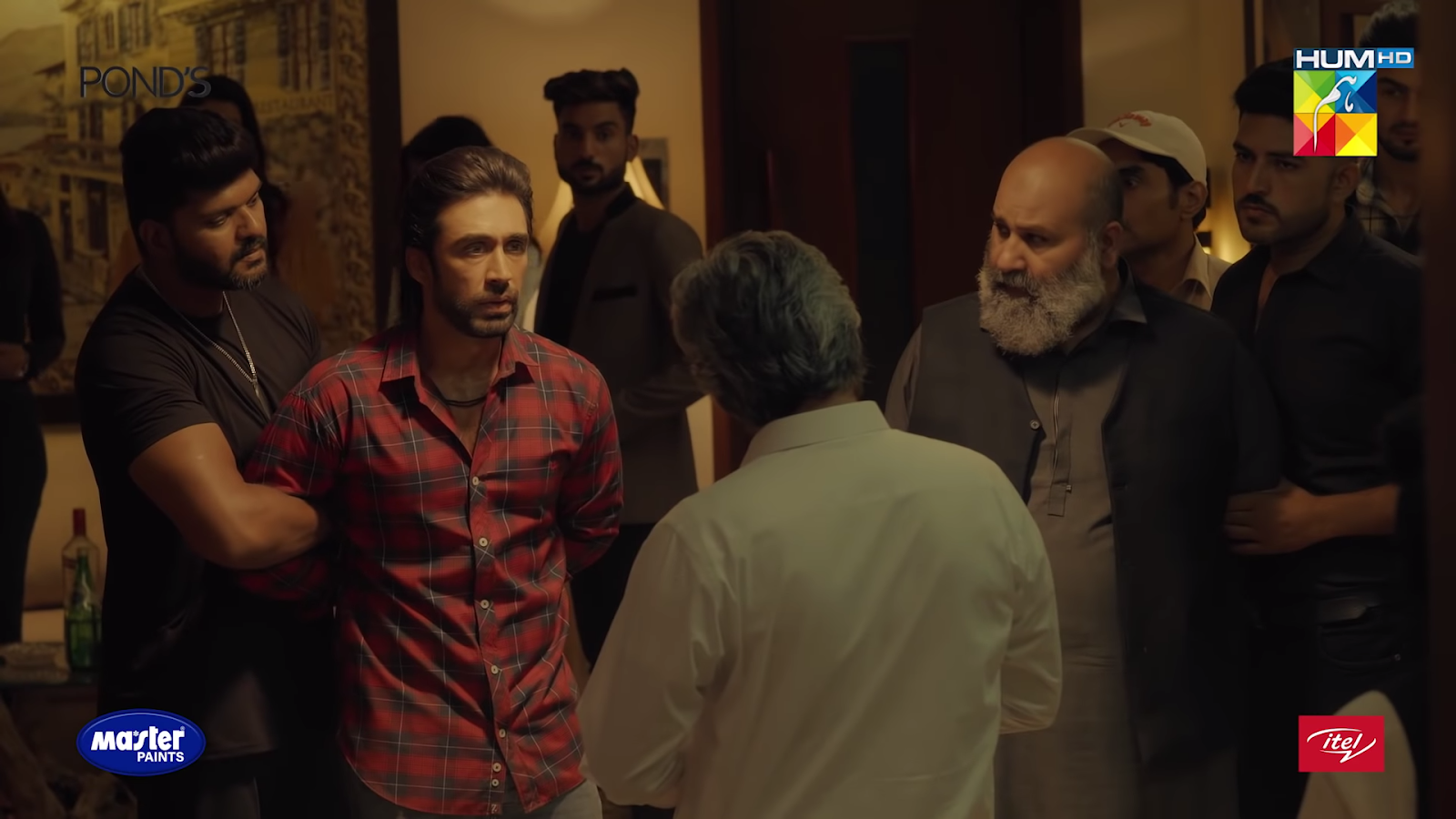
iii – The corruption within the law enforcement section is quite truthfully depicted in the show. The telephone dialogues scene between the two Police Inspectors was very poignantly written and loved the “switcheroo” of the dialogue “ And please consider my promotion” from one Police Officer (in Ep 5) to the next (in Ep 6).
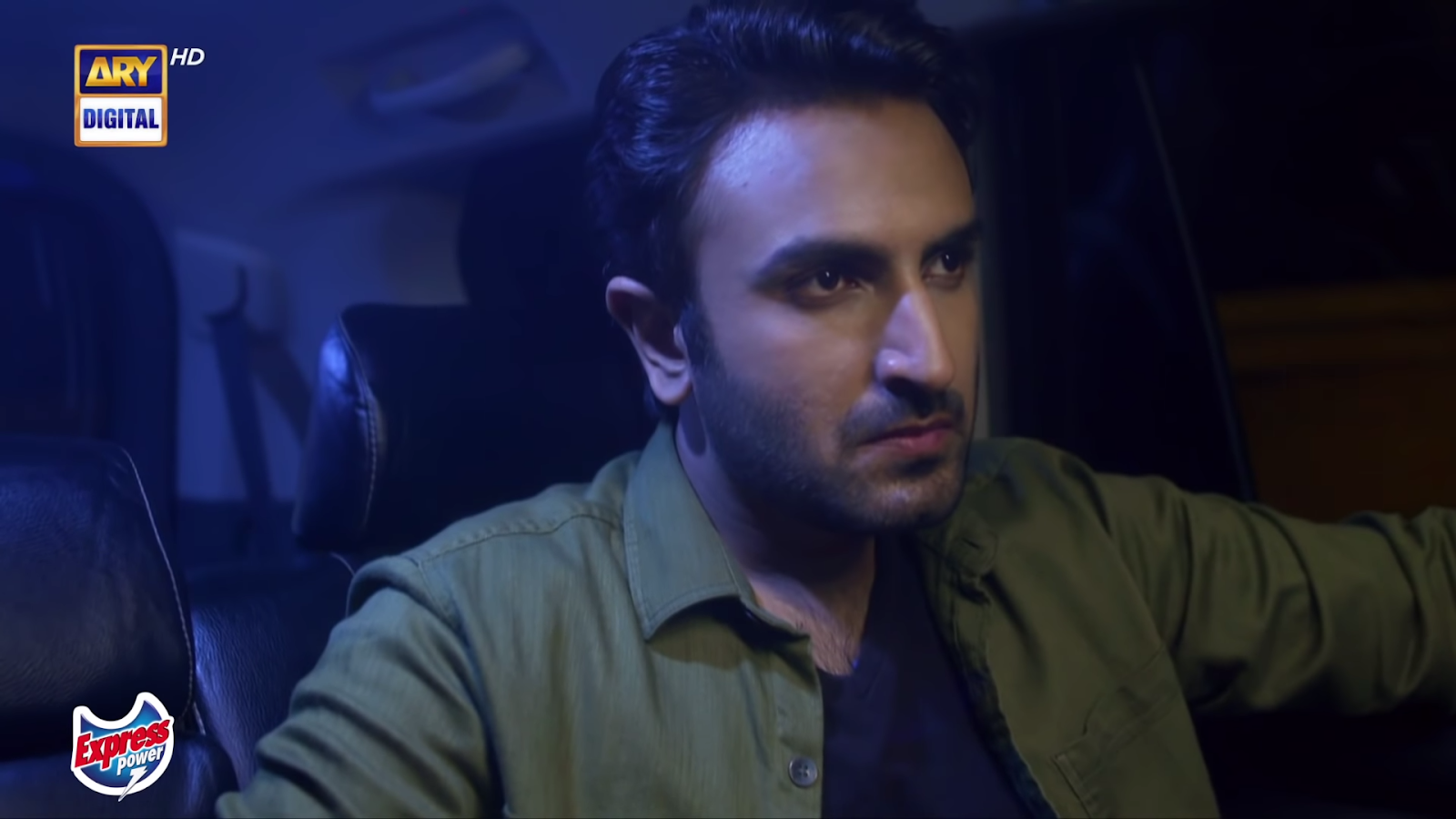
iv – Seems like Saife Hasan is having a lot of fun playing the dastardly evil Police Inspector. You have to admire when an actor fully embraces a performance and runs wild with it.
+ Low Points
i – Laapata has no idea what it wants to be. The show started off as a romantic, quirky love story which quite rapidly devolved into a tragic drama. The progression between the two genres is nowhere near seamless as it should have been. The viewers who probably tuned in for the comedic aspects of the show will be put off by the seriousness of the situation.
ii – Ayeza Khan as Geeti still does not fit the tone of the show. Her screwball performance is at complete odds with the storytelling of Laapata. Her character’s quirkiness is off putting and she definitely needs to tone down her performance to make herself more relatable to the viewers.
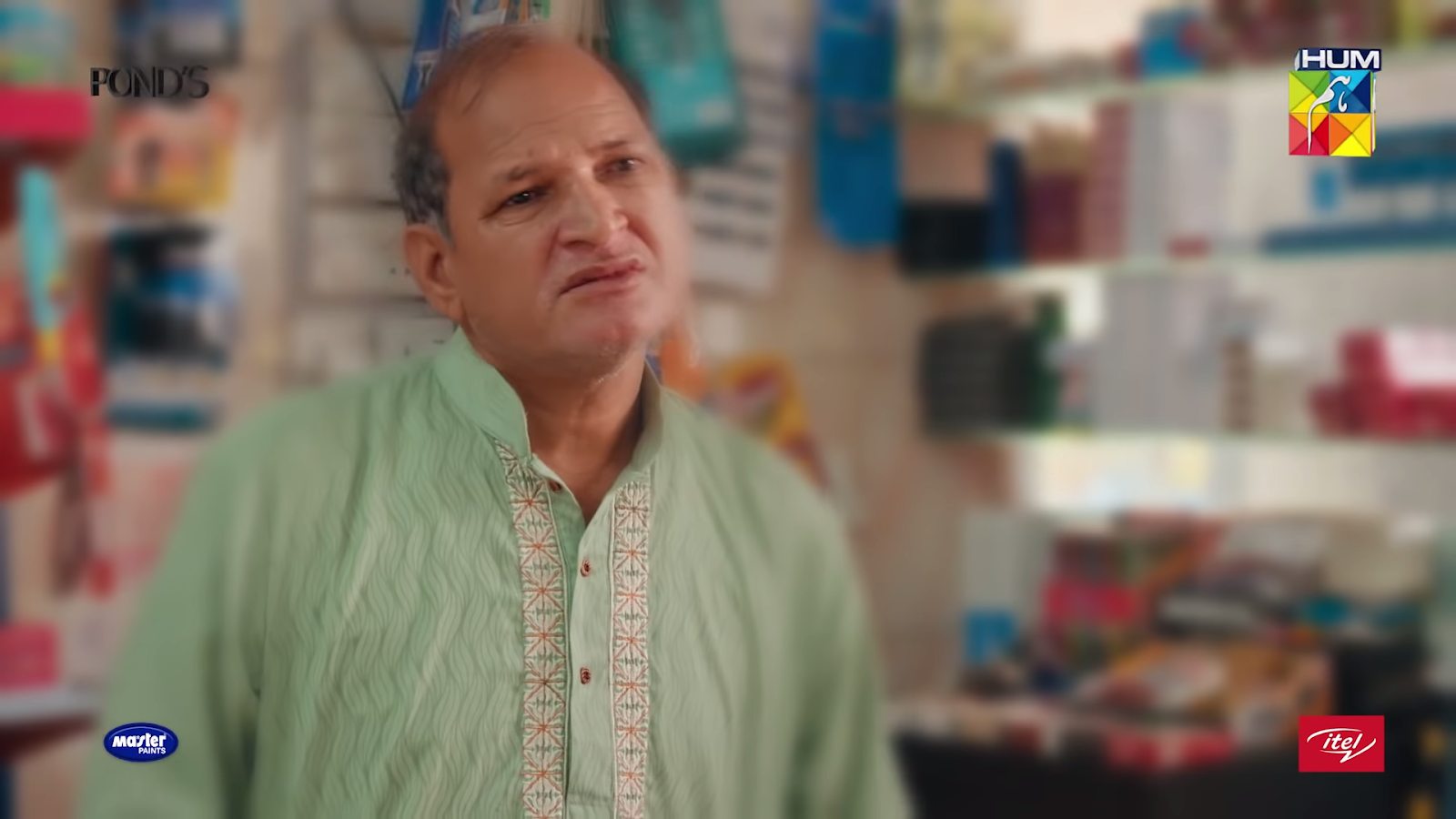
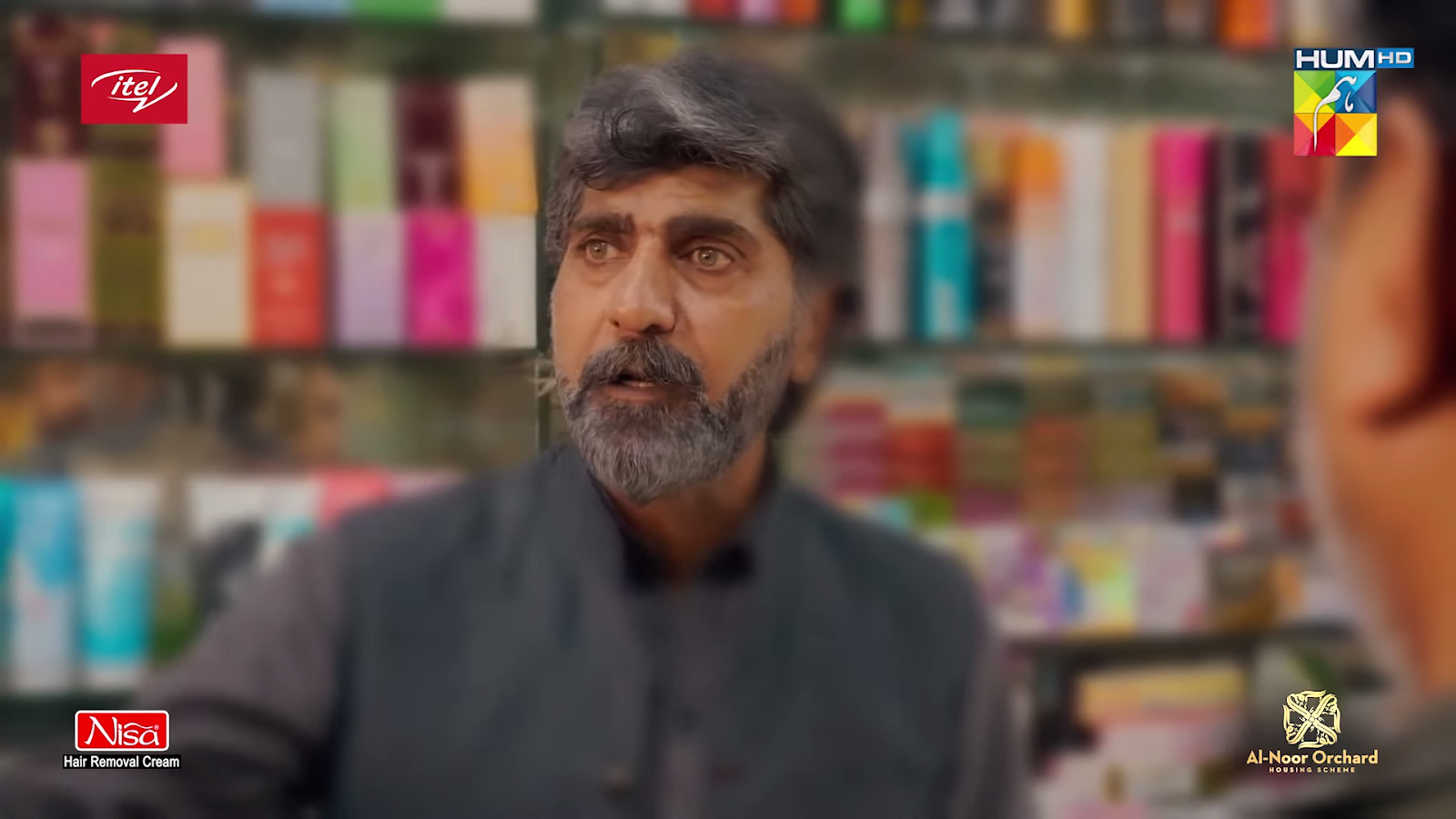
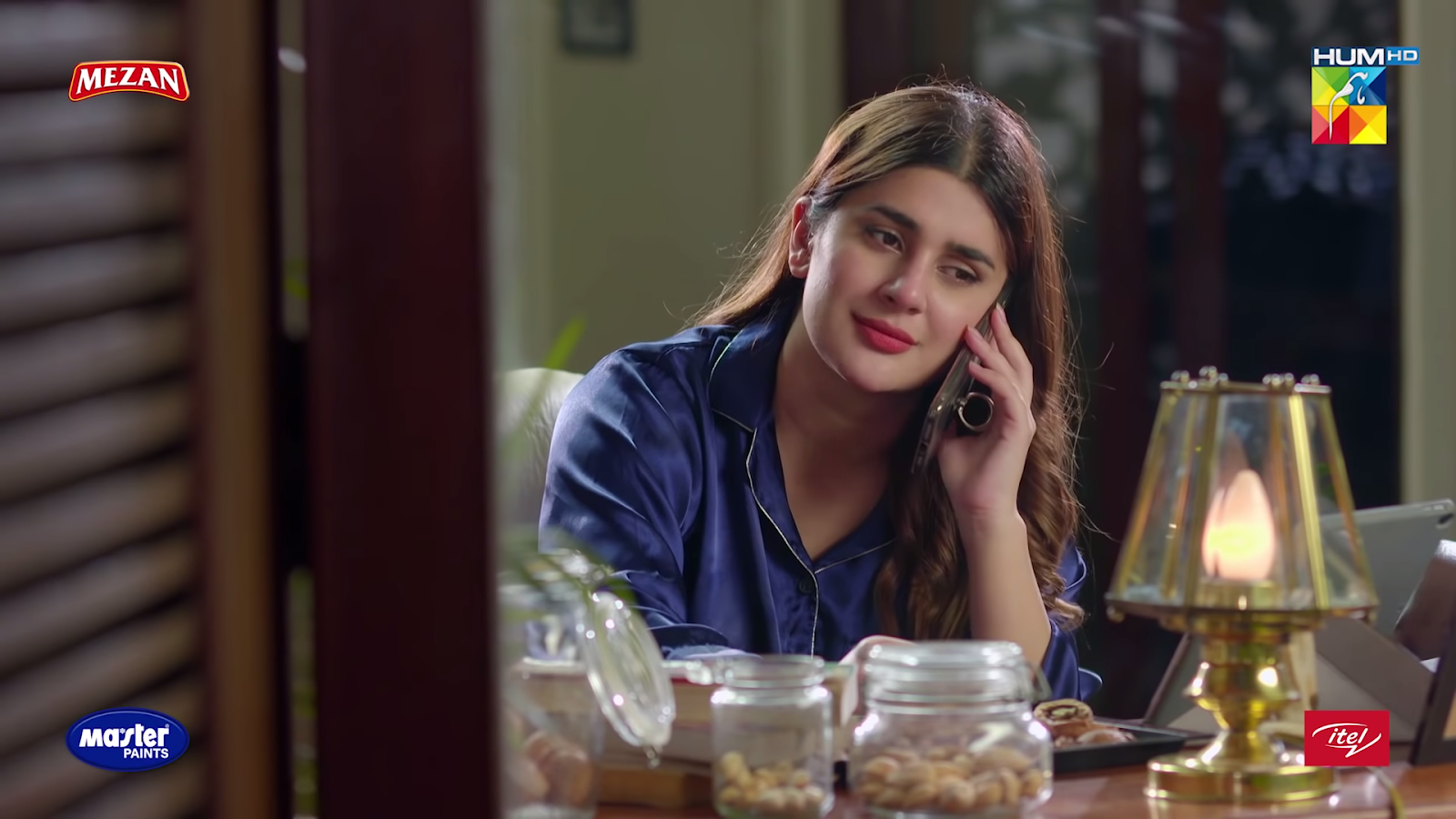
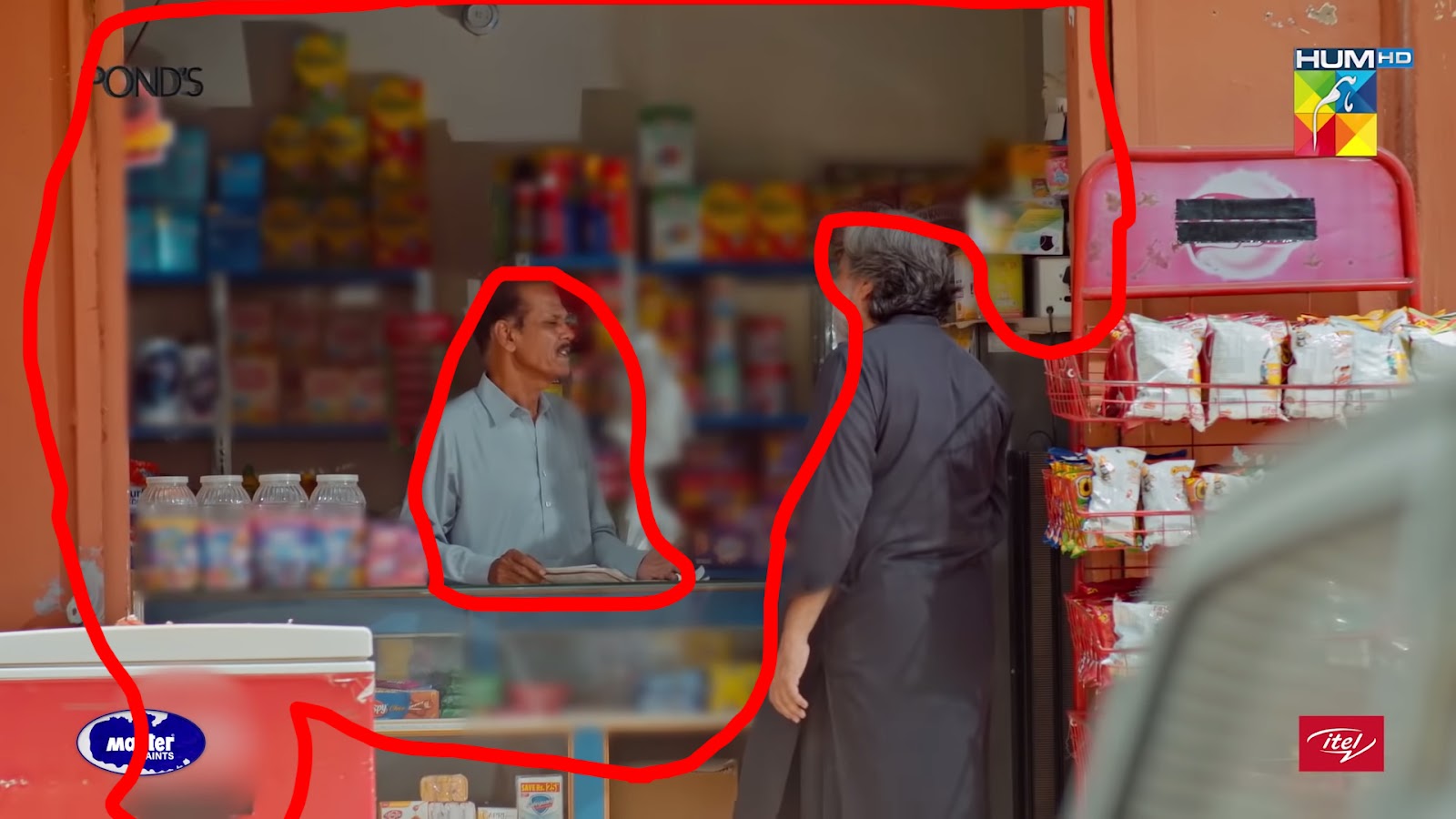
iii – Anawful lot of blurring in a single shot! How such images get approved for Broadcast quality in Pakistan is beyond my comprehension!
iv – The two new “love interests” seem very generic and just something for our female leads to do since our main protagonist is “Laapata”. Perhaps it’s okay if our female lead doesn’t have a love interest for a few episodes.
Spoiler Alert!!If you would like to avoid it, please skip to theOverallsection:
v – Hakim’s change of heart in Episode 5 came out of nowhere. They tried to explain that the corrupt Police Inspector would have hounded their trial till they found him but murdering a police inspector by poisoning him in front of countless number of witnesses is probably an even worse idea! This move made no sense.
+ Overall
The sudden shift in tone will drive away viewers of Laapata. Although the cast is entertaining enough, the show seems confused as to what it wants to be; a rom-com or a serious drama?
This is a very special video where filmmaker Najaf Bilgrami and I remember the founder of mrkhansreviews.com and my brother, Zeeshan Ahmed Khan for his contributions to film criticism in Pakistan and also for his fun loving personality.
The Making of Jinnah (1998) – Gup Shup with Najaf Bilgrami
During the film production of arguably one of the most important films in Pakistani film history ‘Jinnah’, young Najaf Bilgrami served as the Assistant Director. In this interview, Najaf recalls the behind the scenes tension between the filmmaker and the Pakistani government and also his experience working alongside the director of the film Jamil Dehlavi and the legendary actor Sir Christopher Lee.
A review on Pakistani Historical Biopic film, Jinnah (1998) starring Sir Christopher Lee as Jinnah. The film is co-written by Akbar S Ahmed and directed by Jamil Dehlavi. Jinnah was released in cinemas in 1998 and was distributed by Dehlavi Films Productions.
+ Crew
Directed by Jamil Dehlavi
Written by Akbar S Ahmed and Jamil Dehlavi
Cinematography by Nicholas D. Knowland
Edited by Robert M. Reitano and Paul Hodgson
Music by Nigel Clarke and Michael Csányi-Wills
Produced by Jamil Dehlavi
+ Note
The “never released” Jinnah film from 1983
After the release of Richard Attenborough’s Biopic on Mahatma Gandhi in 1982, the Pakistani government of Zia-ul-Haq was appalled by the abhorrent depiction of Mohammad Ali Jinnah (Founder of Pakistan) in the film as a stubborn, heartless monster who was hell bent on dividing India. In retaliation, the government of Zia-ul-Haq announced their very first film on the founder of Pakistan. According to Mushtaq Gazdar’s detailed book Pakistani Cinema 1947-1997, the film was to be named Stand Up From the Dust (in reference to the story where Jinnah saw school boys playing marbles on a dusty road and urged them to get up from the dust make something useful of themselves). Funded directly by the Pakistani government at the time, they micromanaged every aspect of the script, spending millions of rupees on the expenses of the crew and production.
According to Gazdar, the film was just an alibi to “legitimize” the government of Zia-ul-Haq as the true “Islamic State” vision of Pakistan, just as Jinnah would have intended. Apparently the film was somehow completed and privately screened for Zia-ul-Haq. Upon the film’s conclusion, Zia admitted: “Very good effort… but the film lacks in feeling…”. Since the production of the film was found unsatisfactory, Stand Up From the Dust was shelved in the vaults of the Pakistani government, never to be released for the general public.
Another attempt at the film
With the advent of Pakistan’s 50th Anniversary, Akbar S Ahmed (writer and Scholar) wanted to fulfill his personal wish of completing a film on the founder of Pakistan. With the Pakistani Independent Director Jamil Dehlavi onboard, the government of PPP Benazir Bhutto and the Pakistani Army acknowledged to help finance the film. But as the pre-production started, the PPP government was toppled and Nawaz Sharif’s PML-N came into power. The film project was immediately disapproved by the government and were threatened to shut down the production altogether. It felt like Akbar S Ahmed’s dream of working on a film about Jinnah would not be brought to fruition once again. But with the help and support of the Pak Army, Jamil Dehlavi and many others, the film went ahead with its Pre-production.
After searching high and low for lead actor to play the Quaid, from Daniel Day Lewis to Jeremy Irons to local Pakistani actors, the producers of the film finally settled on a British veteran actor Christopher Lee who was at the time known for playing the role of Dracula in the 1970s and a James Bond villain in The Man with the Golden Gun (1974). The casting was immediately followed with backlash from many Pakistani publications who claimed that the film producers tried to equate the leader of Pakistan to a “blood sucking vampire”. Nonetheless, the film went into production and was scheduled for 11 weeks of shoot in Karachi, Lahore and London. According to Akbar S Ahmed, numerous funds promised by the government never materialized.
Despite resistance from the PML-N government and several news outlets (mainly Imran Aslam, the editor of The News) hell-bent on destroying any credibility of the film, Jinnah finally made it to the theaters in 1998. Upon release, the film was met with very positive reviews from critics and the general public.
Controversies and legal battles surrounding Jinnah
Unfortunately, the controversies surrounding the film grew as a legal battle ensued between the writer and the director regarding the rights of the film. Around the same time, another new controversy surfaced that it was in fact Farrukh Dhondy who ghost wrote the script to the film. His work was kept secret due to the fact that Farrukh was an Indian born.
Even after almost 25 years since its release, the film is still shrouded in controversies and never received a proper foreign market distribution.
+ Main Cast
Christopher Lee as Mohammad Ali Jinnah
Shashi Kapoor as Narrator
James Fox as Lord Louis Mountbatten
Maria Aitken as Edwina Mountbatten
Richard Lintern as Muhammad Ali Jinnah (Younger)
Shireen Shah as Fatima Jinnah
Indira Varma as Rattanbai (‘Ruttie’) Jinnah
Robert Ashby as Jawaharlal Nehru
Sam Dastor as Mahatma Gandhi
Shakeel as Liaquat Ali Khan
+ Plot
As Jinnah (Christopher Lee) stands at the gates of Afterlife, he is greeted by the “Narrator” (Shashi Kapoor) who recalls Mohammad Ali Jinnah’s life as a lawyer, husband, father, politician and of course, the leader of the Nation called Pakistan.
+ High Points
i – Looking back at this film once again (23 years since its release), this is arguably the best rendition of Mohammad Ali Jinnah that could have ever been approved by the Pakistani government and the censor board. The writers of the film, Akbar S Ahmed, Jamil Dehlavi (and ghost writer Farrukh Dhondy) have done a magnificent job in presenting the Quaid, with all his integrity, all his strength and ambitions and most importantly, with all his flaws. Although his political goals were never to be compromised, Jinnah perhaps could not devote the time that he could have to his family. He was perhaps not the greatest husband or father to his child but that was the price Jinnah had to pay if that meant that the muslims of India would finally have their own separate homeland.
Biographical films are meant to be case studies of famous figures of our history. Legends that inspire us to fulfill our ambitions in life, no matter what the cost. Jinnah was not a “mahatma”, he was a man who learned with time why he believed that the muslims of India will never be free unless they have their own separate homeland. The film Jinnah does a splendid job in portraying him with all his ambitions and flaws as a political leader, a husband and a father.
ii – While Richard Attenborough’s Gandhi (1982) was a straightforward Biopic, Akbar S Ahmed and Dehlavi strived for something different. The script gave Jinnah a chance to witness (in third person) his own political career and personal life. That for me, is a vastly more creative way of tackling the story of Independence. The Indian Independence movement is intricate and layered with many sides and opinions. The Congress Party had one for a united India whereas Jinnah had one (later on) for a separate Muslim Homeland. This “meta” introspective was a brilliant move by the director of the film Dehlavi and the film brings a whole new perspective on the partition once again. Was it inevitable? Could Muslims have coexisted in a united India? Was it Jinnah’s political ambition or conviction that drove him towards the Independence movement? While there will never be concrete answers, there will always be varying opinions from the audience of the film.
iii – As the narrative of the film is never linear, we get to go on a journey with the Quaid himself as he takes us through his younger days as a lawyer, a newly wedded Husband, loss of his loved one and eventually, striving for the birth of Pakistan. The pacing of the film works seamlessly, bringing a sense of awe and fascination towards the subject once again. I must admit, I am absolutely flabbergasted how the financiers of the film gave Jamil Dehlavi the freedom to convey a non-linear story to its audience. Perhaps this still might not be the film that Jamil intended but the film Jinnah can never be accused of taking a “safe” approach in its storytelling.
iv – The casting of Christopher Lee as Jinnah. Regardless of him having a striking resemblance to the leader of the Nation, Lee was mostly known for playing low life, villainous characters in commercial or low budget films. Jinnah was his chance to prove that he in fact did possess the talent needed to rightfully portray such a larger than life political figure and he did not disappoint. Lee’s dedication and conviction to the role is admirable. From his stern yet accurate dialogue delivery to his stature on the podium as he delivers speeches to the masses all across the country, Christopher Lee did justice to the Quaid-e-Azam and is certainly one of his most iconic roles of his career.
v – Due to Christopher Lee’s astounding performance, Richard Lintern as the younger Jinnah never gets the proper recognition that he deserves. His naive but determined outlook towards Sub continent politics is stupendously portrayed by the young actor. His convincing performance in the film is one of the main reasons why Jinnah works so well as a non linear biopic. Richard Lintern had some essential, emotional scenes to pull off in order for the narrative to blend into the older Jinnah and suffice to say, he did a fine job.
vi – The opening scene contains some splendid editing where the last dying breaths of Jinnah are transitioned into the opening of the library of “Afterlife”. It’s a perfect way to invite viewers to join Jinnah into his epic journey towards his own previous life. Also the scene where the young and the old Jinnah coincide one another was a stroke of genius. It was a pivotal moment in Jinnah’s life where his resistance to embrace Gandhi’s non-violent movement would lead to more chaos and separation between the Hindus and Muslims of India.
vii – The supporting cast also plays its part well. Indira Varma as Ruttie brings out the softer side of Jinnah. A woman who he was in love with but did not dare to comprise his political ambitions in return for that family life.
viii – With the modest budget of just over $ 2 million, Dehlavi and team did a wonderful job of bringing authenticity to the film. The set design, the early 20th century cars, costumes bring the era of British Colonialism alive in moving images. A lot of credit should go to Nicholas D. Knowland’s cinematography. The slight overexposed film footage makes the images illusive, a past that can never be recreated, only re-imagined.
+ Low Points
i – Although I have praised Akbar S Ahmed and Jamil Dehlavi in their depiction of Jinnah as a leader of the nation and his private life, there is still a subject perhaps left virtually untouched; Jinnah’s relationship to his religion. By many accounts (prior to his goals later in life), Islam never played a massive part in his life. He preferred speaking English, wore three piece suits, smoked a cigar and dined as a proper British would do. Although Jinnah fought for muslim identity in the Subcontinent, how did he viewed his own identity? Unlike Gandhi (who wore his Hindu heratige on his sleeve), Jinnah had a more subtle relationship with his muslim background. It would have been fascinating to have explored that on screen but unfortunately, would never get past the Pakistan censorship board (and ultimately, hurting sentiments of the public along the way).
ii – The “Trial” scene at the end does feel a bit tacked on to the overall narrative. Perhaps this was the only moment I felt that the “meta” commentary went a bit too far for its own good. The information revolves around the injustices the Pakistani government had to face after its Independence and regardless what side you take, subtlety was most probably lost in that scene. I realise that Jinnah’s journey throughout his own life needed to reach its end destination but perhaps there could have been a better way to conclude the film.
iii – While Gandhi’s portrayal is more sympathetic and understandable, Nehru (on the other hand) is depicted as a conniving, devious politician who solely had lust for power to become the first Prime Minister of India. One too many scenes were focused on his affair with Lady Mountbatten which (understably) had an unfair advantage in judgment of the division of India. Even though it’s nowhere near as bad as Jinnah’s portrayal in Richard Attenborough’s Gandhi (1982), a better understanding of Nehru the politician could have served this film well.
+ Overall
With inventive storytelling and brilliant performances by the main cast, Jinnah is by far one of the greatest Pakistani films ever made.
A review on Pakistani drama TV series, Ishq Hai – Episode 19 to 22 (2021). The new TV series is directed by Aabis Raza and written by Rehana Aftab. Ishq Hai is an ARY Digital Production.
(Note: If you’ve already read the review of the previous episode, you can skip directly ahead to the High points section).
+ Crew
Directed by Aabis Raza
Written by Rehana Aftab
DOP by Waqas Ali
OST composed by Rahat Fateh Ali Khan
Editing by Zeeshan Ali Jokhio
Produced by Fahad Mustafa & Dr. Ali Kazmi
+ Note
Ishq Hai is a tale of two lovers, a Shakespearean tragedy set in South Asia where the conflict between tradition and individual freedom comes into play. An age long question within our Pakistani culture; should the tradition of arranged marriage be questioned? How important is the right to choose your own life partner? The drama has a star studded cast of young and veteran actors and is an exclusive ARY Digital Production.
+ Main Cast
Minal Khan as Isra
Danish Taimoor as Shahzaib
Hammad Farooqi as Hammad
Babar Ali as Isra’s father
Hammad Shoaib as Haris
Saba Faisal as Nafisa
Mahi Baloch as Sameera
Sajjad Paul as Raza
Mahenur Haider as Nimra
+ Plot
Isra and Shahzaib are the young lovers in conflict with their respective families. Their parents have already found a spouse for them. Arranged marriage has been a family tradition but against all odds, Isra and Shahzaib want to fight for their love. Will their pure love be able to conquer all?
+ High Points
i – The only positive aspect going for this show is the development of the story after each episode. It is brisk and follows through each half an hour competently towards an inevitable conclusion to the Isra and Shahzaib love story.
+ Low Points
i – Its genuinely fascinating how Ishq Hai is incredibly content with its mediocrity. The show’s pacing is all over the place, every scene is needlessly epic and overly melodramatic. There is never any room to breathe for the characters and neither for us, the viewers. It’s a perfect example of how NOT to write a show. Ishq Hai lacks depth in its characters, none of them ever evolved in the last 22 episodes. It’s a sad state of affairs of how such a HORRENDOUS quality of a show gets a prime time slot on Television. The current state of Pakistani TV shows has rapidly declined in quality over the past decade, emulating the nonsense “Saas-Baho”, cousins Love Triangle storyline. And Ishq Hai is definitely a contributing factor to that steady decline.
ii – Episodes 19 to 22 once again focus on the continuing evil plan of Nafisa to rid Isra from the life of Shahzaib. And if that sounds like a plot of a James Bond film from the 60s, you wouldn’t be so far off! The characterizations are so much beyond the realms of reality that they are unironically campy and hilarious. The ensemble cast of the show come off as mere caricatures of their characters rather than fully fledged human beings. I’ve seen more character depth in a saturday morning cartoon than this disaster of a show! Awful, awful writing by Rehana Aftab.
iii – Whenever this show wants to create tension in a scene, they merely have to play the dreaded chorus “Ye Ishq Hai!… Ye Ishq Hai!”. Talk about lazy editing. The whole creative team of Ishq Hai is creatively bankrupt in originality. Apparently they have no faith in their actors or the written dialogue that they have to resort to this dreaded chorus every single time.
iv – In Episode 19,the cat fight between Nimra and Isra was pretty hilarious. Nimra continues to be one of the worst written characters that I’ve ever witnessed on Pakistani Television. Apart from jealousy, she lacks any sort of emotion a normal human being has. She has no life of her own other than obsessing over Shahzaib throughout the show. Her family members have no sense of self respect as they keep getting convinced by Nafisa that their daughter will marry Shahzaib in the end (no matter how many times they get humiliated by Shahzaib and Isra). The script and motivations of the characters never made any sense right from the start so why put in any effort now?
v – Why does every character in the show come off so needy and desperate for attention? First it was Nimra and now Haris who is (for some reason) so madly obsessed with Isra at this point that he is willing to stalk and threaten her. Does no one in this show have some dignity or self respect? But I suppose he still comes off better than Shahzaib who literally drugged, kidnapped and forcefully married his wife. So… pick your poison I suppose.
+ Overall
Ishq Hai is a massive waste of time, effort and money devoted to making it. It’s an insult to the legacy of Pakistani television and its writers. Avoid it like the plague!
A review on Pakistani drama TV series, Parizaad Episode 4 (2021). The new TV series is directed by Shehzad Kashmiri and written by Hashim Nadeem. Parizaad is a Momina Duraid Production.
(Note: If you’ve already read the review of the previous episode, you can skip directly ahead to the High points section).
+ Crew
Directed by Shehzad Kashmiri
Written by Hashim Nadeem
Produced by Momina Duraid Productions
+ Note
Parizaad is based on a novel by Hashim Nadeem and is a case study of a protagonist who cannot seem to find his place in a world where illicit behaviour and exploitation is rewarded over truth and kindness. The showexplores the lower middle class societal problems of Pakistan and how a wallflower like Parizaad is never appreciated by our society.
The director of the show Shehzad Kashmiri is a well respected cinematographer who then moved towards directing TV shows. He also directed a feature length film Bin Roye in 2015 which earned him a nomination for Best Film Director at 15th Lux Style Awards.
+ Main Cast
Noman Ejaz
Ahmed Ali Akbar
Syed Muhammad Ahmed
Urwa Hussain
Ushna Shah
Yumna Zaidi
Saboor Ali
Mashal Khan
Tipu Shah
Kiran Tabeer
+ Plot
Born in a world of neglect and hurt, Parizaad is an innocent soul that differs from everyone. He is kind, thoughtful and a gentle soul who due to his nature and appearance, does not fit the societal norms of Pakistani culture. Will the devious modern society engulf Parizaad into its darkness or will he remain a beacon of hope and all that is good in Life?
+ High Points
i – Once again, Ahmed Ali Akbar as Parizaad always delivers a brilliant performance. His mannerisms and dialogue delivery is picture perfect and plays a massive role in making viewers tune in to the show every week.
ii – The show works best when Parizaad and Nasaaz (played by Adeel Afzal) are sharing the screen together. Their banter plays off well with one another, the ying yang of personalities that share a mutual sense of respect.
+ Low Points
i – Episode 4 has taken a sudden shift from focusing on Parizaad’s evolution as a character to subplots of the show such as Parizaad’s sister and her plight of achieving further education. This episode seemed a bit too concentrated on In-Laws melodrama which was never the main focus of the first three episodes of the show. Having subplots is always good but it should never steal the spotlight from the main plot of the show.
ii – This week, Parizaad introduced a new character to the show; Bubbly (played by Saboor Ali). She plays a “tomboy”, no nonsense character who has taken a shine at Parizaad. Although it’s an interesting concept for a new character, Saboor Ali’s performance seems not on par with what the show requires and comes off as if Saboor Ali is playing a “character” rather than her embracing its persona. Unfortunately a lot of screen time is devoted to Bubbly and her performance is very distracting throughout the episode.
iii – There also are certain “comedy” scenes involving Bubbly and her shenanigans. Although never egregious, they seem completely out of place to the tone the first three episodes set for the show. Parizaad works best as a character study and the comedic elements seem to rather detract from the quality of the show.
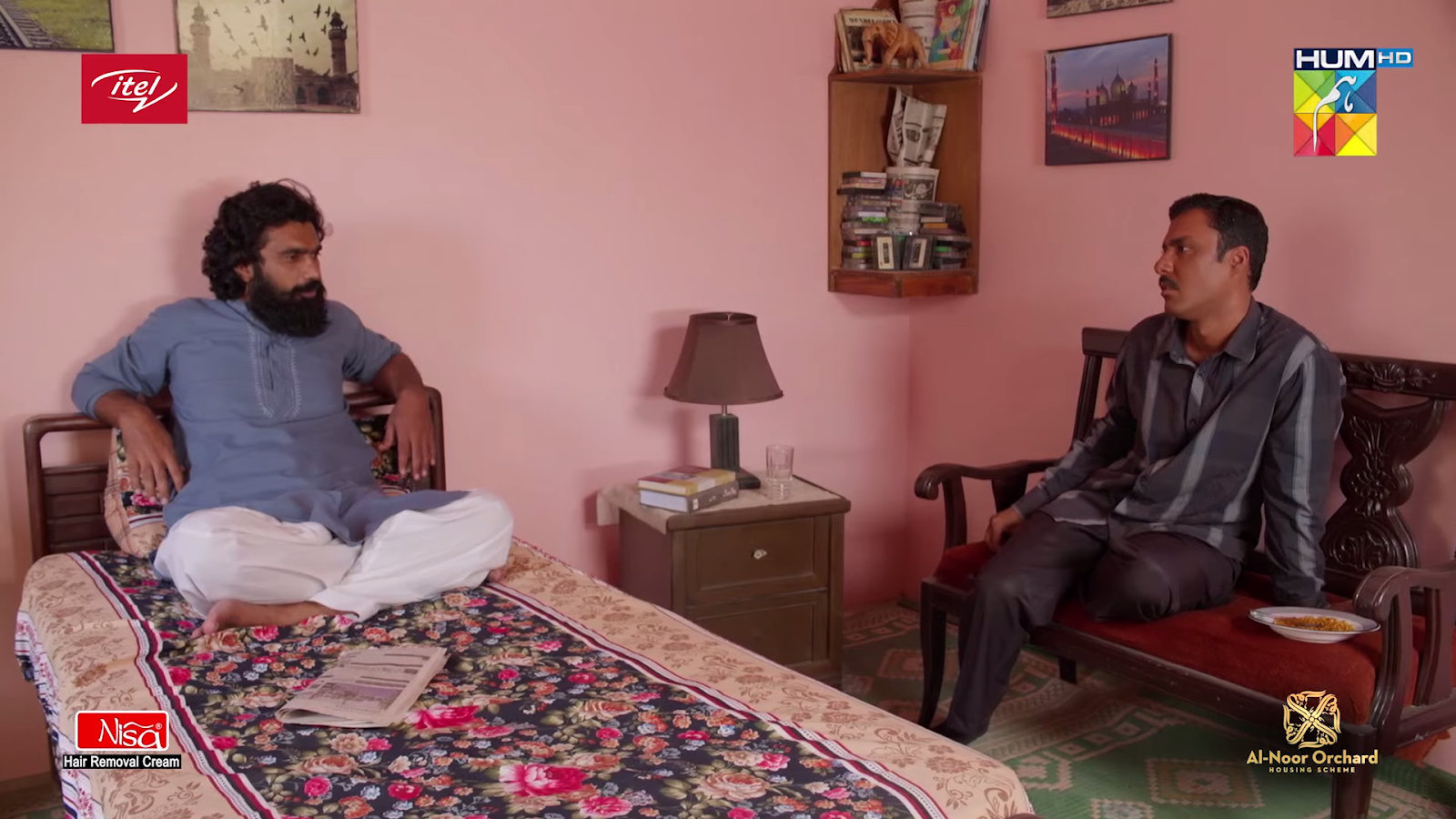
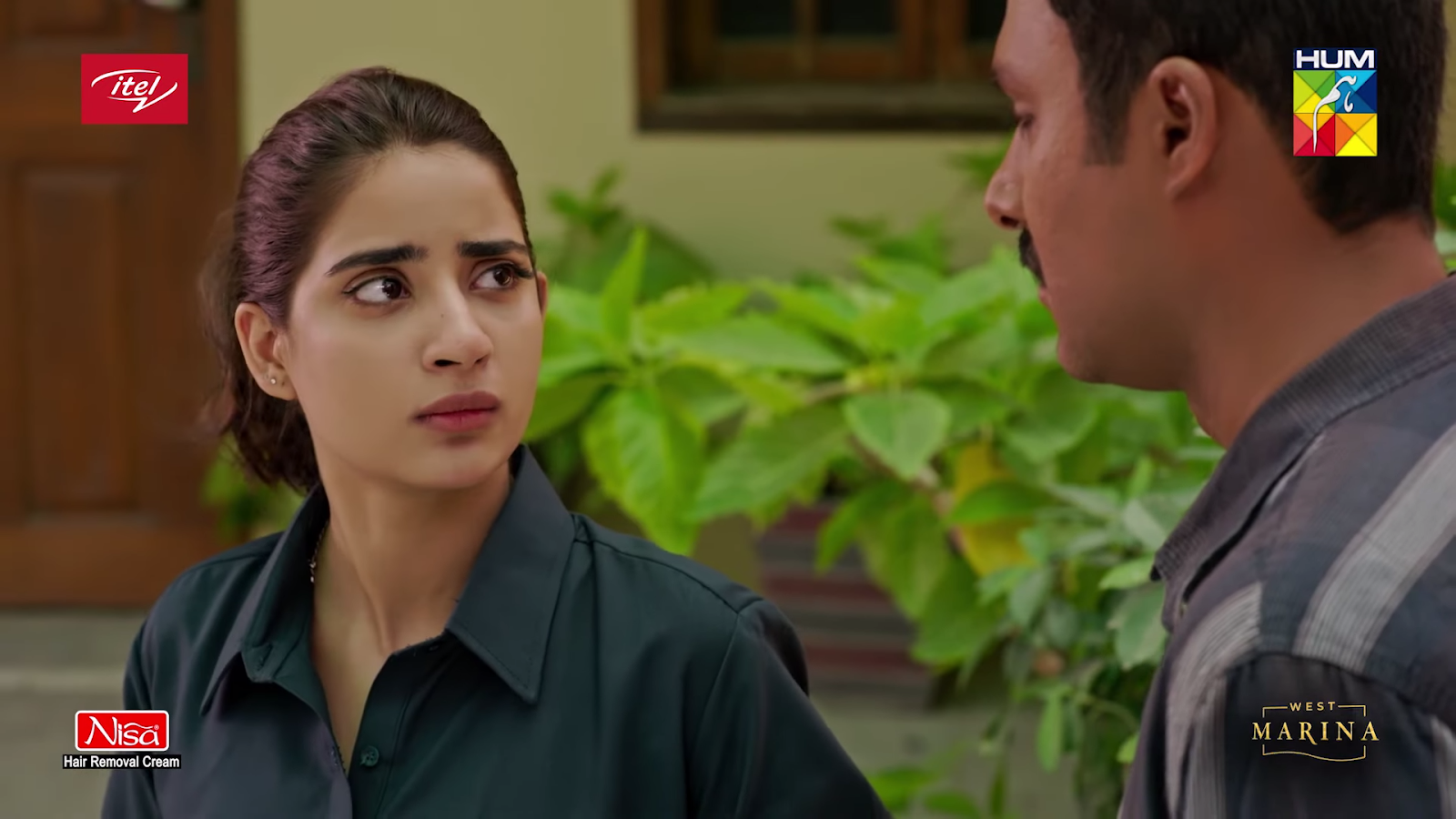
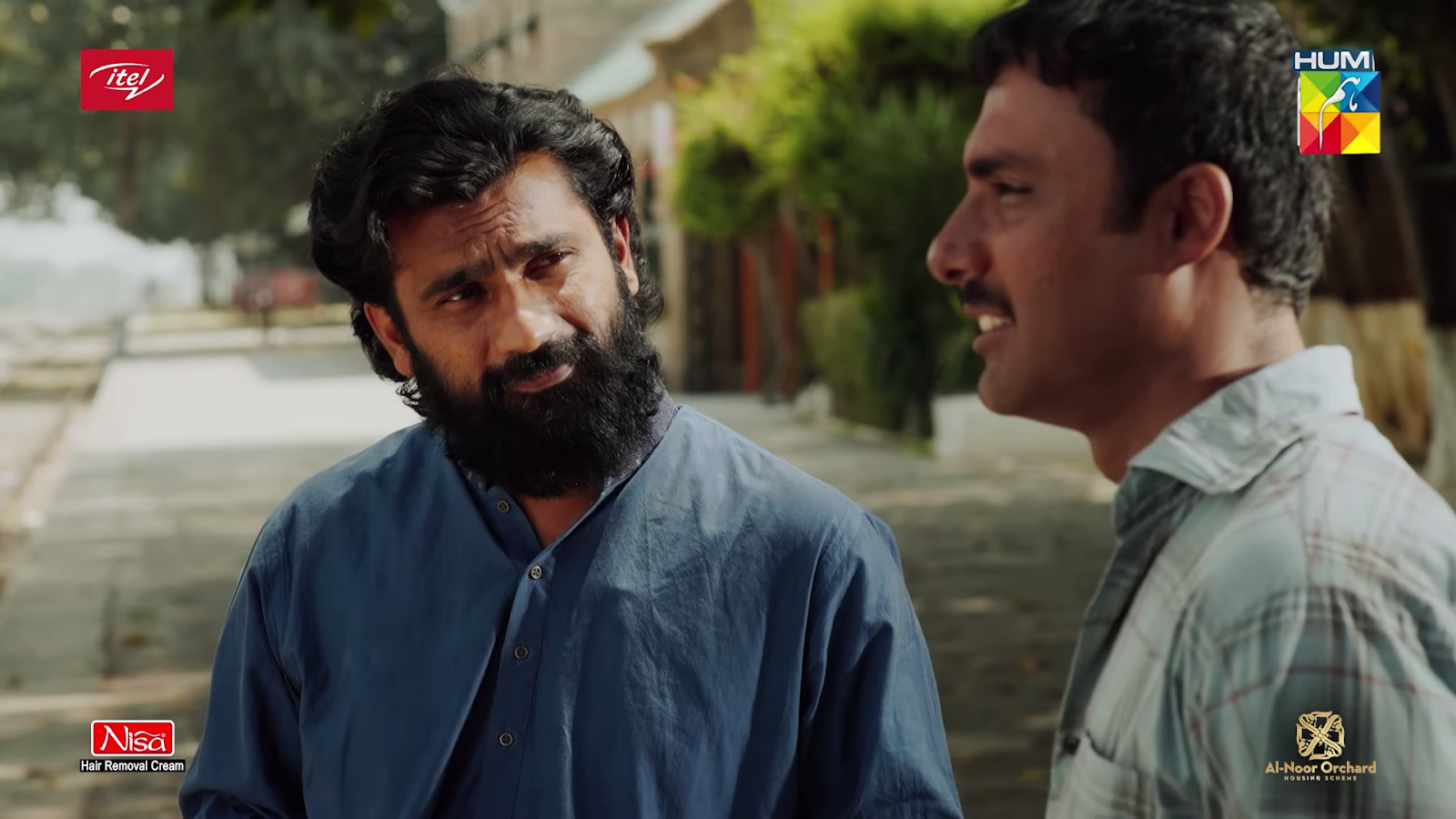
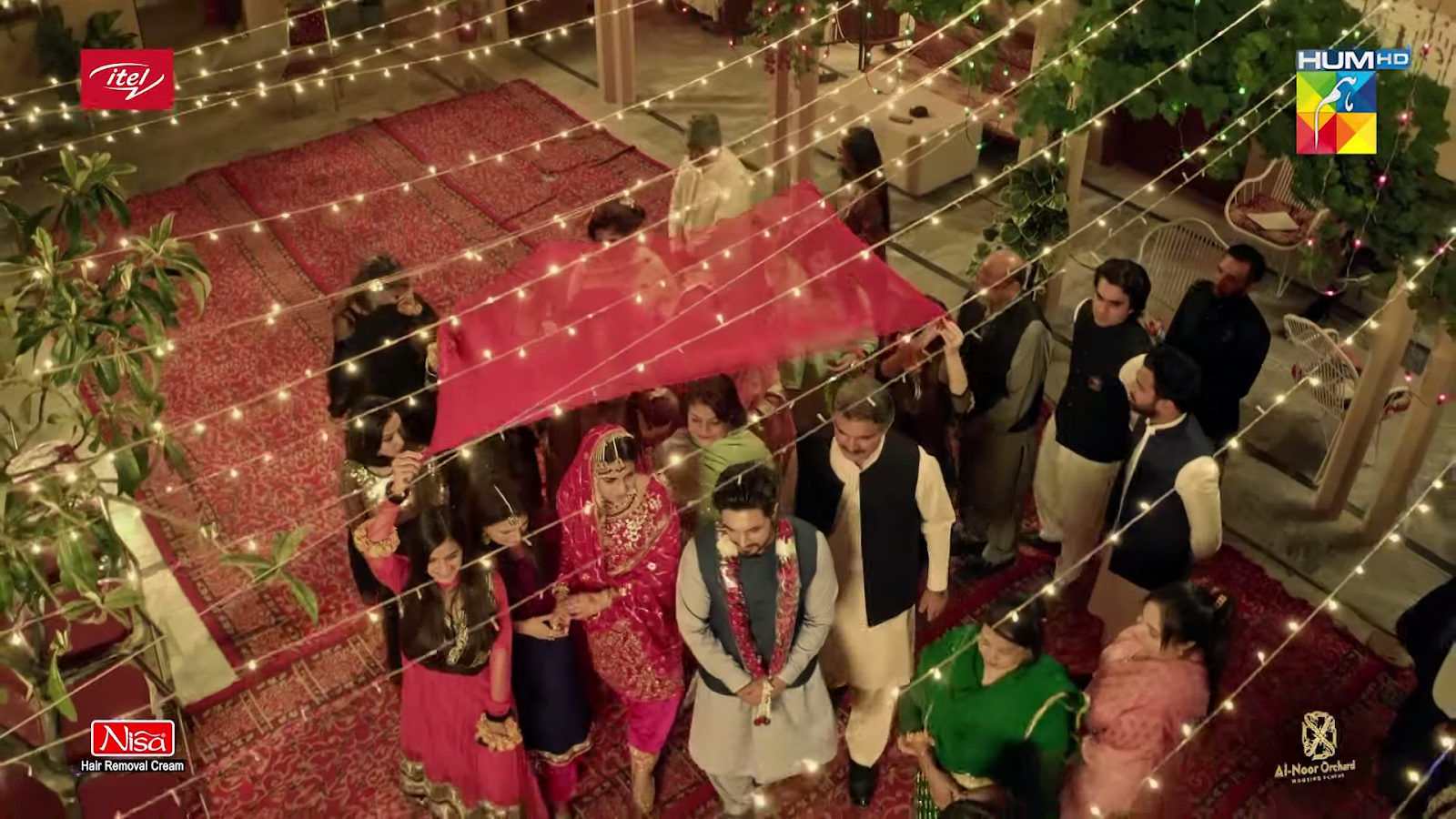
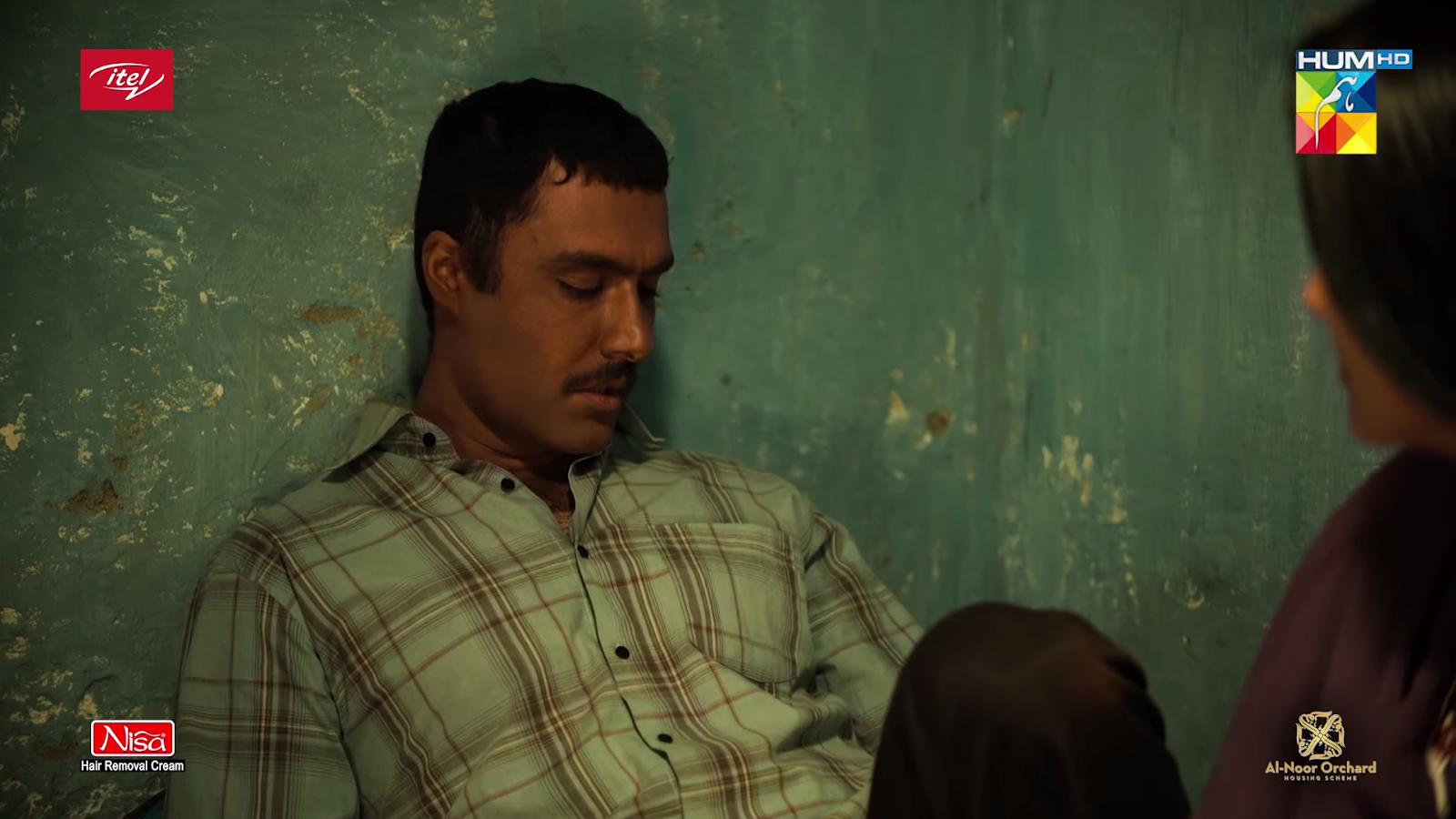
iv – The show runners need to find a better way to deal with hiding unnecessary product placement because this looks awful (referring to the still shot below)! The blurring effect around the whole character seems as if this is a dream sequence. Incredibly poor presentation!
+ Overall
Episode 4 suffers from unnecessary “Saas-Bahoo” drama and comedic scenes that seem out of place for the show. Parizaad works best as a character study and should avoid cliches of Pakistani dramas.
A review on Pakistani drama TV series, Hum Kahan Ke Sachay Thay Episode 2 (2021). The new TV series is written by Umera Ahmed and directed by Farooq Rind. Hum Kahan Ke Sachay Thay is a Momina Duraid Production and currently airs on HUM TV.
(Note: If you’ve already read the review of the previous episode, you can skip directly ahead to the High points section).
+ Crew
Directed by Farooq Rind
Written by Umer Ahmed
Produced by Nina Kashif & Momina Duraid Productions
+ Note
Hum Kahan Ke Sachay Thay marks 5 years since Mahira Khan appeared in a TV drama and as was the case before, this drama was also originally a novel by Umera Ahmed where the childhood and upbringing play an important part in the main plot of the show. The show deals with dark topics such as drug addiction and its impact on a child’s upbringing.
The show also focuses once again on a love triangle between three cousins who shared a childhood together; Mehreen, Mashal and Aswad. Hum Kahan Ke Sachay Thay is essentially a case study of internal flaws and unspoken guilts that makes us human and how we learn to cope up in a less than ideal society.
+ Main Cast
Mahira Khan as Mehreen Mansoor
Kubra Khan as Mashal Tahir
Usman Mukhtar as Aswad Ayub
Omair Rana as Mansoor
Zainab Qayyum as Shagufta
Haroon Shahid
Laila Wasti
Huma Nawab as Saliha
Kaif Ghaznavi
Shamim Hilali as Aswad’s Grandmother
Khalid Malik
+ Plot
Hum Kahan Ke Sachay Thay is a story of three cousins; Mehreen, Mashal and Aswad. Their lives have coincided with each other since childhood. While Mashal and Aswad grew up in a stable, loving household, Mehreen had to live through the mistakes of her father for being a drug addict and financially unstable. As they grow older, it is obvious that they all share an unbroken bond between each other that will only culminate with certain unforeseeable events.
+ High Points
i – Episode 2 does a convincing job in presenting the anguish of Mehreen and her troubled past regarding her father. It is obvious that she is still struggling to come to terms with her upbringing which leads to lack of confidence and trouble believing that she could ever be liked by someone else.
ii – The inclusion of Haroon Shahid is always welcomed as his performance brings a sense of serenity to the show. Perhaps he is always typecast as the “nice guy” but at least he’s good at it.
iii – The theme song by Yashal Shahid is integrated well into the dramatic moments of the show. It never proves to be overbearing and has a sense of blending itself into the scenes without overpowering them.
+ Low Points
i – Episode 2 was very unimpressive as the show feels like it does not want to evolve beyond the “love triangle” storyline. It is a tad bit disappointing since the writer Umera Ahmed can write better stories than the cliches we see now time and time again on Pak television. Hopefully I’ll be proven wrong in the next few episodes and the show depicts some originality into the storyline.
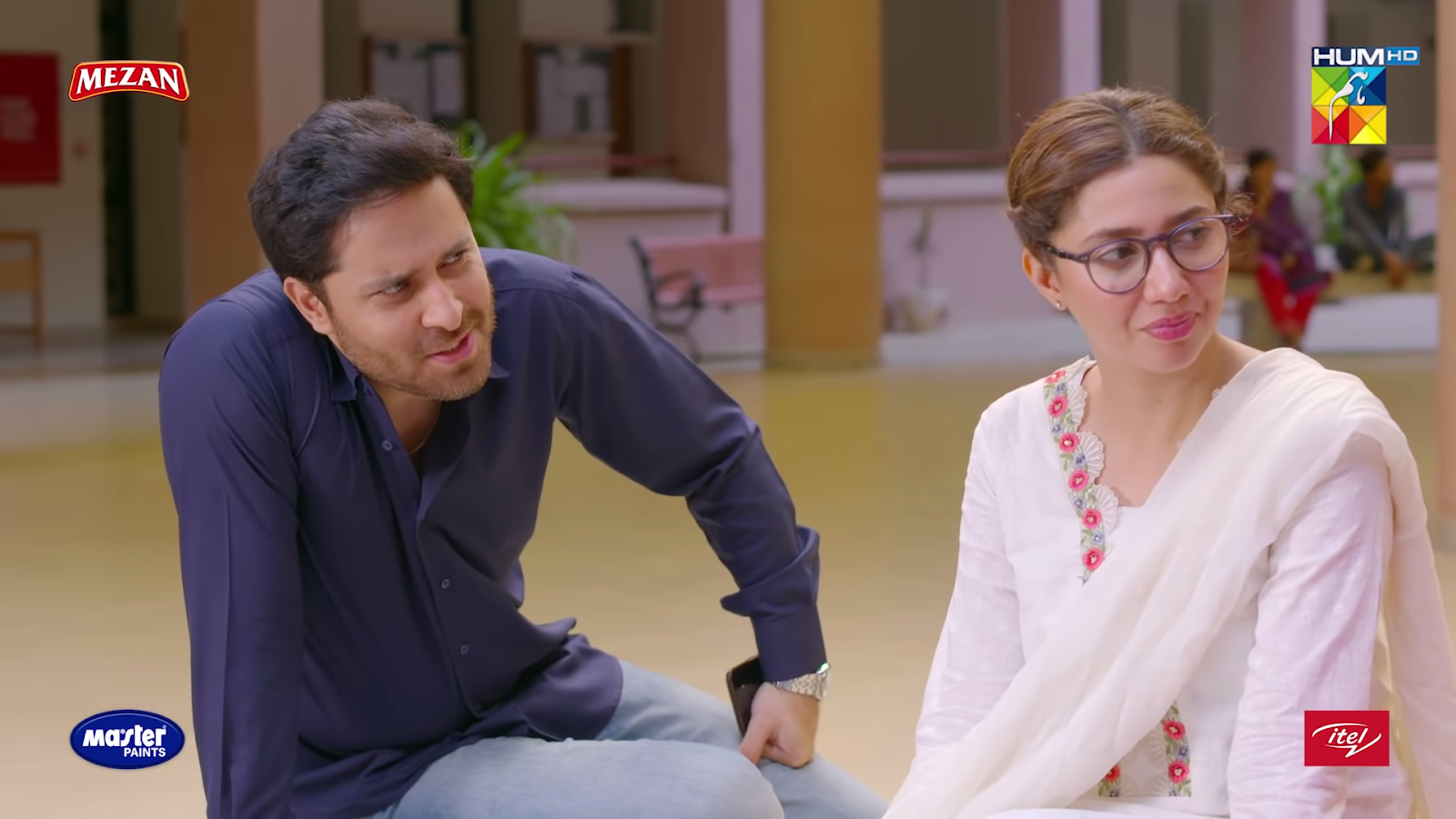
ii – The roles of Mehreen and Mashal are too stereotypical for their own good. They lack depth in their characterization and the performances end up being very superficial. Mehreen is a nerdy, introvert so she HAS to wear glasses and act awkward while Mashal is self confident but devious so she HAS to act mean and self serving. Perhaps on paper, this all sounds fine but the characterization and the performances lack maturity as they don’t feel like real people but rather cardboard cutouts of their dictated personalities.
iii – Usman Mukhtar as Aswad Ayub also has not been very impressive up till now. The charisma of a lead actor seems to be missing in his performance and baffles me why the two women would be in love with him. Usman Mukhtar was a miscast for this role as his characterization does not fit to his presence on screen. Someone like Ali Rehman Khan (with natural charisma) would have fit the bill better.
iv – It is perhaps too early to predict but two episodes in, the show does not seem engaging enough to gather a large viewership in the following weeks. The plot and characters don’t seem original or captivating enough for many to tune in every week. I suppose fans of Mahira Khan would be eager to give this show a chance but up till now, it lacks the “it” factor which separates the show from the rest on television at the moment.
v – The overall visual presentation of the show seems very farcical with its “TV Advertisement” over-lit scenes. The images do not fit at all to the tone of the storyline.
+ Overall
Episode 2 has sadly been a disappointment. Hum Kahan Ke Sachay Thay needs to move away from the cliches of a cousin “love triangle” and find its own path. And Umera Ahmed is one of those writers who could potentially make this possible.
A review on Pakistani drama TV series, Laapata Episode 3 & 4 (2021). The new TV series is written and directed by Khizer Idrees. Laapata is a Momina Duraid Production and currently airs on HUM TV.
(Note: If you’ve already read the review of the previous episode, you can skip directly ahead to the High points section).
+ Crew
Directed by Khizer Idrees
Written by Khizer Idrees
Produced by Momina Duraid Productions
+ Note
Laapata is a comedy/ drama which focuses on young love who aspire to fulfill all their wishes in Life. The drama also highlights modern obsessions with social media such as Tik Tok and its impact on the Pakistani youth of today.
The writer/ director of the show, Khizer Idrees is most well renowned in the TV industry for his work as a Cinematographer for films such as Manto (2015) and Verna (2017).
+ Main Cast
Ali Rehman Khan as Shams
Ayeza Khan as Geeti
Gohar Rasheed as Daniyal
Sarah Khan as Falak
+ Plot
Shams (Ali Rehman Khan) loves Falak (Sarah Khan) and they predict something big for their future. On the other hand, Geeti (Ayeza Khan), the big Tik Tok star, is always looking for a new toy to play with. After being faced to decide upon her secure future, Geeti might have her eyes now set on someone… and that someone could perhaps be Shams?
+ High Points
i – Episodes 3 and 4 were an entertaining watch. The structure of the narrative was on point, there was a good sense of pacing between the dramatic scenes and the quieter/ lighter moments of the show. Most of the characters are likeable to watch on screen. Even flawed characters like Shams (Ali Rehman Khan) have loads of charisma whenever he is in front of the camera. If you liked the first two episodes, you can’t go wrong with this week.
ii – Ali Rehman Khan and Sarah Khan are a natural pairing together. The banter, romantic moments between the two seem very genuine and credit should go to the writing of the show by Khizer Idrees. Even though the writing in the first two episodes was clunky, episodes 3 and 4 are a much needed improvement in balancing romance and drama. There are still some issues regarding the “comedy” aspect of the show but we’ll get to that in the Low Points section.
iii – The dramatic gambling scenes are such a treat to watch. They are not only visually impressive but its a perfect blend of slow motion mixed with tense music and atmosphere. The production crew has done an outstanding job in creating such dark visual undertones.
iv – The Police Inspector character (played by Saife Hasan) is an interesting adversary to the show. Cocky, brutal and unforgiving, he’s naturally someone who you would love to hate and root for him to get his comeuppins at the end.
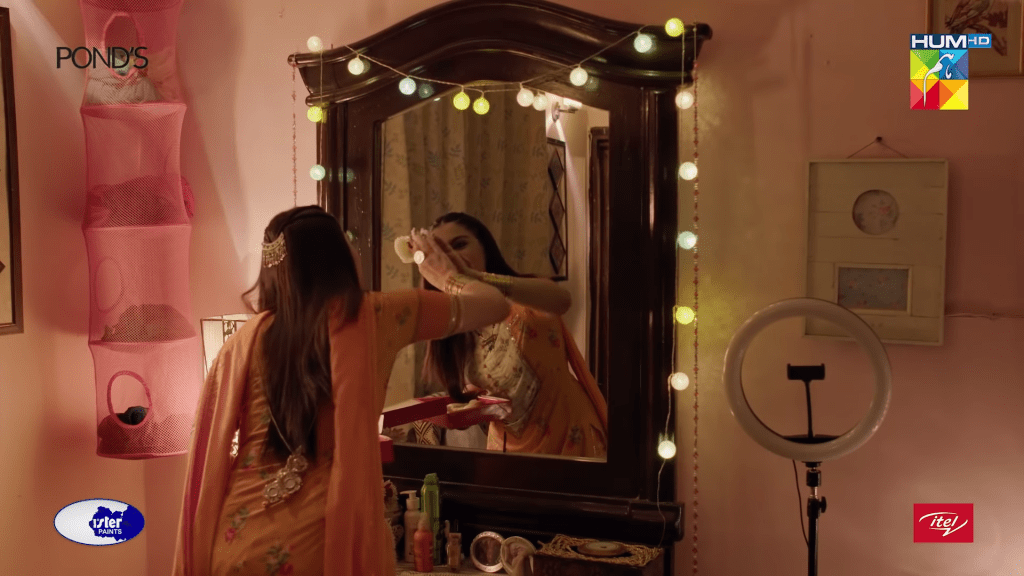
v – In Episode 3,the montage sequence between Shams gamlbing, Geeti putting her makeup on and Falak practicing her Batminton skills was by far the highlight of the show. Such scenes are essential to storytelling because they explain the current situation to the audience purely through visuals. The emotions of each of the characters (at that moment in time) is depicted with such clarity that you don’t need dialogues or exposition for the audience to understand what is currently happening in the show.
+ Low Points
i – I think the biggest drawback of Laapata has to be Geeti (played by Ayeza Khan). Her over the top performance and “comedy” does not fit the show. In one scene, she is acting like a deranged psychopath, talking to herself in the mirror and in the next, she is being “cute” and flirty with Shams. Either she has a split personality disorder or she can’t control her mood swings. Depicting such mental disorders is nothing wrong per se but it does not fit the lighthearted drama vibe of the show. Her character needs to be much more grounded and less erratic in order to play a vital role in the show. Whenever she is acting like a psychopath in front of a mirror, immediately followed by a “comedic” romantic scene, subconsciously you know that one thing does not fit the other.
ii – Laapata is trying hard to be the complete package of romance, drama and comedy. And for the most part, it does not work. Some light hearted comedy between the two families is perfectly fine but scenes like the Witch Doctor and the Wedding band are so out of place to the vibe of the show. Laapata is not a screwball comedy and it should not set itself to be one. I hope there’s less of such scenes in the upcoming episodes.
iii – I realize this is now commonplace in Pak TV shows but there are way too many egregious blurring in pretty much every outdoor scene and its kind of ridiculous at this point. It’s obvious that none of it is paid sponsoring but it visually looks distracting and tacky. Perhaps shoot it such a way that the products don’t overwhelm the background? I think there can be different ways to avoid this.
Awful amount of blurring in a single shot!
+ Overall
Episode 3 and 4 have brought in quite an improvement. Although the show still needs to balance between its comedy and drama scenes, Laapata is definitely worth a watch.
A review on Pakistani drama TV series, Ishq Hai – Episode 15 to 18(2021). The new TV series is directed by Aabis Raza and written by Rehana Aftab. Ishq Hai is an ARY Digital Production.
(Note: If you’ve already read the review of the previous episode, you can skip directly ahead to the High points section).
+ Crew
Directed by Aabis Raza
Written by Rehana Aftab
DOP by Waqas Ali
OST composed by Rahat Fateh Ali Khan
Editing by Zeeshan Ali Jokhio
Produced by Fahad Mustafa & Dr. Ali Kazmi
+ Note
Ishq Hai is a tale of two lovers, a Shakespearean tragedy set in South Asia where the conflict between tradition and individual freedom comes into play. An age long question within our Pakistani culture; should the tradition of arranged marriage be questioned? How important is the right to choose your own life partner? The drama has a star studded cast of young and veteran actors and is an exclusive ARY Digital Production.
+ Main Cast
Minal Khan as Isra
Danish Taimoor as Shahzaib
Hammad Farooqi as Hammad
Babar Ali as Isra’s father
Hammad Shoaib as Haris
Saba Faisal as Nafisa
Mahi Baloch as Sameera
Sajjad Paul as Raza
Mahenur Haider as Nimra
+ Plot
Isra and Shahzaib are the young lovers in conflict with their respective families. Their parents have already found a spouse for them. Arranged marriage has been a family tradition but against all odds, Isra and Shahzaib want to fight for their love. Will their pure love be able to conquer all?
+ High Points
i – With these back to back episodes, the story progressed at a brisk pace (even though there were once again way too many dramatic pauses where the character just contemplates with loud music). Certain events happen which will change the upcoming episodes exponentially.
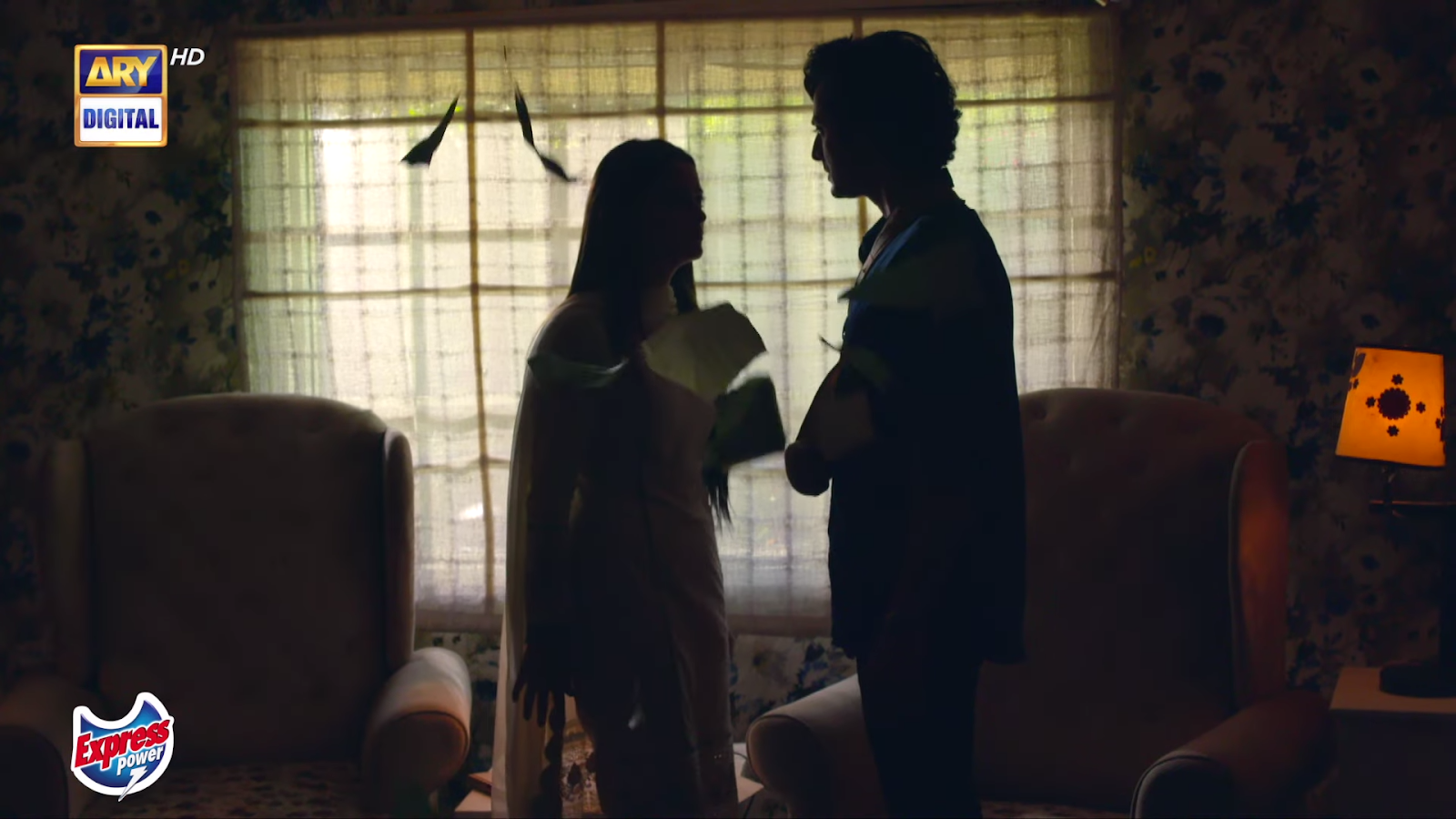
ii – I like this shot. No further comment.
+ Low Points
i – Oh boy! Four back to back episodes of Ishq Hai? Is it my birthday?
But seriously, this was a real pain to sit through. There is only so much dramatic overtones and ridiculous melodrama that I can take in a week. Even though the story has progressed with regular pace throughout the four episodes this week, all the characters are still incredibly unlikable to the core. There is no one the audience could root for. Everyone is unlikable in their own way. Unfortunately this show is at no point of return. This all has to be endured till the end of this series. And I am definitely looking forward to that.
ii – Too many flashbacks of events that happened just in the previous scene! Does the show think our memory equals that of a goldfish? What I really dislike about this show is that it treats its audience like idiots who can’t think or react for themselves. We need to be spoonfed how to feel through repetition of dialogues, scenes and overbearing dramatic music.
iii – The show is trying its hardest to make Shahzaib sympathetic again for the audience. He is even willing to divorce Isra for it. Sorry but nothing can wash off the actions he took that night when he kidnapped her and forced marriage upon her. There’s no coming back from that. But with these four episodes, I’ve a lot more to say in the spoiler section down under so please, keep reading!
iv – And yes, Nirma is still (by far) the worst character in the show. Frankly, I feel embarrassed for Mahenur Haider to play this role as her emotion is strictly stuck on “rudimentary annoyance”. She does nothing in the show other than whine, sulk and have anger outburst. She is treated like garbage by Shahzaib in the show and it’s just a clear indication that she has no character of her own. Awful, awful writing!
(Spoiler Alert!!! If you would like to avoid it, please skip to the Overall section below:)
v – So apparently, admitting to your mistake (no matter terrible the crime was) is acceptable in the world of Ishq Hai. Isra (in such dramatic fashion) rips up the legal documents of Divorce, indicating that she has forgiven him and wants to be with Shahzaib. What a terrible lesson this show is presenting to its younger viewers. Hey kids! No matter what the crime, if it is labelled under the power of “Love” then it is ultimately justified. It is shameful how shows like these present mutual consent, how a man should treat a woman. What a travesty this show is.
vi – It takes some incredible talent for the show to have so much happening but still remain unoriginal throughout its 18 episodes so far. Ishq Hai pertains to the worst of what TV dramas are known for. There is not a single ounce of originality in its writing, everything seems to be working on auto-pilot. Granted, HUM TV dramas are nowhere near perfect but at least they have decent characterizations and once in a while, you end up getting shows like Parizaad but as a viewer, this show is just insulting to the core.
+ Overall
Ishq Hai is not worth your time. Please spend it instead with your loved ones, read a book, educate yourself. But don’t watch this travesty and waste your precious time on this planet.
A review on Pakistani drama TV series, Parizaad Episode 3 (2021). The new TV series is directed by Shehzad Kashmiri and written by Hashim Nadeem. Parizaad is a Momina Duraid Production.
(Note: If you’ve already read the review of the previous episode, you can skip directly ahead to the High points section).
+ Crew
Directed by Shehzad Kashmiri
Written by Hashim Nadeem
Produced by Momina Duraid Productions
+ Note
Parizaad is based on a novel by Hashim Nadeem and is a case study of a protagonist who cannot seem to find his place in a world where illicit behaviour and exploitation is rewarded over truth and kindness. The showexplores the lower middle class societal problems of Pakistan and how a wallflower like Parizaad is never appreciated by our society.
The director of the show Shehzad Kashmiri is a well respected cinematographer who then moved towards directing TV shows. He also directed a feature length film Bin Roye in 2015 which earned him a nomination for Best Film Director at 15th Lux Style Awards.
+ Main Cast
Noman Ejaz
Ahmed Ali Akbar
Syed Muhammad Ahmed
Urwa Hussain
Ushna Shah
Yumna Zaidi
Saboor Ali
Mashal Khan
Tipu Shah
Kiran Tabeer
+ Plot
Born in a world of neglect and hurt, Parizaad is an innocent soul that differs from everyone. He is kind, thoughtful and a gentle soul who due to his nature and appearance, does not fit the societal norms of Pakistani culture. Will the devious modern society engulf Parizaad into its darkness or will he remain a beacon of hope and all that is good in Life?
+ High Points
i – Episode 3 starts off perfectly by introducing a whole new character by the name of Nasaaz. He is cynical, brutally honest about Life but yet in some way, a path of salvation for Parizaad. Since the first two episodes, our protagonist is troubled, abused and taken advantage of by the very people who pretend to care for him. Nasaaz on the other hand, sees the untapped potential in Parizaad, someone who understands him and wants to keep pushing Parizaad overcoming his fears from this dreadful society. This is some fascinating characterization by Hashim Nadeem which made the episode all the more entertaining to watch.
ii – The speech that the character Nasaaz gives to Parizaad on ending one’s Life was brilliant. While there was some dark humor in between the lines, Nasaaz understands the value of living. Suicide is a permanant solution to a temporary problem. Bad moments eventually pass, leading to inevitable greener pastures. It is a very mature and thoughtful look into such a serious subject matter.
iii – The relationship between Parizaad and his sister is truly heartbreaking. It is obvious that the sister perhaps sees Parizaad as her child and unfortunately, would not be there to protect him from the evils of society anymore. But with the introduction of Nasaaz, Parizaad will undoubtedly learn how to fend off for himself. I’m particularly very fond of how the writer displays the interchangeable roles of the guardians for our main protagonist.
iv– In the world of Parizaad, the immoral are rewarded and the pure are outcasted for being different. It’s a true reflection towards the world we live in. The mischievous hidden nature of Ahmed Taha Ghani as Majid is loved all over the neighborhood while the shy, awkwardness of Parizaad is looked down upon. The intercut scene between the two Nikahs/ Marriages was another example of mirroring the holy and the unholy matrimony through the technique of editing.
Dramas work best when the light and the shadow converge into one another, creating an abundance of possibilities in storytelling. Parizaad is essentially a character study which separates it from the rest of the shows on Pak TV right now. I’m truly excited how the story will develop in the next coming episodes.
v – I’m also very fond of how this drama is shot. The light is used in abundance to compliment the moving pictures of despair and hardship of Parizaad. The day scenes bring a sense of wonderment to the show while street lights illuminating the empty dark streets provide an intriguing contrast of agony and longing for a better future.
vi – Later in the episode, a new supporting character is introduced and I’m very pleasantly surprised that he was not reduced to yet another “villain of the week”. Parizaad moves away from the cliches of Pak dramas and it’s admittedly very refreshing to watch!
vii – The episode ends on a very interesting note. Perhaps it is now time for Parizaad to evaluate his life’s goals and ambitions and in the process, emerge with a new personality.
+ Low Points
i – This is certainly just a tiny nitpick but a little less use of melodramatic music would benefit the show even more. The writing might be subtle but it is clever enough to clue in the viewers how to emotionally respond without the aid of long stretches of music.
+ Overall
With brilliant writing, acting and direction, Parizaad is unlike any other show out there. Highly recommended!





 out of 5 stars
 out of 5 stars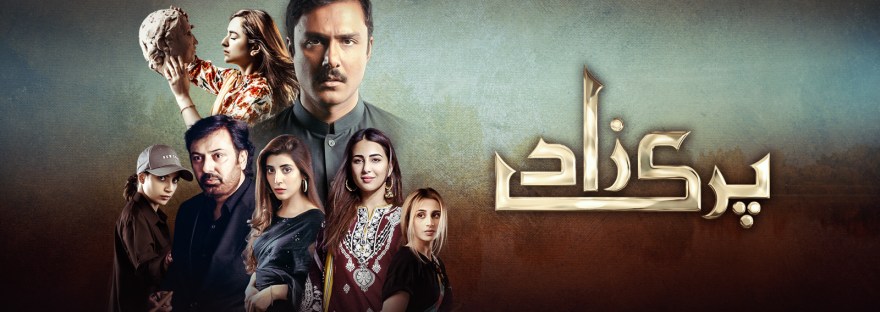
 out of 5 stars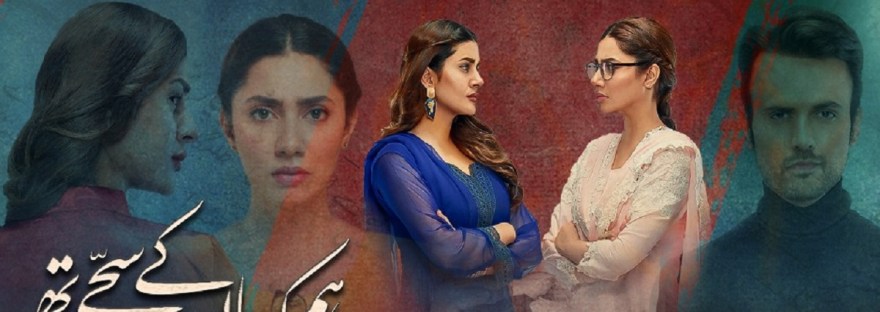

 out of 5 stars
 out of 5 stars
 out of 5 stars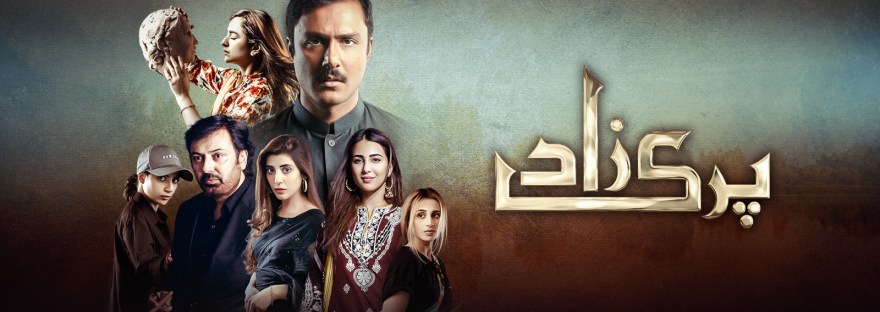
 out of 5 stars
  Mr. Khan's Reviews